
What Is the Minimum Safe Clearance in Front of an Electric Baseboard Heater?
Determining the minimum safe clearance in front of an electric baseboard heater is essential for preventing accidental fires and ensuring the longevity of your heating system. Homeowners often struggle to balance interior design with these critical safety requirements, yet understanding the mechanics of how these units function makes the rules much clearer.
By maintaining proper space, you allow air to circulate effectively, which keeps the unit from overheating and prevents damage to nearby household items. This article provides the specific distances and safety protocols you need to follow to keep your home comfortable and secure throughout the winter months.
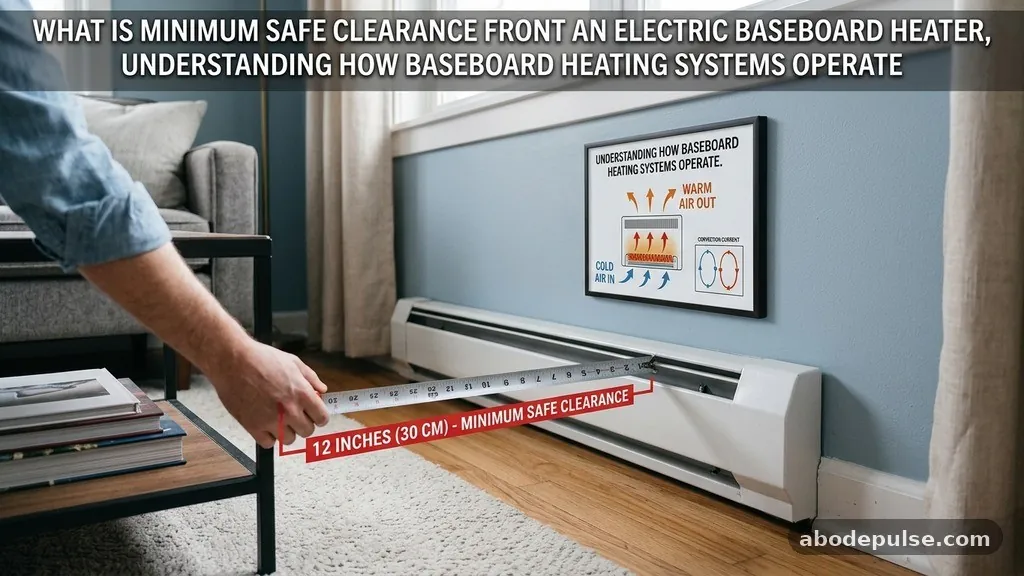
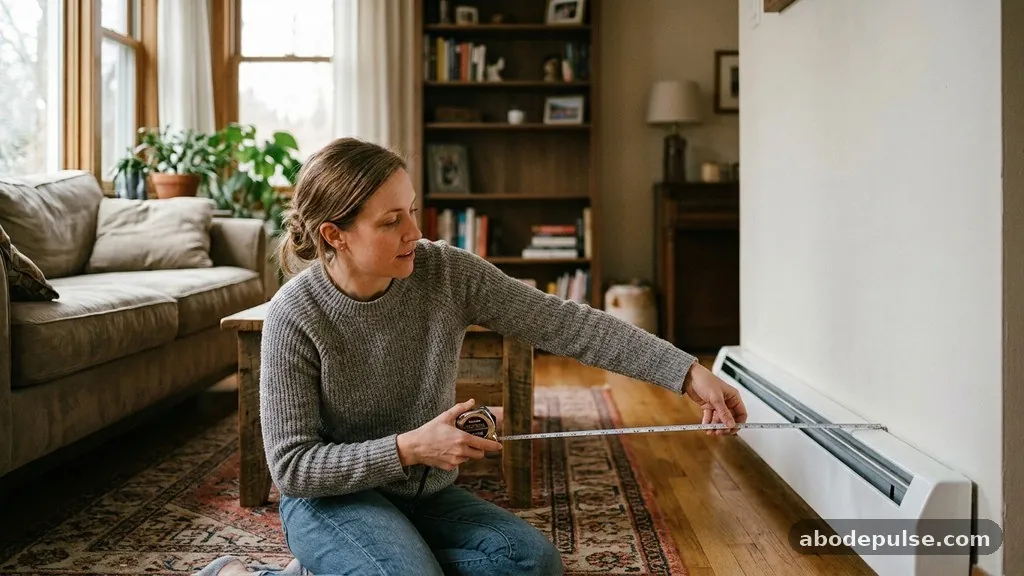
The standard recommendation for the minimum safe clearance in front of an electric baseboard heater is 12 inches. While some manufacturers might suggest a slightly smaller gap, maintaining a full foot of space is the safest practice for most residential settings.
This distance ensures that combustible materials like furniture, curtains, or bedding do not reach ignition temperatures when the unit cycles on. If you are ever unsure about your specific model, always check the manufacturer’s installation manual for the exact requirements for your unit.
Understanding How Baseboard Heating Systems Operate
Electric baseboard heaters work on the principle of natural convection. Cold air enters the unit near the floor, passes over heating elements, and rises as it warms up. This process creates a continuous cycle of air movement that gradually increases the temperature of the entire room.
Because these units rely on this airflow, any obstruction significantly impacts their efficiency. When you block the front of the unit, the air becomes trapped inside the casing. This leads to a rapid rise in internal temperature, which can trigger safety thermal cutouts or, in extreme cases, melt nearby plastic or fabric.
Proper installation requires that the unit is not covered or obstructed by heavy items. Think of the heater as a breathing organism that needs constant access to room air to function correctly. When you provide the necessary clearance, you allow the heat to distribute evenly rather than concentrating it in a single, dangerous spot near the wall.
Why Furniture Placement Matters for Safety
Furniture is the most common culprit when it comes to blocking heaters in a living room or bedroom. Sofas, armchairs, and bookshelves are often placed against walls, making it tempting to push them right up against the baseboard units. This is a significant fire hazard that must be avoided.
When you place a couch directly in front of a heater, the fabric absorbs the intense heat produced by the metal casing. Even if the fabric does not ignite immediately, the prolonged exposure can cause the material to dry out, discolor, or become brittle. Over time, this constant heat stress creates a genuine risk of smoldering.
To maintain a safe home, rearrange your layout to prioritize the heater’s needs over pure aesthetics. If you must have furniture near the wall, try to use pieces with legs that provide at least a few inches of space underneath for airflow. However, even with elevated furniture, the 12-inch rule from the front of the heater remains the gold standard for safety.
Managing Curtains and Window Treatments
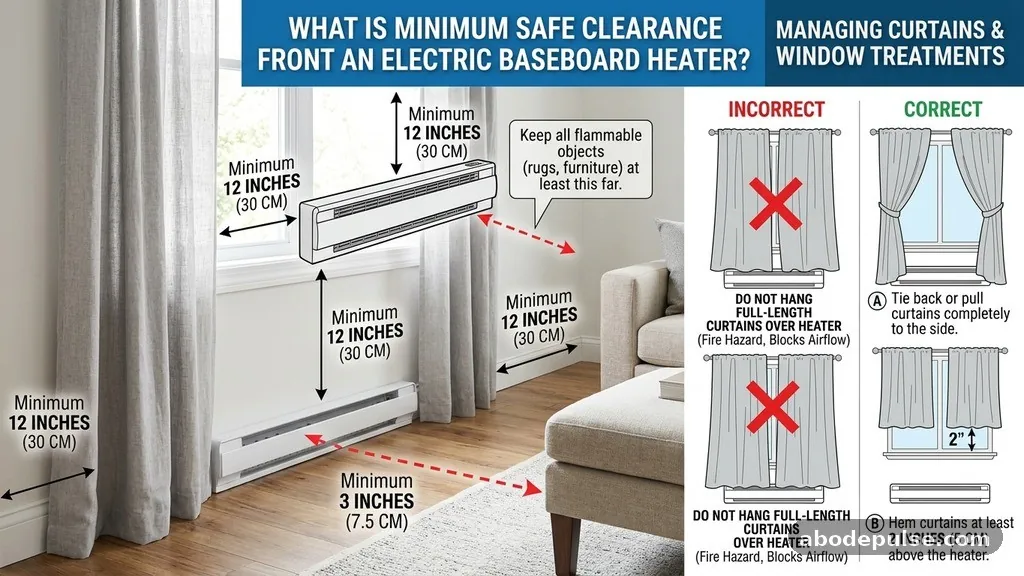
Windows are the most common locations for baseboard units because they offset the cold air leaking through the glass. Unfortunately, this places them in direct proximity to long, flowing curtains or floor-length drapes. These fabrics are highly flammable and represent one of the most dangerous risks in a home.
If your curtains hang directly over the heater, they can be pulled inward by the draft created by the convection process. Once they touch the hot metal, the risk of ignition is high. You should always ensure that curtains are hemmed so they sit well above the top of the heater.
If you prefer long curtains, consider installing them on rods that extend far enough from the wall to keep the fabric away from the heat zone. Alternatively, use blinds or shades that do not reach down to the floor. Keeping the area above and in front of the unit clear is just as important as keeping the space in front of it empty.
The Role of Airflow and Efficiency
Efficient heating depends entirely on the unobstructed flow of air. When you maintain the recommended clearance, you ensure that the unit operates at its peak efficiency. A heater that is blocked by a box, a pile of clothes, or a toy will have to work much harder to warm the room.
This extra strain often leads to higher electricity bills because the thermostat will not reach the target temperature as quickly. The unit will cycle on and off more frequently, causing unnecessary wear and tear on the electrical components. By giving the heater room to breathe, you save money and extend the lifespan of the equipment.
Think of the heater as an engine. Just as a car needs air to run, your baseboard unit needs a steady supply of room-temperature air.
When the air is restricted, the internal temperature rises, potentially causing the safety limit switches to trip. This shuts the unit down unexpectedly, leaving you in the cold until the system cools off.
Specific Risks of Pet and Child Items
Homes with children and pets often face unique challenges regarding heater safety. Toys, blankets, and pet beds are frequently left on the floor, often ending up right against the wall. These items are typically made of materials that are highly susceptible to heat damage or fire.
Children may not understand the danger of placing a plastic toy or a stuffed animal on a heater. Parents must be vigilant about keeping the area around the baseboard clear at all times. Educating children about why certain areas are “no-go zones” is a vital part of home fire prevention.
Pet beds are another common concern, especially since pets love the warmth provided by these units. Ensure that any pet bedding is placed at least 12 inches away from the unit. Never allow a pet to sleep directly against the heater, as the heat can be intense enough to cause burns or ignite the bedding material.
Recommended Clearances for Different Materials
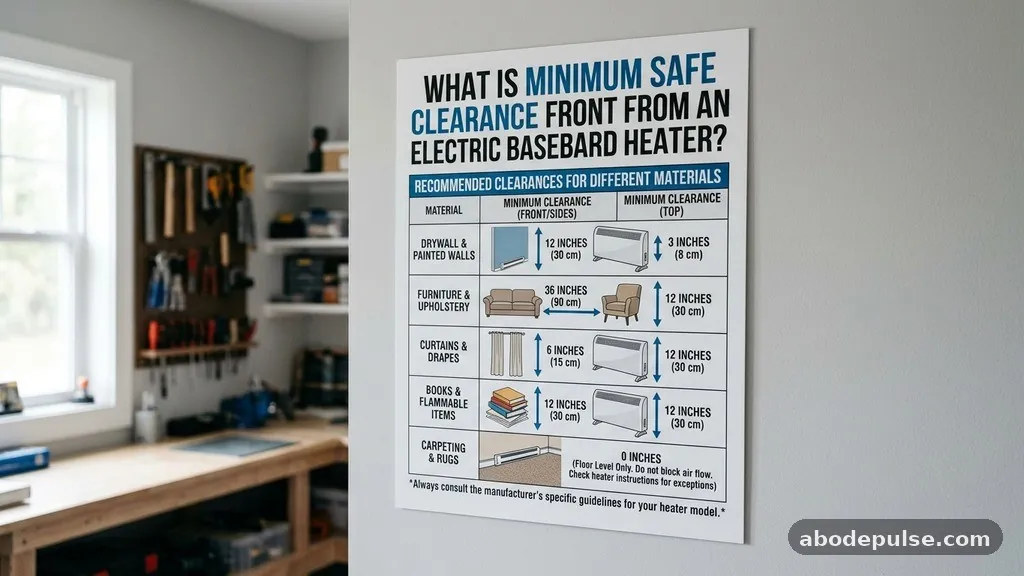
Not all materials react to heat in the same way. While a metal chair might be less flammable than a cotton sofa, it can still conduct heat and become a hazard. The following table provides a general guide for maintaining safety around your heating units.
| Item Type | Recommended Clearance | Risk Level |
|---|---|---|
| Furniture (Sofas/Chairs) | 12 Inches | High |
| Curtains/Drapes | 12 Inches (Horizontal/Vertical) | Extreme |
| Pet Beds | 12-18 Inches | High |
| Books/Paper/Clutter | 24 Inches | Very High |
Cleaning and Maintenance Protocols
Dust and debris buildup inside the heater can become a fire hazard, even if you keep the area in front of it clear. Over the summer months, dust accumulates inside the metal fins. When you turn the heat on for the first time in autumn, that dust can smolder and create an unpleasant smell or smoke.
You should vacuum the interior of your baseboard units at least once a year, preferably before the winter season begins. Use a vacuum attachment to reach between the fins and remove any hair, pet dander, or lint. This simple maintenance step significantly improves air quality and reduces the fire risk.
Always ensure the power is turned off at the circuit breaker before cleaning the interior of the unit. Never use water or liquid cleaners on the heating elements. A dry, soft brush or a vacuum nozzle is the only equipment you need to keep the system running safely and efficiently.
Common Indicators of Overheating
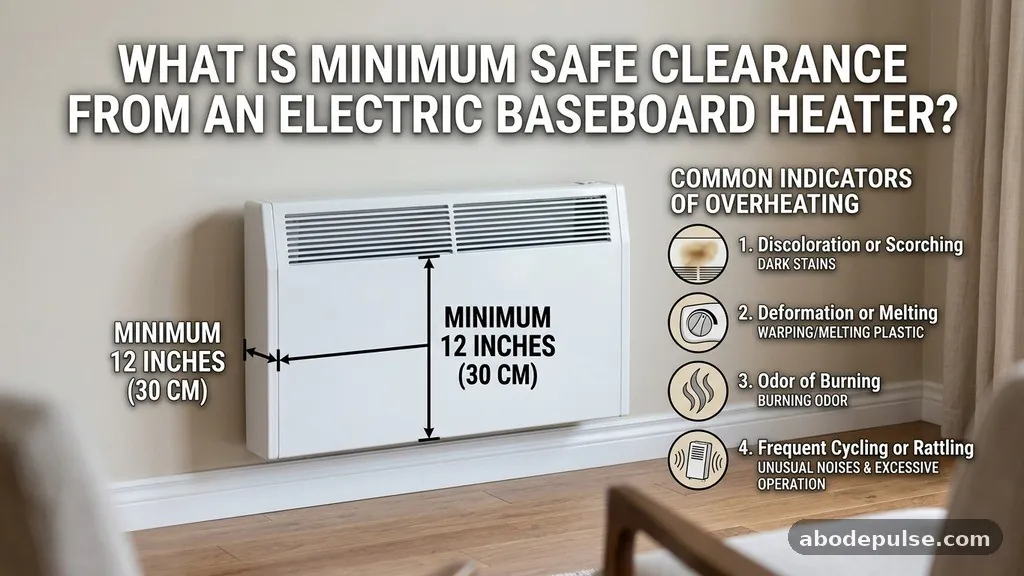
Recognizing the signs of an overheating heater can save your home from a potential fire. If you notice a burning smell, it is a clear indication that dust or an object is too close to the heating element. You should turn off the unit immediately and investigate the area.
Another sign is if the paint on the wall above or behind the heater begins to peel or turn brown. This is a sign of consistent, excessive heat exposure. If you see this, you must move any nearby furniture or items further away to prevent long-term damage to your walls and home structure.
If the unit makes loud clicking or popping noises frequently, it may be struggling to maintain airflow. While some expansion sounds are normal, constant noise can indicate that the thermal safety switch is cycling. If you notice this, check for obstructions immediately and clear the space around the unit.
Best Practices for New Installations
When you are planning to install or replace baseboard heaters, consider the room layout carefully before finalizing the location. Avoid placing units in areas where furniture placement is likely to change. A corner of a room that is currently empty might eventually become a reading nook with a bookshelf.
Ensure that the electrical work is performed by a professional who understands local building codes. Properly installed units should have the correct gauge of wire and be connected to the right circuit breaker. A faulty installation is just as dangerous as an obstructed heater.
Think about the placement of electrical outlets near your heaters. Avoid running power cords across the top or in front of the baseboard.
The heat can melt the insulation on the cord, leading to a short circuit or an electrical fire. Always plan your furniture and electronics with the heater’s footprint in mind.
Frequently Asked Questions
Can I hang pictures on the wall above an electric baseboard heater?
It is generally not recommended to hang pictures directly above a heater. The rising heat can damage the frame, the backing, or the artwork itself. If you must, ensure there is at least 18 to 24 inches of vertical clearance between the top of the heater and the bottom of the frame.
Is it safe to leave a heater on while I sleep?
Yes, modern electric baseboard heaters are designed to be left on, provided they are not covered and are kept clean. However, ensure that no bedding or blankets are hanging down near the unit. If you are concerned, you can lower the thermostat setting to a safer level during the night.
What should I do if my heater smells like it is burning?
First, turn off the thermostat and the circuit breaker for that unit. Check for any objects, dust, or hair that might have fallen into the unit. If the smell persists after cleaning and the unit has cooled, contact a professional electrician to inspect the wiring for potential faults.
Are there any fire-resistant covers available for baseboard heaters?
There are decorative covers on the market that claim to improve the appearance of old heaters. Be extremely cautious, as many of these are not safety-rated and can actually restrict airflow more than the original metal casing. Always verify that any cover is certified for use with your specific make and model.
How do I know if my heater is the right size for my room?
A professional heating contractor can calculate the necessary wattage based on the square footage and insulation levels of your room. An undersized unit will run constantly, which increases the risk of overheating and fire. You can learn more about home energy efficiency through resources like the U.S. Department of Energy guidelines on heating systems.
Maintaining a Secure Environment
The importance of maintaining the minimum safe clearance in front of an electric baseboard heater cannot be overstated. By keeping a 12-inch buffer zone free of furniture, curtains, and clutter, you protect your household from the dangers of fire and overheating. This simple habit ensures that your home stays warm and efficient throughout the coldest months of the year.
Regular maintenance and mindful furniture placement are the best ways to ensure your heating system remains a safe, reliable asset. Check your units periodically for dust buildup and be aware of any signs of heat damage on nearby walls or fabrics.
By staying proactive, you can enjoy a comfortable living space without compromising on safety. If you ever feel that your heating setup is not meeting these basic requirements, take the time to reorganize your space today to keep your home secure.