The 12-Inch Rule: How Far Away Must Sofas and Beds Sit from Baseboard Heat?
Managing the spacing between your furniture and heating units is a critical aspect of home maintenance that often goes overlooked until a safety issue arises. Many homeowners wonder about the 12-inch rule and whether it applies to their specific living situation when arranging a bedroom or a cozy living room.
Understanding how to properly position your sofa or bed in relation to baseboard heaters ensures that you maintain efficient airflow while keeping your household safe. This article provides the necessary clarity on clearance requirements, helping you balance interior design goals with essential fire safety standards for your home.
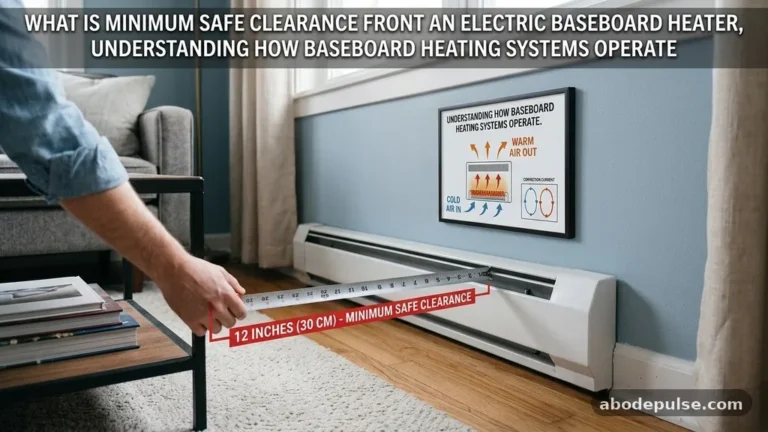
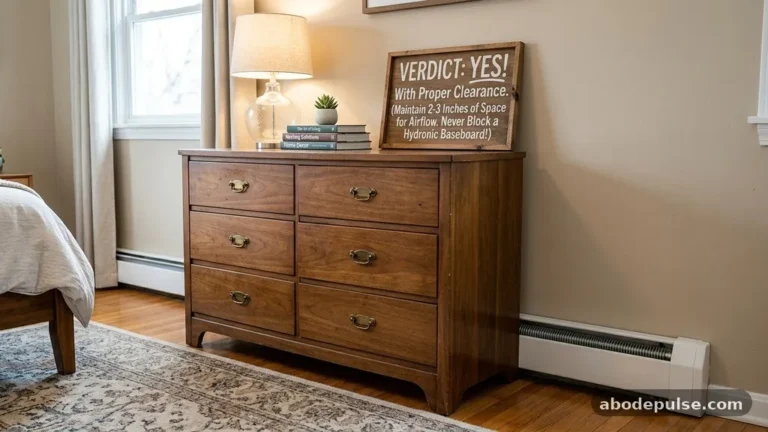
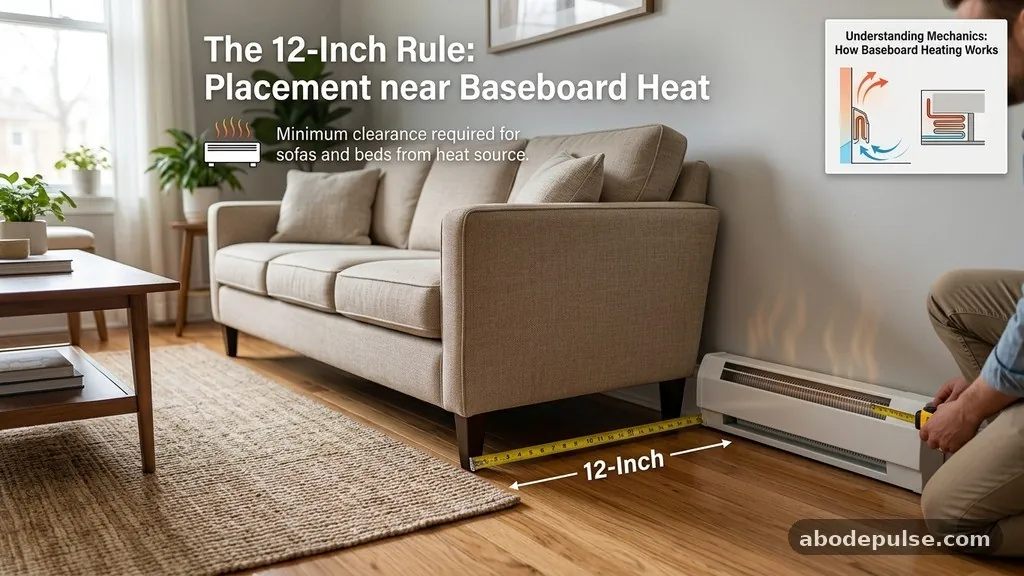
The 12-inch rule serves as a practical, conservative guideline for maintaining a safe distance between furniture and baseboard heaters. While some modern, low-temperature hydronic units may allow for slightly closer placement, keeping a clearance of at least one foot is the industry-standard recommendation for maximum safety. This gap allows the heated air to circulate freely throughout the room rather than becoming trapped behind a sofa or bed.
When you block this airflow, you risk overheating the unit and potentially damaging the surrounding furniture or upholstery. By adhering to this distance, you create a buffer zone that prevents direct heat transfer and minimizes the risk of fire hazards.
Understanding the Mechanics of Baseboard Heating
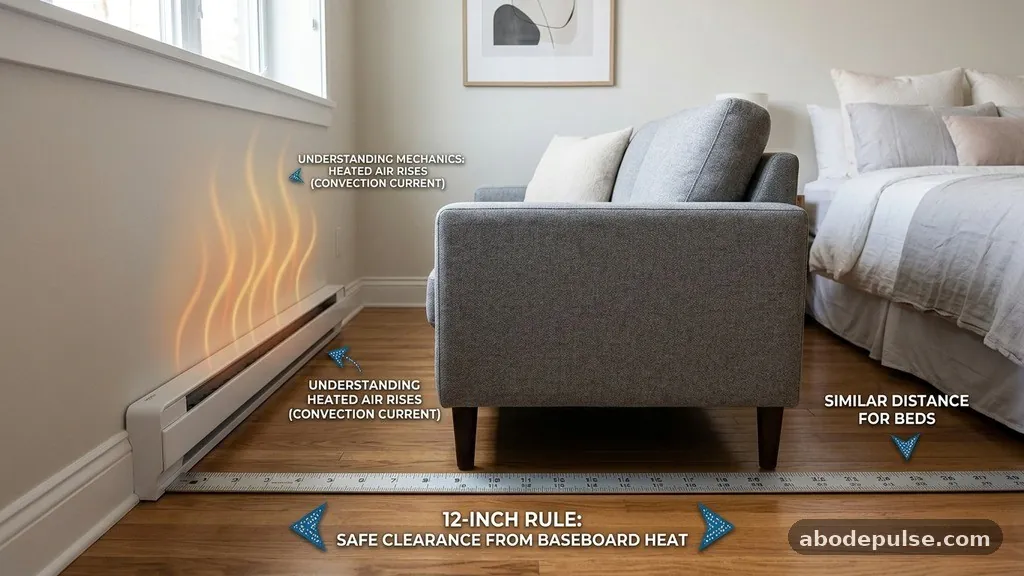
Baseboard heaters function by drawing cool air in from the floor, heating it as it passes over a finned element, and releasing it back into the room through convection. This process relies entirely on the movement of air to distribute warmth effectively.
If you place a heavy piece of furniture like a sofa directly against the unit, you physically obstruct the intake and output pathways. This blockage forces the heater to work harder to maintain the desired temperature, which can lead to increased energy consumption and premature component failure.
Furthermore, the materials used in your furniture are rarely designed to withstand constant exposure to high temperatures. Synthetic fabrics, wood veneers, and foam cushions can dry out, warp, or even degrade when subjected to prolonged, localized heat.
Even if the heater does not reach a temperature high enough to ignite these materials, the cumulative effect of constant heat exposure often leads to visible damage over time. Maintaining the recommended clearance preserves the longevity of both your heating system and your home furnishings.
Why Airflow Matters for Efficiency
Efficiency in heating is tied directly to how well the system can cycle the air in your room. When a heater is blocked, it can trigger internal safety switches, such as high-limit thermal cutouts, which shut the unit down to prevent overheating. These frequent cycling interruptions mean your room will struggle to reach the temperature set on your National Fire Protection Association electrical safety standards, often leading to a colder living environment.
Think of the heater as a lung for your room; it needs to breathe to function correctly. When you place a bed or a bookshelf in front of a baseboard heater, you are essentially restricting that airflow and causing the system to stifle.
This lack of circulation also creates hot spots immediately around the unit while leaving the rest of the room feeling chilly. By ensuring there is at least a foot of space, you allow the convective currents to do their job properly and distribute heat evenly.
The Risks of Ignoring Clearance Guidelines
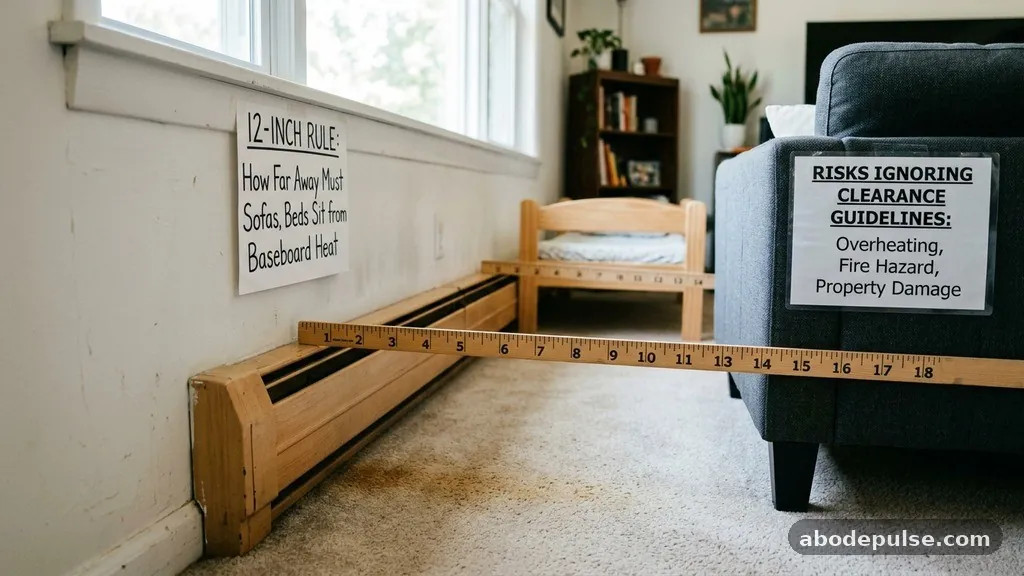
Ignoring the recommended clearance distances introduces unnecessary risks into your home. The most significant danger is the potential for fire, particularly if flammable materials like curtains, blankets, or decorative pillows fall into the gap between the furniture and the heater. These items can trap heat, causing the surface temperature of the heater to climb rapidly until it reaches a critical threshold.
Beyond fire safety, there is the issue of property damage. Over time, the heat emanating from the unit can cause the finish on a wood bed frame to crack or the upholstery on a sofa to become brittle and discolored.
You might also notice a distinct, unpleasant odor when you first turn on the heat, which is often a sign that dust or fabric fibers are being scorched. Preventing these issues is far easier than repairing or replacing damaged furniture.
Specific Considerations for Electric Baseboard Units
Electric baseboard heaters often reach higher surface temperatures than their hydronic or hot water counterparts. Because these units rely on resistance heating coils, they can get extremely hot to the touch very quickly.
This makes the 12-inch rule especially important for electric systems, as the margin for error is much smaller. You should be extra vigilant about ensuring that no cords, rugs, or soft furnishings are anywhere near these units.
It is also worth noting that electric units are often installed under windows to counteract cold drafts. This placement can make it tempting to push a sofa or bed into that corner to save space, but this is exactly where you should avoid placing furniture.
If your floor plan leaves you no other choice, consider using a room divider or a decorative screen that is made of non-combustible material to create a physical barrier. This allows you to maintain the necessary space while still achieving the desired room layout.
Hydronic Systems and Clearance Requirements
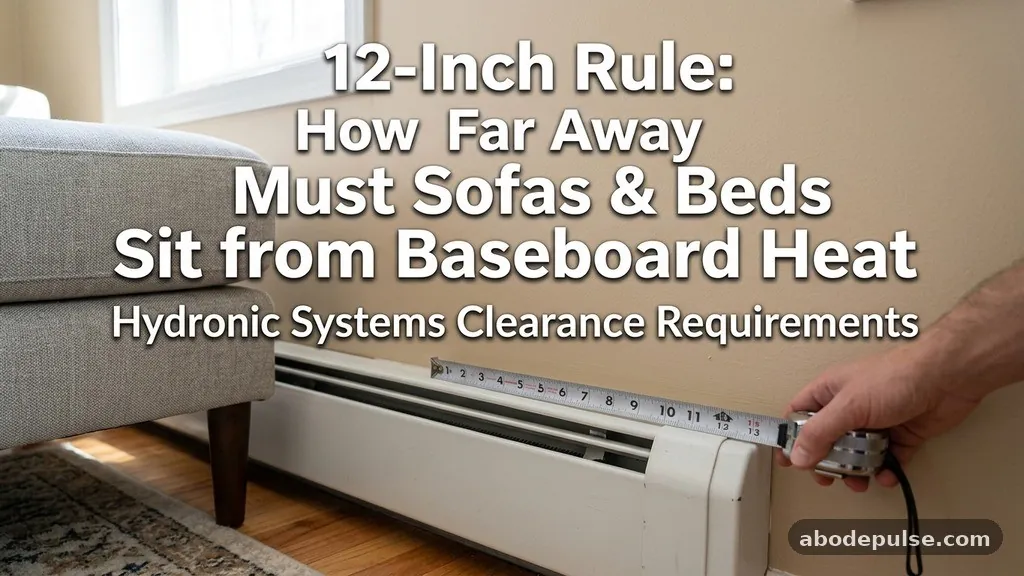
Hydronic baseboard heaters use hot water circulating through pipes to provide heat, which generally results in a more gradual and lower surface temperature compared to electric units. However, they are still heating elements that require space to function. While you might see some manufacturers suggest a slightly smaller clearance for hydronic systems, sticking to the 12-inch rule remains the safest approach for homeowners.
These units are often longer and more continuous than electric heaters, which can make them harder to work around when arranging a room. If you have a long run of hydronic heating, you might feel like you are losing a significant amount of wall space. Instead of placing furniture directly in front of the units, consider using low-profile pieces or floating furniture arrangements that keep the floor clear in front of the baseboards.
Furniture Placement Strategies for Small Rooms
In smaller rooms, every inch of floor space feels valuable, which makes the 12-inch rule feel like a significant constraint. The key to success is thinking vertically and choosing furniture that does not block the baseboard unit. Consider using furniture with legs, such as a sofa raised a few inches off the floor, which can sometimes allow for better airflow if the piece is set back slightly.
However, even with raised furniture, you should never push the piece right up against the heater. If you have a small bedroom, try placing your bed on an interior wall rather than an exterior wall where the heaters are typically located. If you must use the wall with the heater, pull the bed out far enough that the air can easily move behind the headboard and up towards the ceiling.
The Role of Curtains and Window Treatments
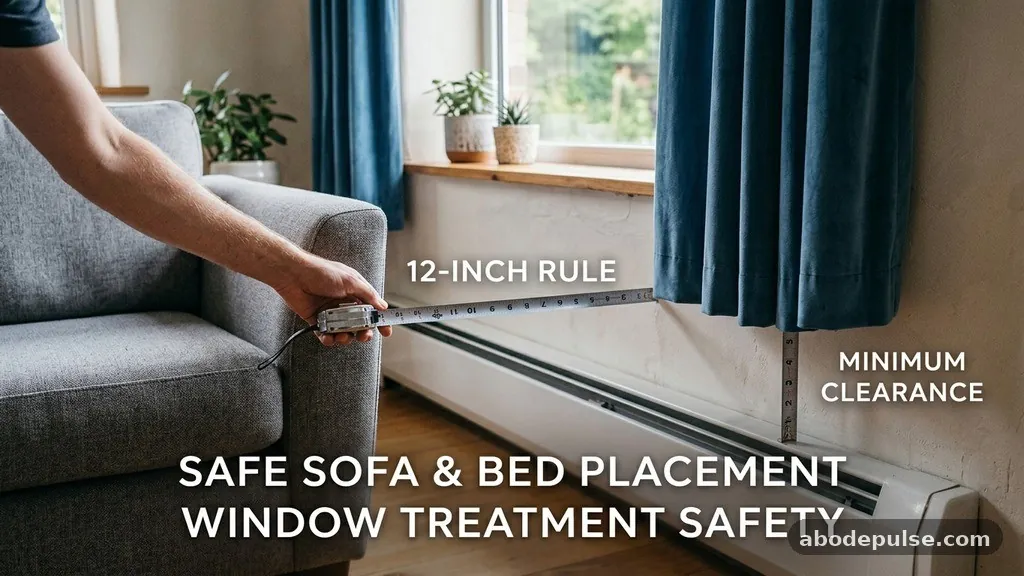
Curtains are a common source of fire hazards when placed too close to baseboard heaters. Long, flowing drapes that pool on the floor are particularly dangerous because they can easily be caught in a draft and blown against the heating element. Always ensure that your window treatments end well above the heater, or use blinds and shades that stay clear of the unit entirely.
If you prefer long curtains for aesthetic reasons, you can install a curtain rod that is wide enough to pull the fabric completely away from the heater area when the heat is in use. Alternatively, opt for shorter, cafe-style curtains that provide privacy without risking contact with the heating equipment. Safety should always take precedence over decorative choices when it comes to potential fire risks in the home.
Comparing Clearance Guidelines
Different heating systems carry different risks, but the goal of maintaining adequate space remains universal. The following table provides a general comparison of clearance needs for different types of home heating setups.
| Heater Type | Recommended Clearance | Safety Priority |
|---|---|---|
| Electric Baseboard | 12-18 Inches | High (High surface temp) |
| Hydronic (Hot Water) | 10-12 Inches | Moderate (Lower surface temp) |
| Wall-Mounted Convection | 12+ Inches | High (Direct airflow path) |
| Radiant Floor Heating | N/A | Low (Integrated system) |
Common Mistakes to Avoid
Many homeowners inadvertently create hazards by placing items other than furniture near their heaters. Common culprits include extension cords, plastic toys, stacks of books, and even pet beds. You should conduct a walkthrough of your home and ensure that the area around every heater is completely clear of any combustible objects.
Another mistake is assuming that a heater is safe just because it feels cool to the touch when it is not running. Baseboard heaters can cycle on at any time, especially if you have a programmable thermostat that adjusts the temperature throughout the day. Always treat the area around the heater as if it could become hot at a moment’s notice.
FAQ: Addressing Common Concerns
Is it safe to put a rug in front of a baseboard heater?
You should generally avoid placing rugs directly in front of or under a baseboard heater. Rugs can block the air intake at the bottom of the unit, and they are often made of synthetic fibers that can melt or catch fire if they get too hot. If you must have a rug in the room, keep it at least a foot away from the heater.
Can I use a furniture spacer to get closer to the heater?
While some spacers exist, they are generally not recommended as a way to “cheat” the safety distance. These devices might protect the furniture from direct contact, but they do not solve the underlying issue of restricted airflow. It is much safer to simply move the furniture back to meet the recommended clearance.
What should I do if my furniture is already damaged by heat?
If you notice signs of heat damage like discoloration, warping, or a burnt smell, move the furniture away immediately. You may need to clean the heater to ensure that no dust or debris has accumulated, which can often be the source of the smell. If the furniture is severely damaged, it is best to remove it from the area to prevent further issues.
Do I need to worry about baseboard heaters in the summer?
Even when the heat is turned off, it is good practice to keep the area clear. This helps prevent dust buildup inside the unit, which can cause a smoky odor when you turn the system on for the first time in the fall. Keeping the area clean also makes it easier to keep your home organized and free of fire hazards year-round.
Conclusion
Adhering to the 12-inch rule is a simple yet vital step in maintaining a safe and efficient home. By ensuring that your sofas, beds, and other furnishings remain at a respectful distance from your heating units, you protect your property from heat damage and your household from potential fire hazards. Always prioritize clear, unobstructed airflow to keep your heating system running at its best throughout the colder months.
Take a few minutes today to check the layout of your furniture and make any necessary adjustments. If you find that your current room configuration makes it difficult to maintain this distance, consider rearranging your space to prioritize safety.
Your home should be a place of comfort, and keeping your heating systems clear is a fundamental part of creating that secure environment. If you have concerns about specific units in your home, consult the manufacturer’s manual or speak with a local heating professional for tailored advice.