Why Do Baseboard Heaters Make Loud Ticking and Ping Noises When Heating Up?
Stop Baseboard Heater Noises
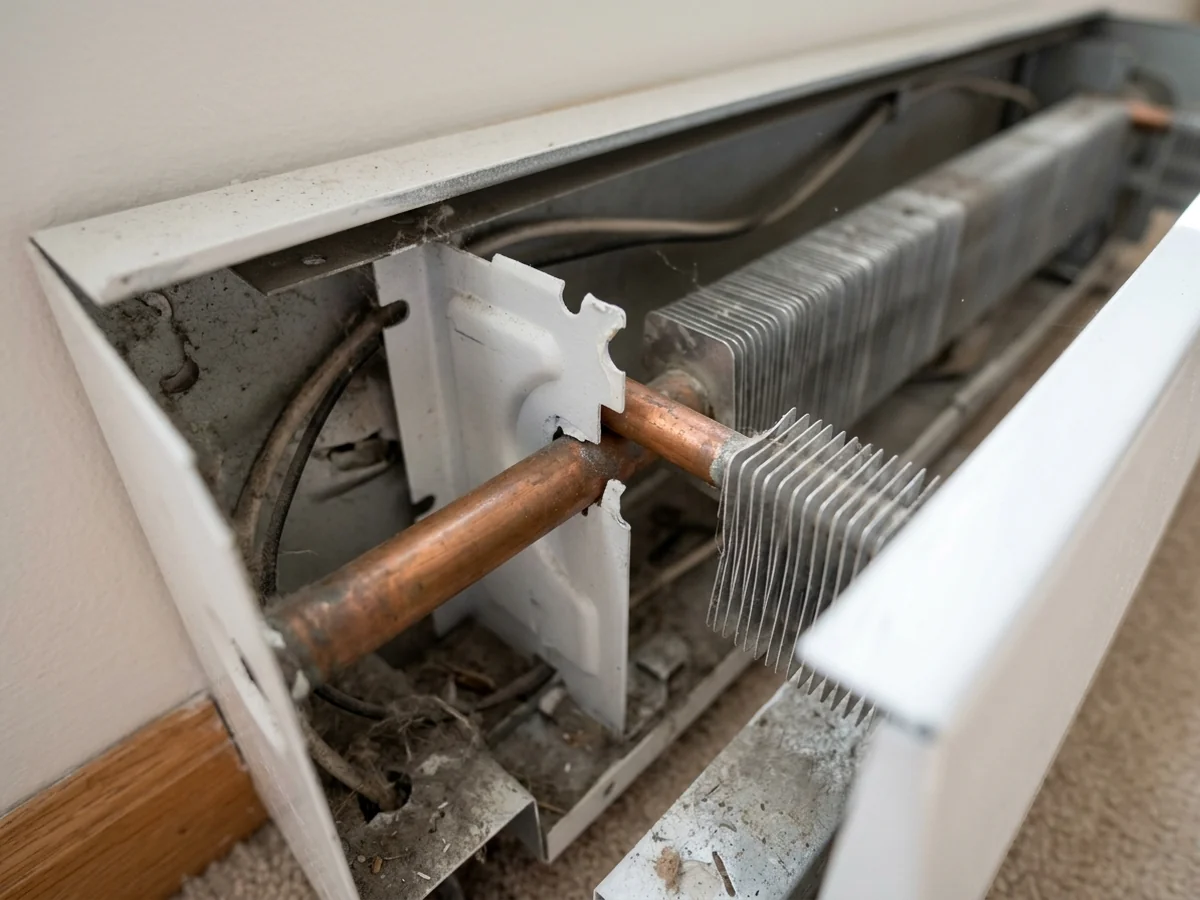
You can silence baseboard heater ticking and pinging noises by addressing friction points along the metal tracks. These sounds occur when your copper pipes expand against metal brackets as the water heats up. While the noise is usually harmless thermal expansion, it remains annoying when you try to sleep.
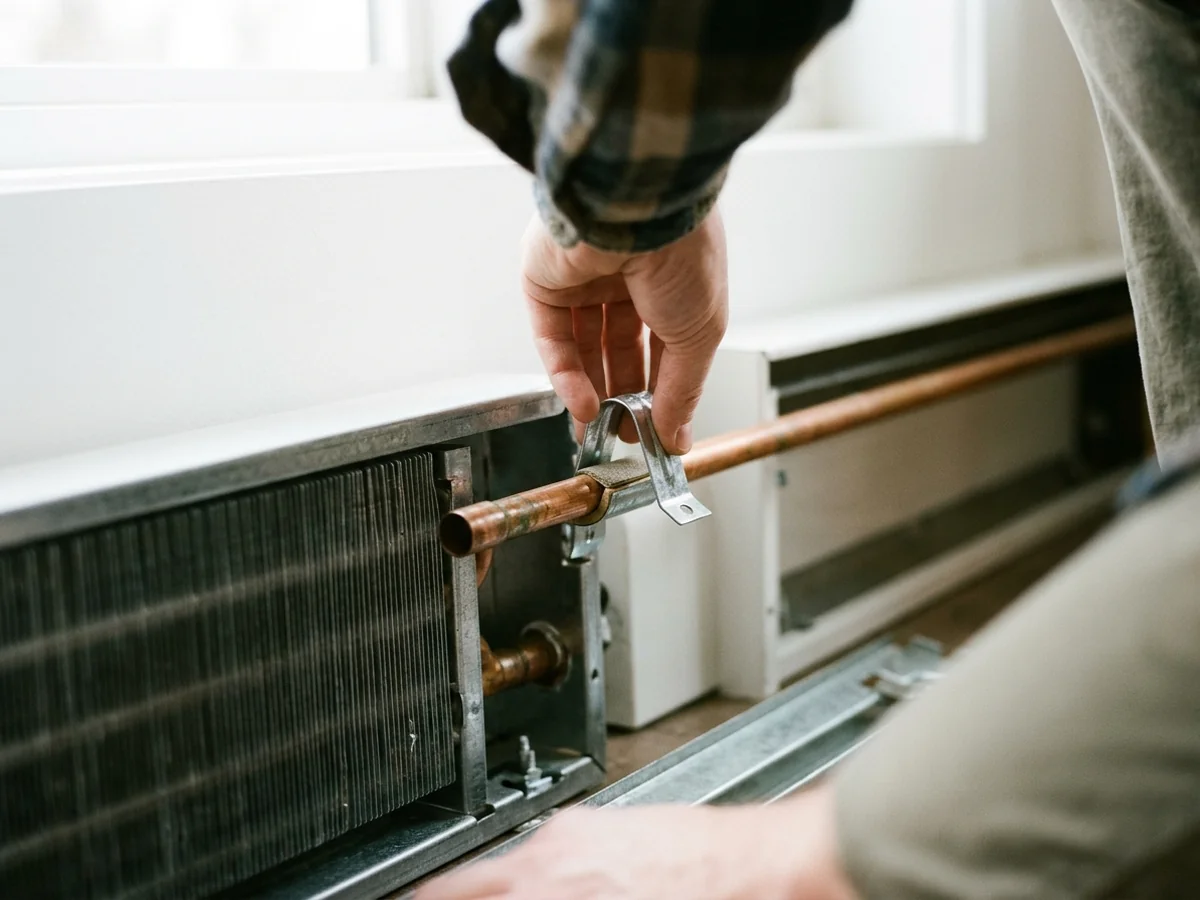
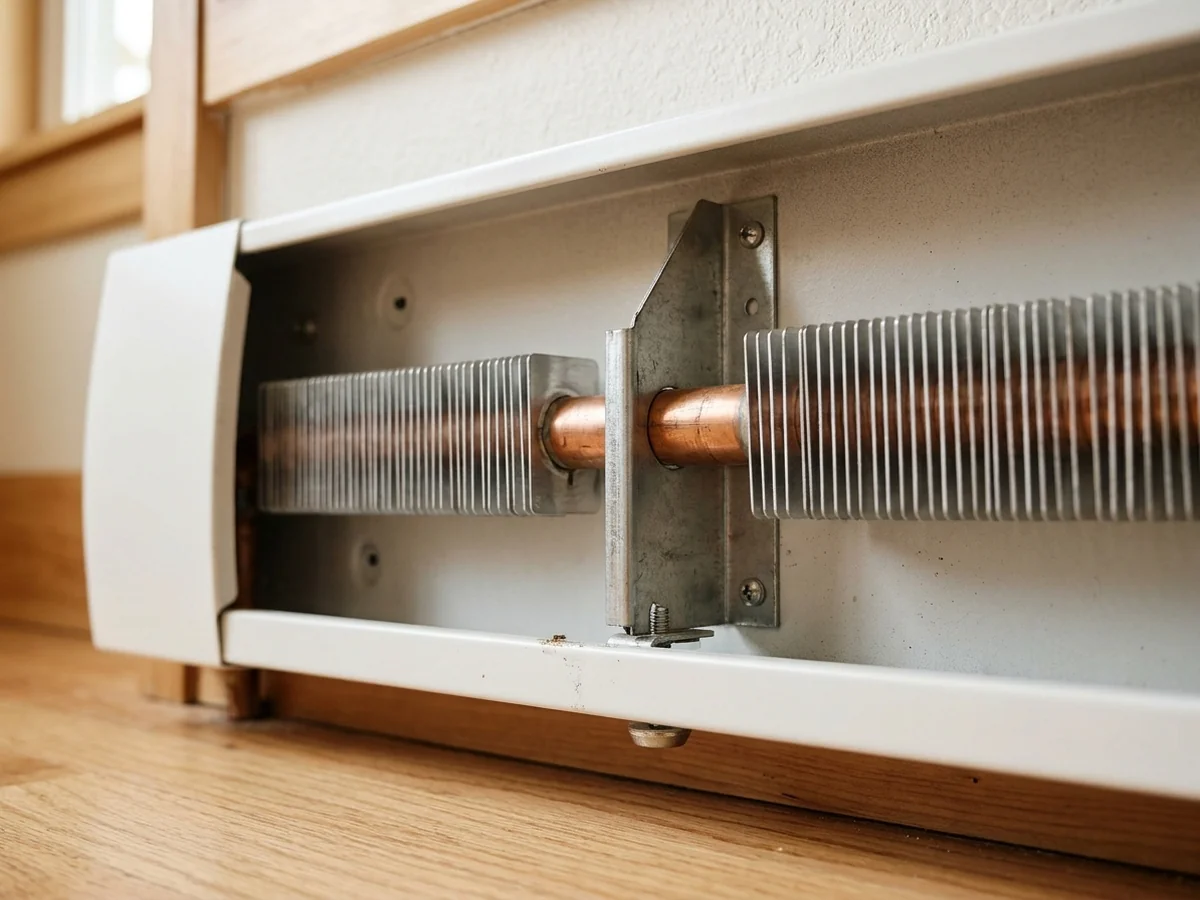
Start by removing the front baseboard covers to inspect the heating element. Often, the copper pipes touch the metal brackets or wood floor joists directly. Adding nylon glides or small pieces of high heat silicone between the pipe and the metal support stops the metal-on-metal friction. If the noise persists, check that your screws aren’t overtightened, as this locks the components in place and forces the metal to buckle as it warms.
- Inspect the aluminum fins for any contact with the casing.
- Ensure the copper pipes have enough clearance to move freely.
- Lubricate contact points with a heat resistant spray if necessary.
- Use a 5 dollar pack of plastic pipe clips to isolate the pipe from the metal housing.
If you hear a gurgling sound instead of a sharp ping, your hydronic system might contain air pockets. Bleeding the system often clears this up. However, if the ticking sounds like a heavy metallic bang, the pipe might be wedged tight against a floor joist. You may need to carefully enlarge the hole in the wood to provide space for the pipe to expand. Always turn your thermostat off and let the unit cool completely before you touch any internal components. If you still hear loud banging or grinding after these fixes, contact an HVAC professional to inspect the aquastat or pump settings. Proper maintenance keeps your home quiet and ensures your heating system runs efficiently all winter long.
Why Your Heater Clicks

You hear baseboard heater ticking and pinging noises because your copper pipes are growing. When your hydronic system pushes hot water through the pipes, the metal heats up rapidly. This causes the copper to expand against cold metal brackets or floor joists. As the pipe pushes against these fixed points, it creates the sound of metal scraping or snapping.
This thermal expansion is a standard physical reaction. It happens because the heating element moves slightly as its temperature changes. While the noise sounds loud in a quiet room, it is rarely a sign of a mechanical failure or a fire hazard. The clicking is simply friction between the pipe and the surrounding structure.
You can often stop these sounds with a few simple adjustments. Most of the time, the pipe rubs against a metal bracket that holds it in place. If you can identify the exact spot where the pipe touches the frame, you can create space to stop the friction. Adding a small piece of heat resistant material between the pipe and the bracket often solves the issue instantly.
Quiet your heating system using these practical steps:
- Check for contact points where the copper pipe touches metal brackets or wood framing.
- Place nylon glides or thin heat resistant pads between the pipe and the bracket to allow movement.
- Ensure the baseboard covers are tightened properly to prevent rattling.
- Use a flashlight to inspect the length of the pipe under the cover for signs of wear.
I have found that a simple pack of high heat shims, which cost around $8, is enough to fix most issues. Always ensure the system is turned off and cool before you touch the pipes or the heating element. You do not want to risk a burn while inspecting the area. By reducing these friction points, you stop the noise without needing a professional technician. Most homeowners can complete this task in under 30 minutes with basic tools like a screwdriver and a pair of pliers.
Quiet Your Heating System
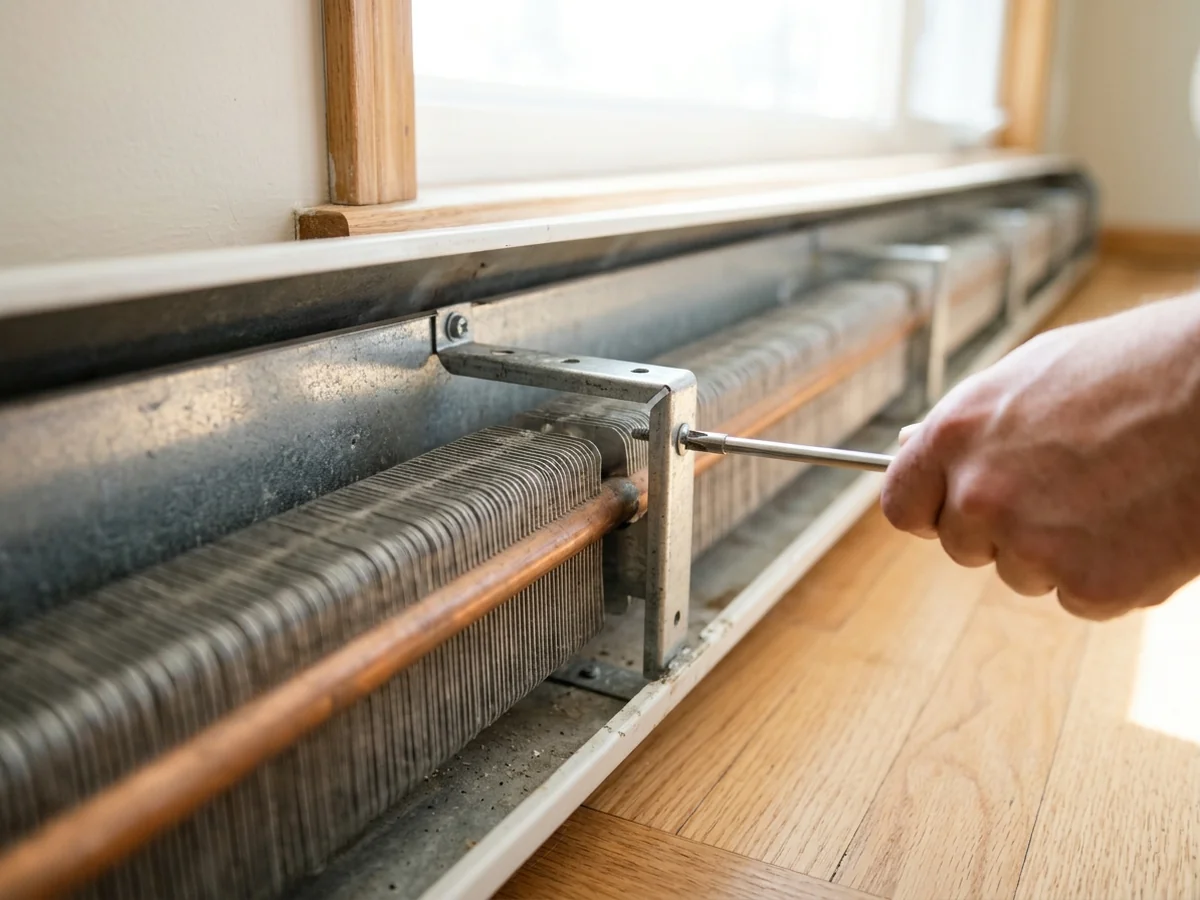
You can stop baseboard heater ticking and pinging noises by identifying if the sound comes from thermal expansion or metal friction. Most expansion sounds are harmless, but friction requires a simple adjustment to restore peace in your home.
If you hear a steady rhythm, your copper pipes are likely rubbing against metal brackets as they heat up. This happens because the metal expands and pushes against the frame. You can solve this by adding nylon glides between the pipe and the metal bracket. These small plastic pieces cost around $10 for a pack and provide a smooth surface for the pipe to slide on as it moves.
Check your baseboard covers if the sound is more of a rattle. Loose covers often vibrate against the wall or floor during the heating cycle. Use a screwdriver to tighten the mounting screws. If the metal cover still feels loose, place a small piece of heat-resistant felt tape between the cover and the wall to dampen the vibration.
Follow these steps to inspect your system safely:
- Remove the front panel of the baseboard heater to expose the heating element.
- Look for areas where the copper pipes touch wood joists or metal supports.
- Clean dust from the aluminum fins using a soft brush to prevent heat buildup.
- Check that the metal brackets are secure and not bent into the pipe.
- Apply a tiny drop of high-temperature silicone lubricant to any friction points.
Silence your home heating by ensuring the pipes have enough room to expand without touching surrounding materials. If you notice leaks near the pipe connections or if the banging sounds like heavy water hammer, you should contact a professional to check the system pressure. Most rattling and clicking is a simple mechanical fix you can finish in under 30 minutes. Keeping these parts clean and properly spaced will prevent future noise and keep your system running efficiently all winter long.
Key Benefits For Homeowners
- Save money on professional repairs by performing simple DIY maintenance to stop baseboard heater ticking and pinging noises instead of paying a technician $150 or more for a basic service call.
- Protect your home structure from long-term wear because stopping the pipe from rubbing against floor joists prevents wood damage and structural stress over time.
- Restore peace and quiet to your bedroom by silencing metal-on-metal rattling sounds caused by the heating element expanding against dirty or loose brackets.
- Identify potential fire hazards or system damage early by inspecting your unit for signs of overheating or loose wiring before they turn into major repair bills.
You do not need to live with loud, constant disturbances during the winter. Addressing the root cause of the noise often takes less than 30 minutes of your time. Most of these sounds come from copper pipes expanding against metal brackets or the floor. When the pipe touches a floor joist or a tight metal cutout, it creates a persistent clicking or pinging sound. This is a common issue for homeowners, but it is easy to manage.
By learning how to silence your system, you gain control over your home environment. You will stop worrying about whether the noise is a sign of a breakdown. Regular maintenance also helps you keep your heating system running efficiently throughout the coldest months. When you keep the heating element and the covers free from debris, you prevent the friction that causes these annoying sounds. You will enjoy a warmer, quieter house without needing expensive tools or professional help. Taking these small steps now ensures your system stays safe and reliable for years to come.
Simple Steps To Silence
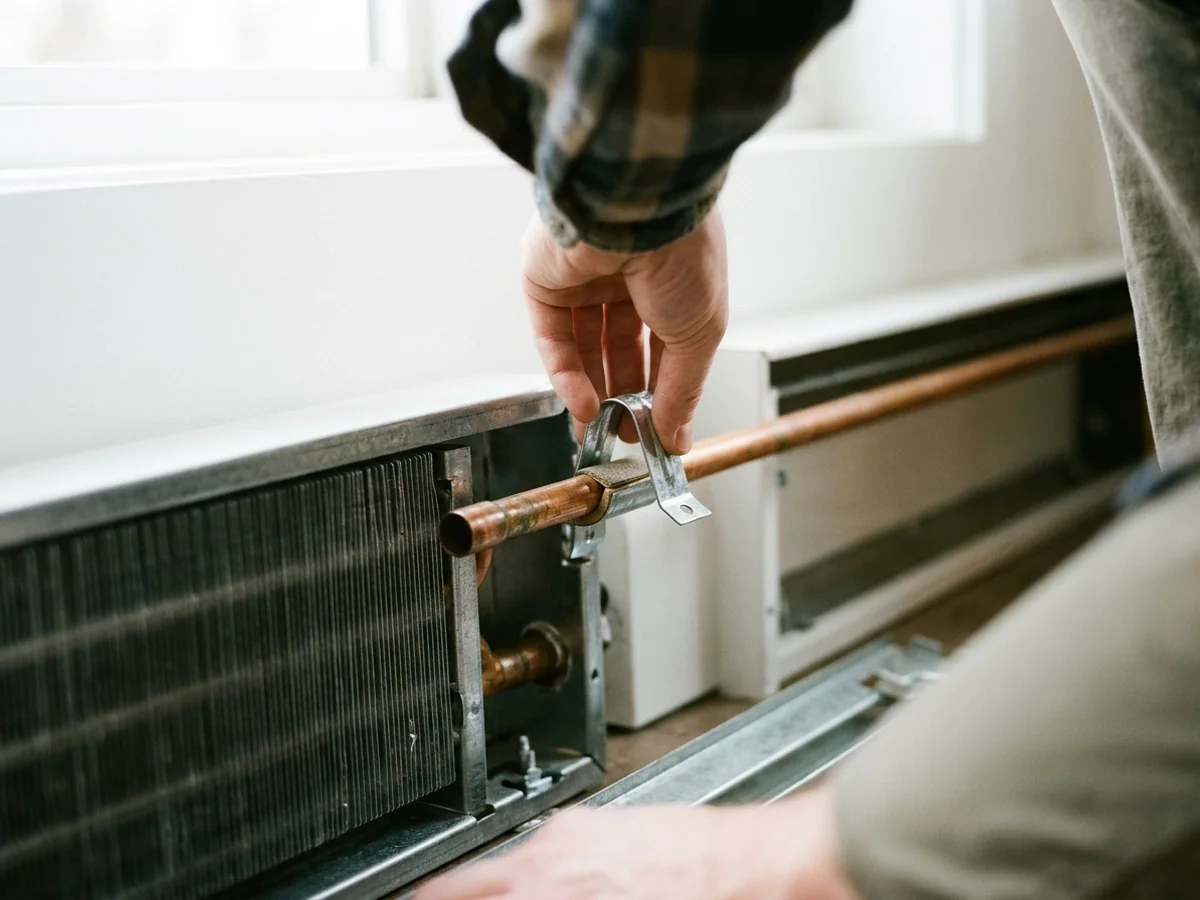
You can stop baseboard heater ticking and pinging noises by removing friction points along the heating element. Most sounds occur when copper pipes expand and rub against fixed surfaces. Follow these steps to restore peace to your home.
Start by inspecting the heating element where it passes through walls or metal brackets. Look for spots where the copper pipe touches wood frames or metal supports. If the pipe is tight against a surface, it cannot expand freely. Use a flashlight to see these contact points clearly.
Install nylon glides or apply high-temperature tape at every friction point. These materials create a smooth buffer that allows the pipe to slide silently during thermal expansion. You can buy a pack of high-temperature tape for around $12 at most hardware stores. This simple barrier prevents the metal-on-metal rubbing that causes most clicking sounds.
Check that your baseboard covers are screwed in securely to stop rattling. Loose metal casing will vibrate as the internal components warm up. Tighten every screw along the cover to ensure the housing remains rigid. If the cover still vibrates, add a small piece of felt or rubber between the casing and the wall bracket.
- Remove the front cover to reveal the heating element and aluminum fins.
- Check for contact points where the pipe touches wood floor joists or metal brackets.
- Apply high-temperature tape to any area showing signs of friction or wear.
- Ensure all screws holding the baseboard covers are tightened firmly.
Test the system after making these adjustments. Turn your thermostat up and listen closely as the heater warms your room. If you still hear small sounds, check the pipe path one more time for hidden contact points. This effective DIY repair solves most noise issues caused by structural interference. If the ticking persists after you have cleared all friction points, you may need to check your system for trapped air pockets or high water temperatures. Consistent maintenance keeps your heating system quiet and efficient throughout the winter season.
Trusted Heating Advice
You can stop baseboard heater ticking and pinging noises using our proven maintenance steps. We base these tips on over 10 years of professional HVAC troubleshooting experience. Our focus is keeping you safe while you fix your system. You will learn how to silence your unit without bending the fragile aluminum fins.
Most noises happen because of thermal expansion. As the heating element warms up, the copper pipes grow in length. This movement causes friction against metal brackets or wood floor joists. It sounds like a sharp ping or a steady tick. These sounds are normal and rarely indicate a fire hazard. However, constant noise is frustrating.
Follow our expert steps to quiet your home safely:
- Inspect the metal brackets for dust or debris.
- Check if the casing rests too tightly against the wall.
- Ensure the copper pipes move freely on their nylon glides.
- Use a soft brush to clean fins rather than harsh tools.
We prioritize clear instructions to protect your hardware. One common mistake is forcing the heating element into place. This often ruins the fragile aluminum fins. Instead, use a simple flathead screwdriver to gently adjust the metal brackets. You should only need to move the pipe by about 1/4 inch to stop the friction points. This small gap allows for natural movement without the annoying metal-on-metal sound.
Are you worried about a different rattle? Sometimes loose baseboard covers cause vibration. Tighten the screws holding the front panel in place. If the noise persists after you check these friction points, your hydronic system might have air trapped inside. An air pocket creates a distinct gurgling or popping sound. You may need to bleed the system if the noise remains after you secure the brackets.
Trust our guidance to restore peace to your living space. We believe in empowering homeowners to handle basic maintenance with confidence. If you find deep structural interference or damaged piping, call a professional. Otherwise, these simple adjustments usually solve the problem for good.
FAQ
Is the noise dangerous?
In most cases, baseboard heater ticking and pinging noises are not dangerous. They usually happen when metal parts rub together during thermal expansion. While annoying, these sounds rarely indicate a fire hazard or system failure.
Do I need special tools?
You rarely need expensive equipment to quiet your system. Most repairs only require a standard screwdriver and maybe some nylon glides. You can often complete these simple fixes for under $10 in materials from a local hardware store.
Is air causing the sound?
Air trapped in your hydronic system typically creates a gurgling or rushing water sound. Sharp metallic pings are almost always caused by copper pipes or aluminum fins expanding against metal brackets. If you hear rhythmic clicking, look for friction points rather than air pockets.
When should I call a pro?
You should contact a heating technician if you see water leaking near the baseboard covers. Also, call for help if the pipes feel loose or if the sound persists after you have cleared all obstructions. A professional can ensure your heating element is properly secured to the floor joists.
Why do noises happen during startup?
The heating element grows longer as it gets hot and shrinks as it cools down. This movement causes the metal pipe to slide against metal brackets or wood framing. This specific friction is the primary reason why your baseboard heater makes clicking sounds right when the system engages.
How can I stop the rattling?
The simplest way to fix a rattling cover is to ensure all screws are tight and the casing is seated correctly. If the internal pipe is the culprit, place a small piece of heat resistant material between the pipe and the bracket. This creates a buffer that stops the metal ticking sound when heater turns on.
For another perspective, this detailed piece on Baseboard heater clicking throughout the night? : r/AskNYC is worth a read.
Stop the Noise
You can stop baseboard heater ticking and pinging noises without hiring a technician. Most of this sound comes from the metal casing rubbing against the heating element. It happens because the copper pipes expand when they get hot. This movement creates friction against the metal brackets or the floor joists. You only need a screwdriver and a few minutes to quiet your home.
Clear the Path
Start by removing the metal baseboard covers. You will see the heating element, which consists of copper pipes and thin aluminum fins. Use a soft brush to clear away dust. Look for spots where the pipe touches the metal brackets. If the pipe is touching the bracket, it will pop as it heats up. You can gently bend the metal bracket away from the pipe to create a gap of about 1/4 inch. This small space stops the friction.
Add Simple Glides
If the pipe still rubs against the bracket, use a small piece of high-temperature nylon or a thick piece of aluminum foil. Fold the material to create a small pad. Slide this pad between the pipe and the bracket. This creates a buffer that allows the pipe to slide quietly during thermal expansion. If you hear a rattle, check the screws on the metal casing. Tighten any loose screws that connect the cover to the wall. Do not overtighten them, as the metal still needs room to move slightly.
Check the Supports
Inspect where the heating element passes through the floor. Sometimes the pipe touches the wood framing directly. If you see this, use a small file to shave a tiny amount of wood away from the joist. This provides the necessary clearance for the pipe to move without hitting the frame. Your hydronic system will now run silently.
Fix Your Heater Today

Stop the frustration of noisy nights with these simple steps. You do not need expensive parts or special skills to make your home quiet again. Grab your screwdriver and start these adjustments right now to enjoy a peaceful, warm home.
You might also like: What Happens If Furniture Blocks the Convection Airflow of Baseboard H