How Far Above an Electric Baseboard Heater Must Long Drapes Hang?
Determining how far above an electric baseboard heater must long drapes hang is a critical safety consideration for any homeowner. Because these heating units rely on convection to pull cool air from the floor and release warmth upward, obstructing that airflow creates a significant fire hazard.
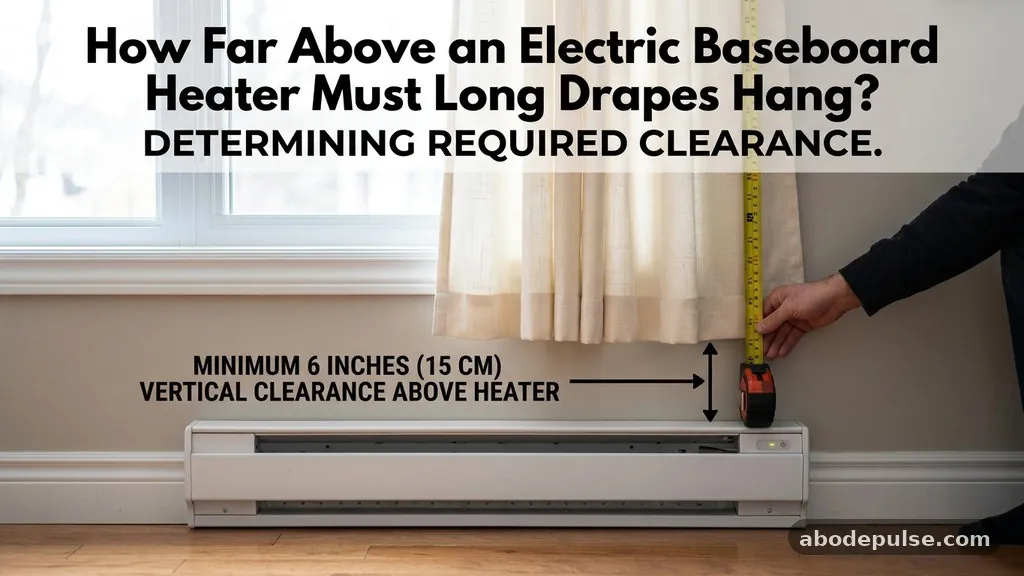
Most manufacturers and fire safety experts recommend maintaining a clearance of at least 6 to 12 inches between the top of the heater and the bottom of your window treatments. Following these guidelines ensures that your home stays warm without the risk of fabric ignition, while also allowing your heating system to function at its maximum efficiency.
Determining the Required Clearance
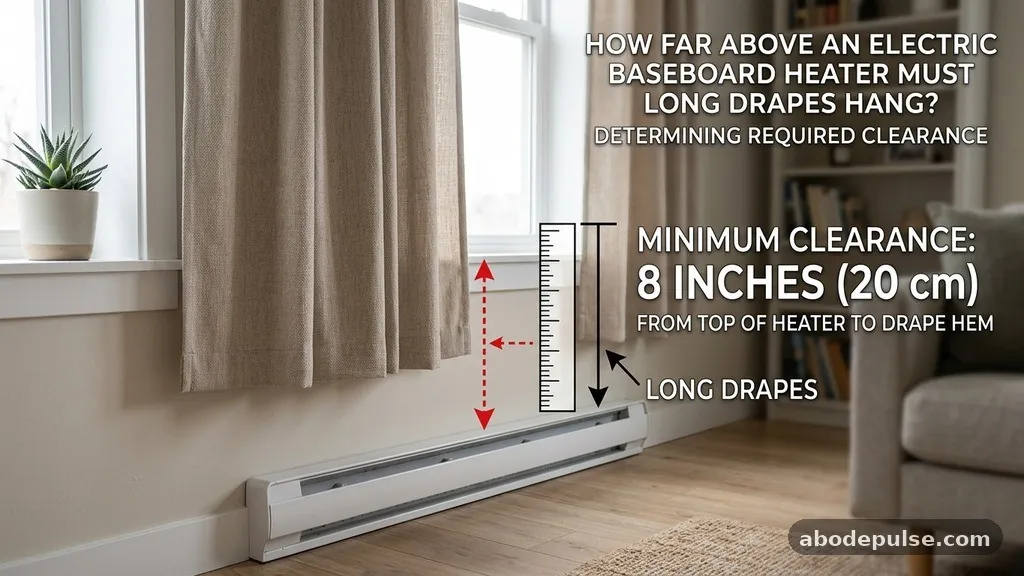
When you ask how far above an electric baseboard heater must long drapes hang, the most important answer is to prioritize safety. You should aim for a minimum distance of 6 inches above the unit, though 12 inches is widely considered the safer, more conservative standard. If your drapes are made of heavy, synthetic materials, they may be more prone to melting or catching fire if they get too close to the heating element.
Natural fabrics like cotton or linen are also combustible, meaning they can ignite if the heater malfunctions or stays on for an extended period. Because electric baseboard heaters can reach temperatures high enough to scorch fabric, you should never allow them to drape directly over or against the metal housing. If you have limited wall space and feel forced to hang long curtains, consider installing a shorter length or a different style of window treatment entirely.
Why Airflow Matters for Heater Efficiency
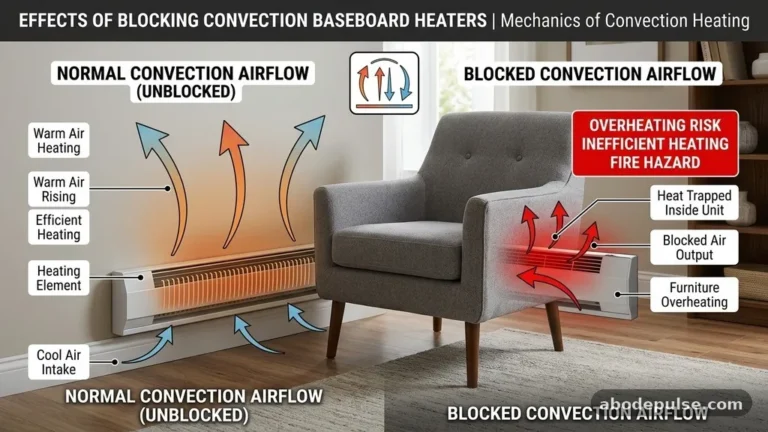
Electric baseboard heaters work by drawing cold air in from the bottom and pushing heated air out through the top. When you place long drapes in front of the unit, you effectively block this natural circulation loop. The heat gets trapped behind the fabric, which can cause the wall and the curtains to overheat significantly.
This trapped heat can also cause the internal thermostat to register a false temperature reading. If the sensor thinks the room is warmer than it actually is, the heater will shut off prematurely. Consequently, your home will feel drafty and cold, even though your electricity bill may remain high because the unit is struggling to cycle properly.
Material Choices and Fire Hazards
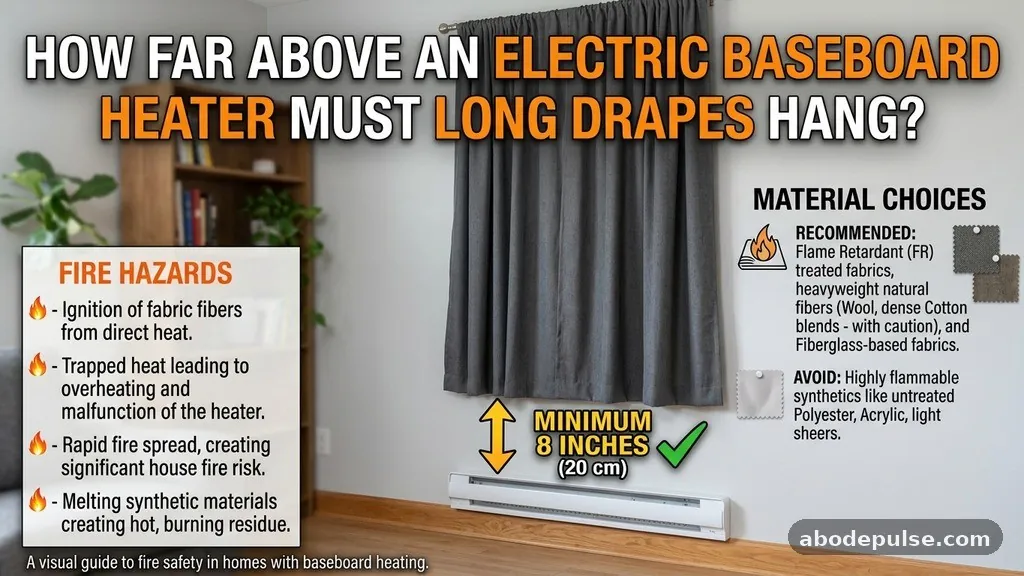
The material of your drapes plays a major role in how they react to proximity with heat sources. Synthetic fibers like polyester or nylon can melt when exposed to high, sustained heat, which can create a sticky, dangerous mess on your heater. Natural fibers like cotton or wool are less likely to melt but are highly flammable if they touch a hot surface.
Always check the manufacturer’s label on your curtains to see if they have flame-retardant properties. Even with treated fabrics, you should still maintain a safe distance from any heating element. If you are unsure about the safety of your current window coverings, it is best to err on the side of caution and raise them higher.
Alternative Window Treatments
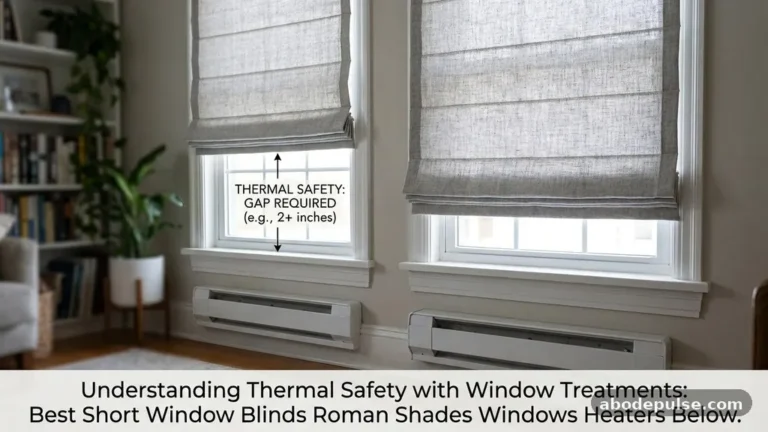
If you find that your desired window aesthetic requires full-length curtains, but you have a baseboard heater underneath, you might need to rethink your approach. Roman shades or roller blinds are excellent alternatives because they sit well above the baseboard units. These options provide privacy and style without dangling fabric near a potential fire source.
If you are committed to the look of long drapes, consider using a decorative rod that extends further out from the wall. This allows the curtains to hang in front of the heater rather than behind it, provided there is still a significant gap for air to pass through. However, this is only a partial solution and rarely as safe as keeping the space above the heater completely clear.
Safety Standards and Manufacturer Guidelines
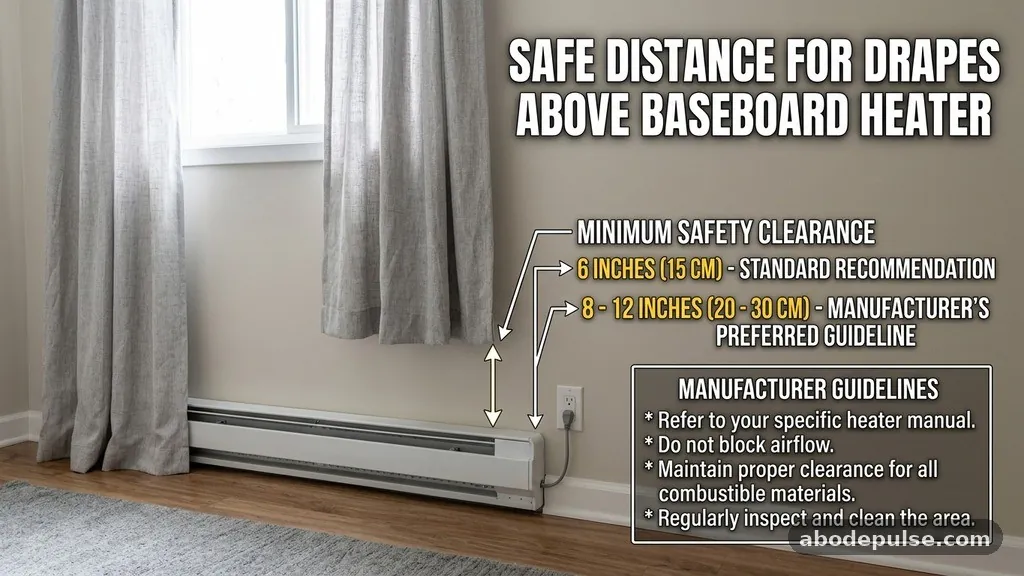
Most manufacturers provide specific installation manuals that address clearances for furniture and window treatments. You can often find these documents on the website of the heater’s manufacturer, such as the National Fire Protection Association, which offers extensive resources on home heating safety. Following these official recommendations is the best way to protect your property and ensure your insurance coverage remains valid in the event of an accident.
If you cannot find the manual for your specific unit, stick to the industry standard of 12 inches of clearance. It is better to have a slightly shorter curtain than to risk a household fire. Always inspect the area around your heater periodically to ensure that dust or debris has not accumulated, as this can also pose a fire risk when combined with nearby curtains.
Comparative Clearance Recommendations
The following table summarizes the recommended clearance zones to keep in mind when installing window treatments near heating elements.
| Treatment Type | Minimum Clearance | Recommended Distance |
|---|---|---|
| Heavy Drapes | 8 inches | 12+ inches |
| Light Curtains | 6 inches | 10 inches |
| Roman Shades | 4 inches | 8 inches |
| Furniture | 12 inches | 18+ inches |
Common Mistakes to Avoid
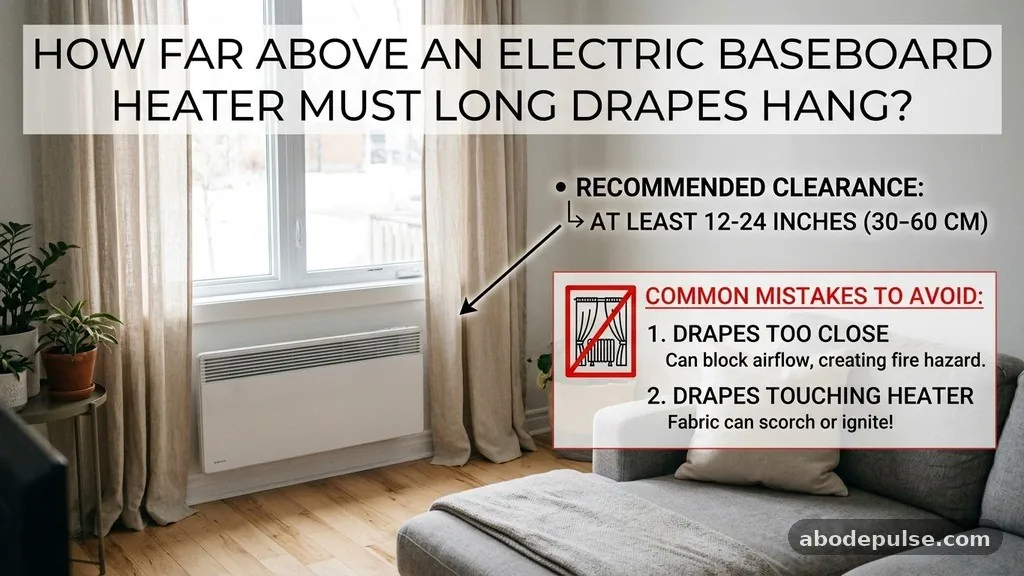
Many homeowners try to tuck their curtains behind the baseboard unit or bunched them up on the side to keep them out of the way. Both of these practices are dangerous because they either restrict airflow or bring the fabric into direct contact with the heater. Never use clips or ties to hold curtains in place near a heater, as these can fail over time.
Another common mistake is ignoring the heat output of older units. Older heaters may not have the same thermal cut-off switches that modern units include, making them much more likely to overheat. If you live in an older home, be extra diligent about maintaining the recommended clearance distances.
Checklist for Safe Window Decorating
When planning your room layout, use this checklist to ensure your window treatments are safe and functional.
- Measure the distance from the top of the heater to the bottom of the curtain hem.
- Ensure there is at least 6 to 12 inches of open air between the two.
- Avoid using floor-length drapes in rooms where baseboard heating is the primary source.
- Check for any loose fabric or tassels that might blow toward the heater during a draft.
- Clean the area around the heater regularly to prevent dust buildup on the heating coils.
- Consider installing shorter, tiered curtains if the window is directly above the heater.
The Impact of Room Layout
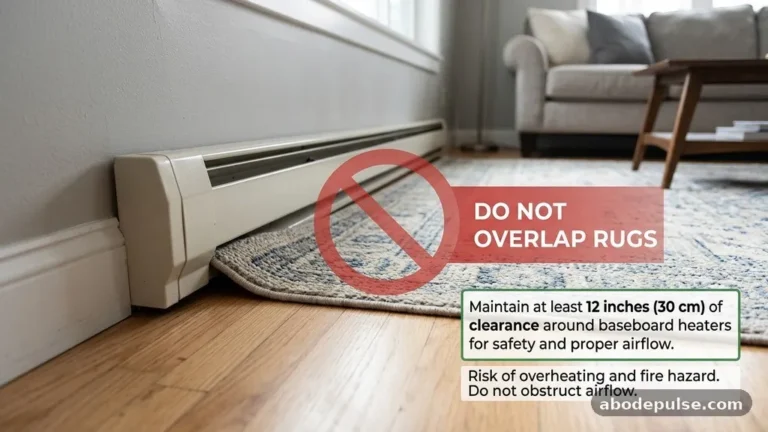
The way you arrange your room affects how heat moves throughout your living space. If you have a large sofa or a heavy rug positioned near the baseboard, the heat won’t circulate effectively, regardless of your curtains. You should aim to keep the area around the heater as open as possible to allow for maximum convection.
If you are renovating a room, consider moving the heater if it is in an inconvenient location for your desired decor. While this is a larger project, it solves the problem permanently. Placing furniture or heavy drapes near a heater is a constant source of stress, and moving the unit provides more flexibility in how you design your home.
FAQ: Safety and Placement
Is it ever safe to have curtains touch the baseboard heater?
No, it is never safe to have curtains touch an electric baseboard heater. The surface of these units can get extremely hot during operation, and direct contact with fabric can cause the material to scorch, melt, or ignite.
Can I use a heater cover to make it safer for curtains?
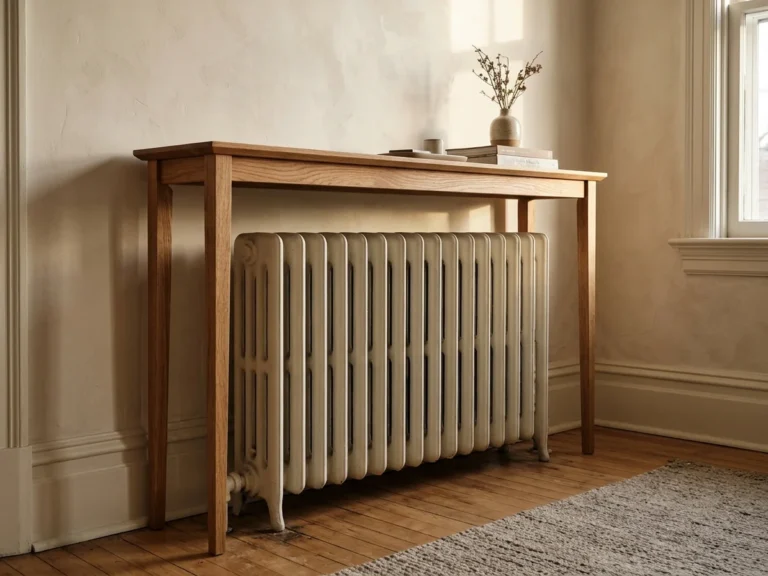
Heater covers can improve the look of your room and help direct airflow, but they do not eliminate the need for clearance. Even with a cover, you should still maintain the manufacturer’s recommended distance between the unit and any flammable materials.
What if my curtains are fire-retardant?
Even if your curtains are labeled as fire-retardant, they are still susceptible to heat damage. The fabric may not burst into flame immediately, but the heat can degrade the fibers, cause discoloration, or melt synthetic coatings over time.
How do I know if my heater is getting too hot?
If you notice a burning smell, discolored wall paint, or scorched fabric, your heater is either malfunctioning or obstructed. Turn the unit off immediately, clear any nearby items, and have a professional inspect the wiring and thermostat to ensure it is operating correctly.
Conclusion
Understanding how far above an electric baseboard heater must long drapes hang is a simple but vital part of home maintenance. By keeping a clearance of at least 6 to 12 inches, you protect your family from fire hazards and ensure your heating system works efficiently throughout the winter. If you find that your current window treatments are too long, choosing shorter options like Roman shades or adjusting your curtain rods can provide a stylish solution without compromising safety.
Take a few minutes today to inspect your home and ensure that no fabric is encroaching on your heating units. If you have questions about your specific heater model, check your owner’s manual or consult with a local electrician to confirm your setup is safe.