
Best Short Window Blinds and Roman Shades for Windows with Heaters Below
Finding the best Short Window Blinds and Roman Shades for Windows with Heaters Below requires balancing aesthetic appeal with essential fire safety and heat management. Because these window treatments hang directly above an active heat source, selecting the right material and length is critical to preventing damage and ensuring home safety.
When you prioritize heat-resistant fabrics and shorter profiles, you create a functional environment that remains comfortable throughout the seasons. This article provides the technical insights and practical advice needed to choose window coverings that perform safely and look great in your home.
The most effective solution for windows positioned directly above a heater is a top-down, bottom-up cordless blind or a short-length Roman shade made from non-synthetic, flame-retardant materials. You should avoid floor-length curtains or long, trailing shades that could potentially drape over the heating unit.
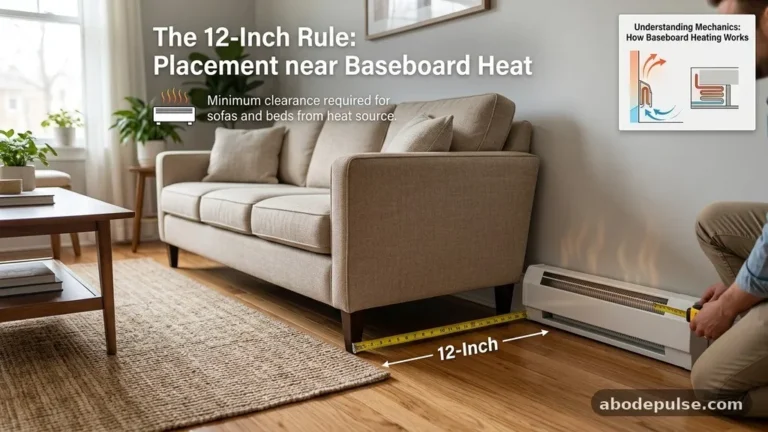
For most standard residential heaters, a window treatment that ends at least 6 to 10 inches above the top of the heater is considered the industry safety standard. By choosing these configurations, you ensure that heat can circulate freely into the room without being trapped behind or redirected by your window treatments.
Understanding Thermal Safety for Window Treatments

Safety is the primary concern when installing window coverings near heat sources. Most modern heating units, including baseboard heaters and wall-mounted radiators, generate significant convective heat that rises rapidly.
If you hang standard polyester or plastic blinds too close to these units, the heat can cause the material to warp, melt, or discolor over time. In extreme cases, synthetic fabrics may even pose a fire hazard if they come into direct contact with the heating element.
Always check the manufacturer’s specifications regarding heat resistance before making a purchase. Many high-quality products now carry certifications such as the Oeko-Tex Standard, which ensures that fabrics meet strict safety and environmental criteria.
Choosing natural fibers like cotton, linen, or treated bamboo often provides better heat tolerance than cheap, thin plastics. These materials are less likely to soften under consistent thermal pressure, maintaining their structural integrity for years.
Selecting the Ideal Length for Window Treatments
The “short” in your search for the best Short Window Blinds and Roman Shades for Windows with Heaters Below refers to both the physical height of the shade and its final resting position. You want to avoid any fabric that hangs low enough to be pushed by a draft toward the heater.
A shade that stops just below the window sill—but well above the heater—is the ideal arrangement. This prevents the “curtain effect” where long fabric acts as a barrier, forcing heat to go behind the window treatment rather than into the living space.
Measuring your window accurately is the first step toward a safe installation. Subtract at least 6 inches from the distance between your window sill and the top of the heater to determine the maximum length of your shades.
If you are ordering custom sizes, specify this “shortened” length clearly to ensure the manufacturer cuts the material exactly where you need it. This precise approach eliminates the guesswork and keeps your home safe from accidental heat damage.
Comparing Common Window Treatment Materials

Different materials react uniquely to heat. Understanding these differences helps you avoid common pitfalls like sagging or yellowing.
Synthetic materials are often cheaper but frequently fail when exposed to the constant temperature fluctuations of a room with a heater. Natural fibers offer a better aesthetic and, when treated, provide reliable durability.
| Material Type | Heat Tolerance | Best Use Case |
|---|---|---|
| Natural Linen | High | Living rooms and bedrooms |
| Treated Bamboo | High | Sunrooms or kitchens |
| Synthetic Polyester | Low | Cooler rooms without heaters |
| Heavy Cotton | Medium | Formal spaces with low-heat settings |
Benefits of Cordless Roman Shades
Cordless Roman shades are an excellent choice for windows near heaters because they lack the dangling cords that can catch on furniture or drift into heating vents. The cordless mechanism allows for smooth operation, letting you raise the shade completely during the coldest months when you need maximum heat circulation. This design is also a major safety feature for homes with children or pets, as it eliminates strangulation hazards.
Many modern cordless Roman shades are built with high-quality tension springs that lock the shade at any desired height. This flexibility is vital when you want to block the sun during the day but keep the shade lifted high above the heater at night. Because they fold neatly into a compact stack, they take up very little vertical space, making them the perfect solution for small windows where every inch counts.
Light Filtering Versus Blackout Options
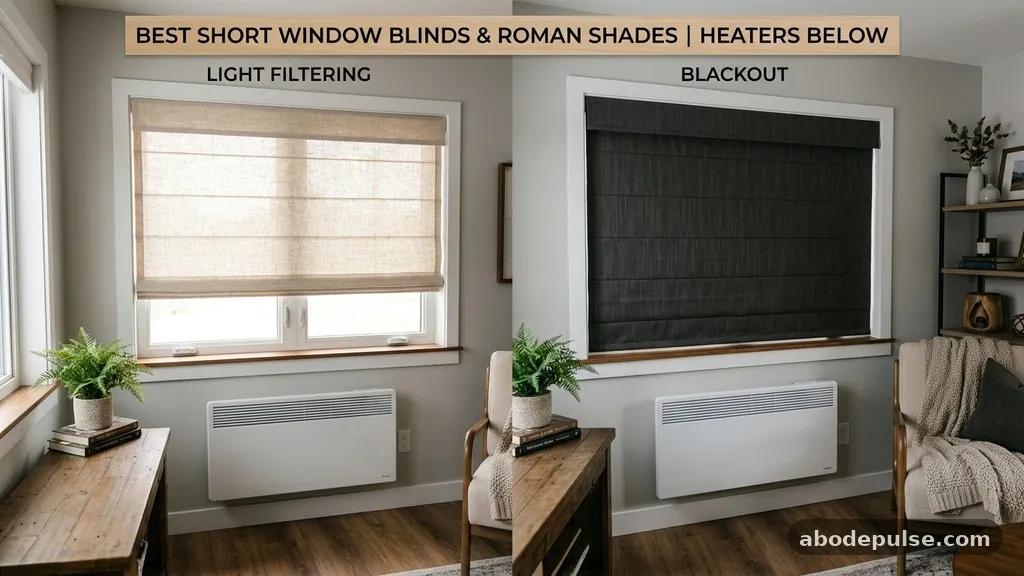
Your choice between light filtering and blackout fabrics depends on the function of the room. In a bedroom, you might prefer blackout options to ensure privacy and better sleep.
However, blackout fabrics are often thicker and can trap more heat if they are not perfectly sized. If you choose a blackout shade, ensure it is a “short” version that does not extend past the window frame.
Light filtering shades are generally lighter and allow for better airflow. If your room gets a lot of sun, light filtering shades can reduce glare while still letting natural light permeate the space.
These are often the best choice for kitchens or home offices where you need to manage light without turning the area into a dark cave. Both styles are widely available in the cordless formats that work best for heater-adjacent windows.
The Importance of Proper Installation
Installation matters as much as the product itself. You should mount your shades as close to the top of the window frame as possible to maximize the distance from the heater below.
If you are using an inside mount, ensure the bracket is securely attached so the shade hangs perfectly level. An uneven shade might hang lower on one side, putting that corner at risk of heat damage.
For windows with very limited space, consider using a decorative valance to hide the hardware. A valance can provide a clean, finished look while also protecting the top mechanism of your blinds from dust and debris. Always verify that your mounting hardware is made of metal rather than plastic, as metal will withstand the heat from the radiator much better over the long term.
Incorporating Sustainable and Eco-Friendly Fabrics
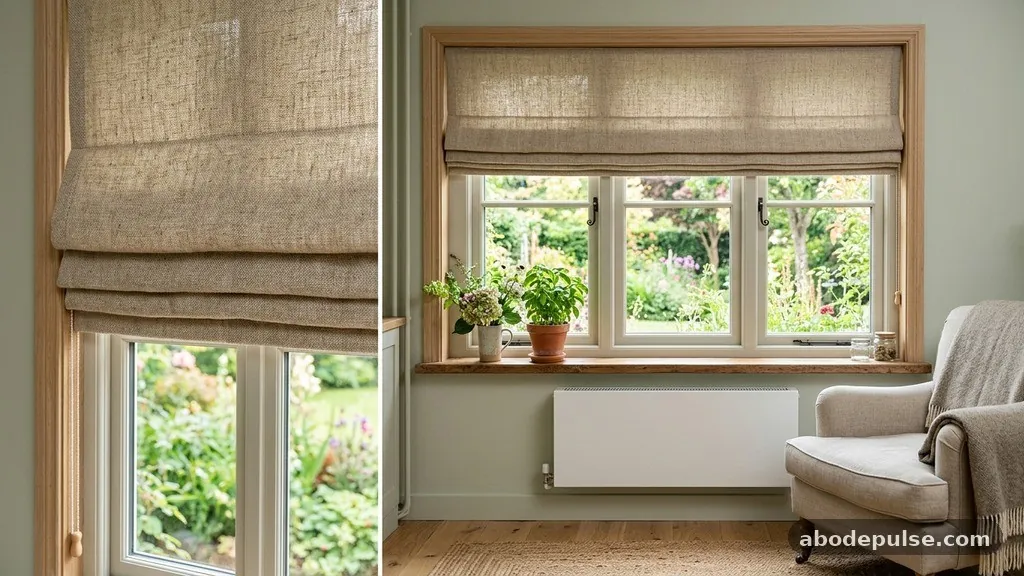
Sustainability is increasingly important for homeowners looking to furnish their space responsibly. Look for labels that mention the Recycled Standard or other global certifications.
Many brands now offer Roman shades made from recycled fibers that are just as durable as virgin materials. These eco-friendly options often come in beautiful, natural textures like off-white or beige, which fit perfectly into modern, minimalist interior designs.
Choosing sustainable products doesn’t mean sacrificing performance. Many recycled fabrics are treated with eco-friendly flame retardants, making them a safe and responsible choice for your home.
By opting for these materials, you reduce your environmental footprint while maintaining a high standard of safety for your window treatments. Always check the product description for specific details on the sourcing of the materials.
Maintenance and Cleaning Tips
Even the best window treatments require regular care to stay in top condition. Because they are located near a heater, these shades may collect dust from the convection currents.
Use a soft vacuum attachment or a microfiber cloth to wipe down your blinds every few weeks. This simple habit prevents dust from baking onto the fabric, which can cause permanent staining over time.
Avoid using harsh chemical cleaners on your shades. Most natural fibers can be spot-cleaned with a damp cloth and mild soap if necessary.
If you have bamboo or wood-based shades, stick to dry dusting to keep the material from warping due to moisture. Keeping your window treatments clean ensures they continue to look fresh and function safely throughout the year.
Customizing for Small Windows
Small windows often present the biggest challenge when choosing window treatments. You want a design that doesn’t overwhelm the space but still provides necessary privacy.
Roman shades are particularly well-suited for small openings because they occupy very little space when raised. A simple, clean-lined shade in a neutral color can make a small window appear larger and more integrated into the wall.
When customizing for small windows, pay close attention to the stack height. This is the amount of space the shade takes up at the very top of the window when it is fully retracted.
For a small window, you want a low stack height so the shade doesn’t block the view when it’s open. Many online retailers allow you to specify this, ensuring your final product is perfectly tailored to your room’s dimensions.
Frequently Asked Questions
Can I use standard curtains if I have a heater underneath?
Using long, flowing curtains above a heater is generally discouraged. They are highly flammable and act as a thermal barrier that traps heat, potentially causing the room to cool down or the curtain to become a fire hazard. If you must use curtains, they should be “cafe length” and stop well above the heater.
How do I know if my blinds are heat-resistant?
Check the product description for terms like “flame-retardant” or “heat-resistant.” Natural fibers like linen and cotton are generally more heat-tolerant than cheap, thin vinyl or plastic. Always look for safety certifications from recognized textile organizations to ensure the material has been tested for safety.
Are cordless shades safer for my home?
Yes, cordless shades are significantly safer for homes with children or pets. They remove the risk of entanglement and, because they lack dangling cords, they are less likely to be pulled into a heating unit by a draft or an accidental tug. They also provide a cleaner, more modern look for your windows.
What is the recommended distance between a heater and a blind?
Industry experts typically recommend a clearance of at least 6 to 10 inches between the bottom of your window treatment and the top of the heater. This gap allows for proper air circulation and ensures that the heat emitted by the unit does not damage the fabric of the shade.
Can I install Roman shades in a bathroom?
Roman shades can work in a bathroom if you choose moisture-resistant fabrics like treated linen or specialized synthetic blends. Ensure the bathroom is well-ventilated to prevent mold or mildew growth on the fabric. Always follow the same safety rules regarding the distance from any heaters present in the bathroom.
The search for the best Short Window Blinds and Roman Shades for Windows with Heaters Below is about more than just style; it is about creating a safe and efficient home. By selecting high-quality, heat-resistant materials and ensuring your window treatments are cut to the appropriate length, you protect your investment and ensure your heating system works as intended. Remember to prioritize cordless mechanisms to keep your space tidy and safe for everyone in the house.
Taking the time to measure precisely and choosing materials that can withstand the unique conditions of your room will pay off in the long run. Whether you opt for a classic linen Roman shade or a modern bamboo blind, these choices add function and beauty to your home. If you have further questions about specific materials or installation methods, consulting with a professional window treatment specialist is always a great next step to ensure you get the perfect fit.