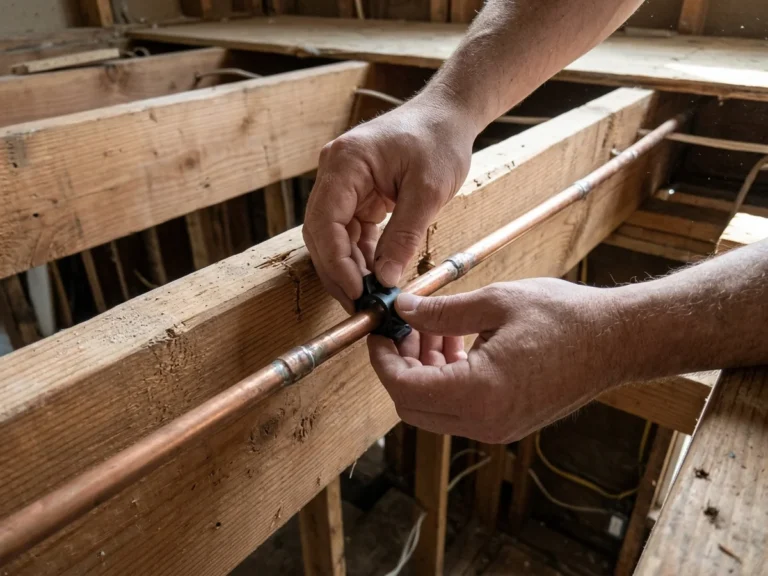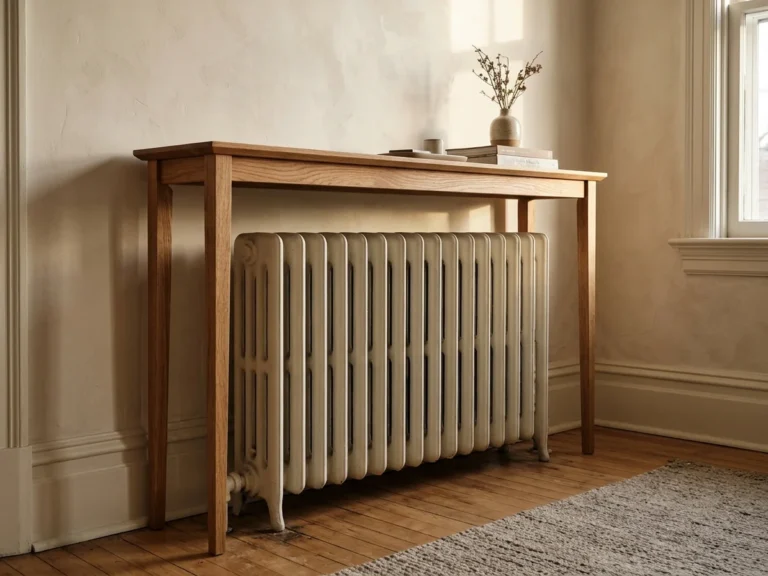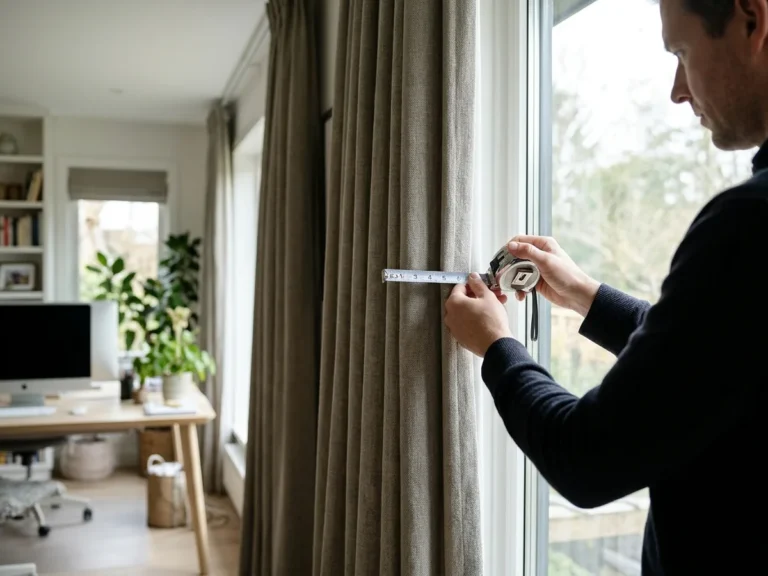

Clearance Between Top Radiator Shelf and Cast Iron Fins for Proper Convection
Perfect Radiator Cover Shelf Clearance
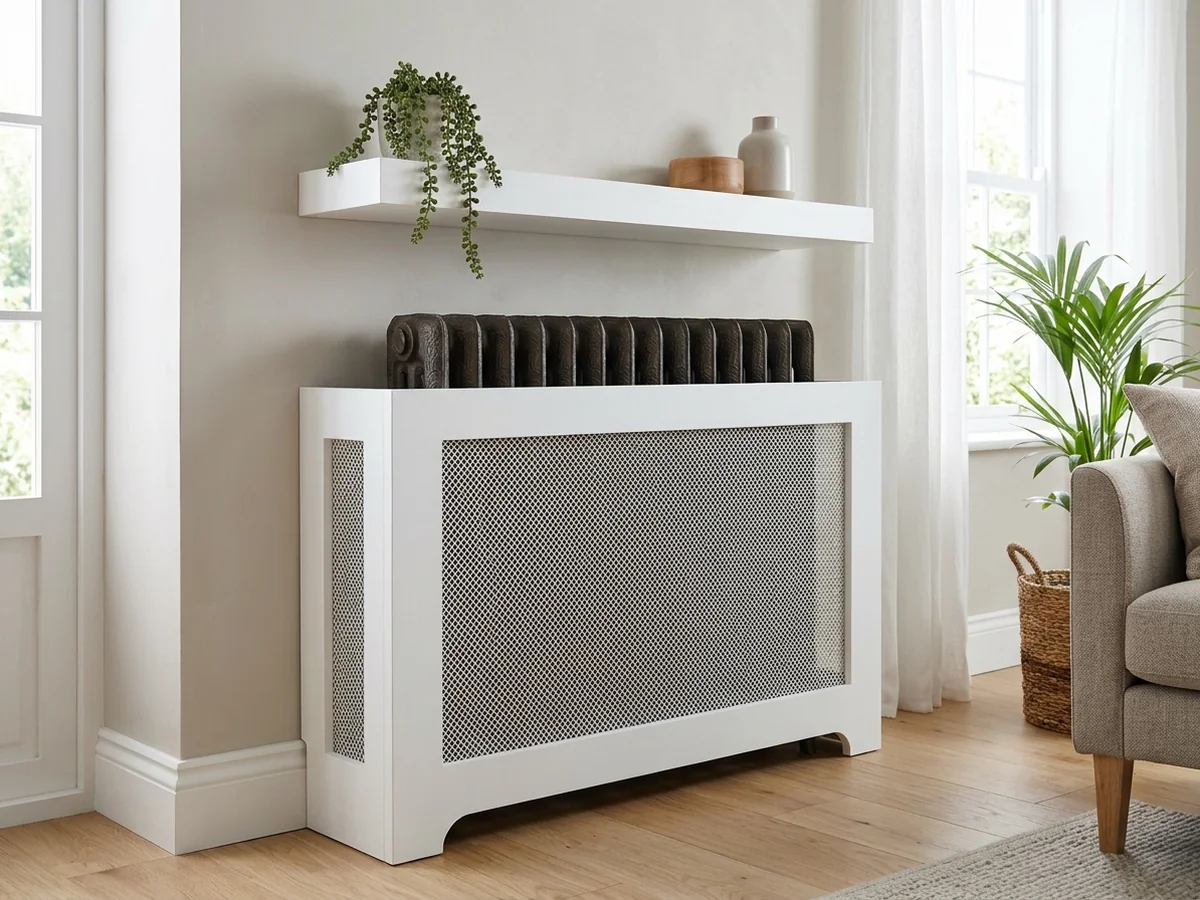
You need at least 4 inches of radiator cover shelf clearance to maintain proper heat convection. This gap allows air to flow freely from your cast iron radiator into the room. Without this space, your heat output drops significantly because the air gets trapped underneath the wood finish. A proper buffer ensures the convection current pushes warmth into your living area rather than heating your wall or the underside of your shelf.
Following this radiator cover shelf clearance rule prevents your thermostat valve from reading false temperatures. When heat builds up against the wall, your heating system shuts off too early. You can use simple mounting brackets to secure your shelf while keeping the required airflow requirements. Avoid placing deep shelves directly over the radiator fins, as this creates a bottleneck for rising air. Choosing a high quality material that resists thermal expansion ensures your home decor remains safe and functional throughout the winter season.
- Keep a 4 inch gap to stop heat loss at the wall.
- Use metal or solid wood for better heat resistance.
- Ensure your shelf depth does not exceed the radiator width.
- Check your thermostat accuracy after installation to verify performance.
Hidden Heating Traps
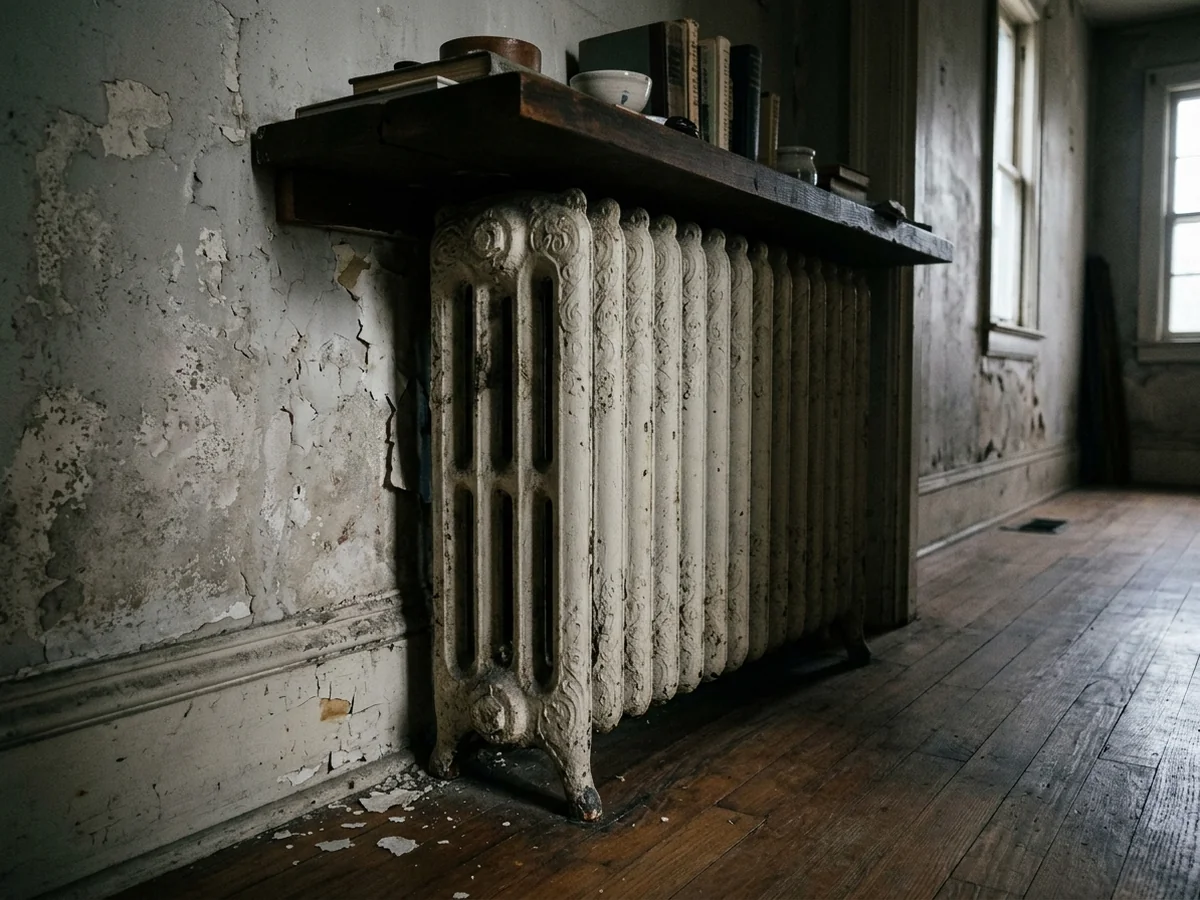
Placing a shelf too close to a cast iron radiator blocks essential convection currents. When warm air cannot escape upward, it lingers around your thermostat valve. This heat buildup tricks the sensor into thinking the room is already warm enough. Your boiler then shuts off prematurely, leaving the rest of your home feeling chilly despite a high energy bill.
Source: wayfair.com
Proper radiator cover shelf clearance ensures heat flows freely into your living space. You need at least 4 inches of vertical space between the top of your radiator fins and the underside of your shelf. This gap allows the cool air from the floor to move up and through the radiator effectively. Without this, you lose the primary benefit of convective heat transfer.
Trapped heat does more than ruin your comfort. It creates a pocket of extreme temperature that can damage your wall finish or warp wood boards over time. If you ignore these radiator cover airflow requirements, you effectively turn a high-output heater into a decorative box that traps energy instead of releasing it.
Keep these points in mind to protect your home efficiency:
- Maintain a clear path for air to rise from the radiator fins.
- Ensure your thermostat valve sits outside the heat pocket created by the shelf.
- Avoid using heavy materials that absorb and hold onto rising heat.
- Check that your mounting brackets do not block the radiator grille or vent paths.
Many homeowners struggle with a floating shelf that sits flush against the wall. If you install one directly above a cast iron radiator, the wall clearance becomes critical. You must account for the natural thermal expansion of the metal. If the shelf is too tight, the rising heat will hit the wood and force it to bow or discolor. By prioritizing the correct minimum distance between radiator and shelf, you keep your room warm and protect your investment in home decor. Your heating system will run for shorter intervals, providing consistent warmth without wasting fuel on a trapped heat zone.
Engineered Airflow Solutions
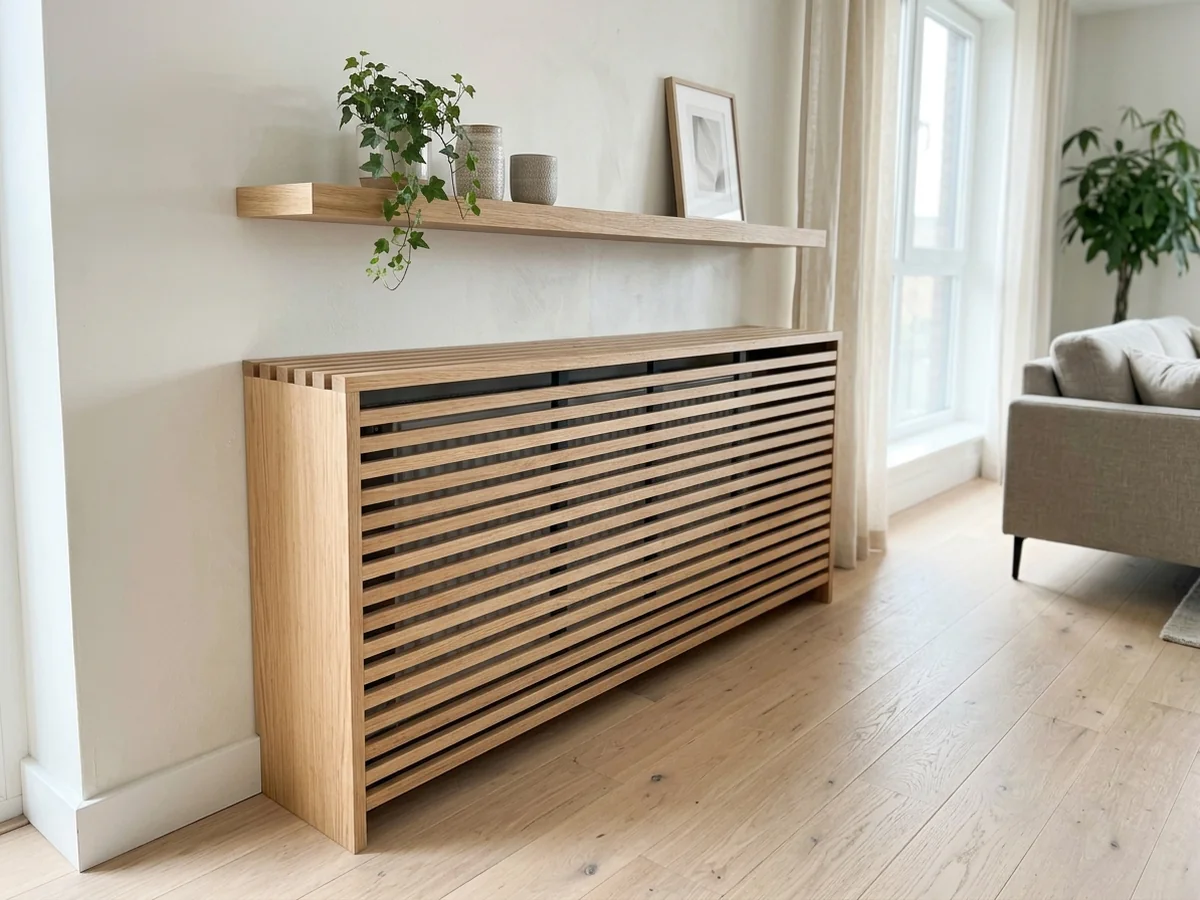
You need a minimum of 4 inches of vertical space to ensure your room stays warm. Proper radiator cover shelf clearance stops heat from getting trapped against your wall. This gap allows a steady convection current to pull cool air from the floor and push warmth into your living space.
Blocking this flow forces your boiler to work harder. You might notice your thermostat valve shuts off too early because heat gathers directly under the shelf. Our design approach helps you balance sleek home decor with maximum thermal efficiency.
Follow these steps to maintain high performance:
- Mount your shelf using heavy duty brackets to allow heat to circulate behind the board.
- Keep the shelf depth within 2 inches of the radiator width to prevent heat loss.
- Select solid hardwood or metal surfaces to withstand constant thermal expansion.
- Avoid placing decorative items directly over the radiator grille to keep air moving.
A cast iron radiator requires more room for air to rise compared to modern steel panels. If you place a shelf too close, the wood finish may crack or discolor over time. We focus on radiator cover shelf clearance so your heating system remains effective throughout the winter months. You don’t have to choose between a beautiful room and a comfortable temperature.
Proper spacing protects your walls from heat damage and prevents paint from peeling. By setting the right height, you improve the convection cycle in every corner of your home. This simple adjustment ensures your radiator cover acts as a functional design piece rather than a barrier to comfort. You will notice better air circulation and a more consistent ambient room temperature within hours of installation.
Key Efficiency Benefits
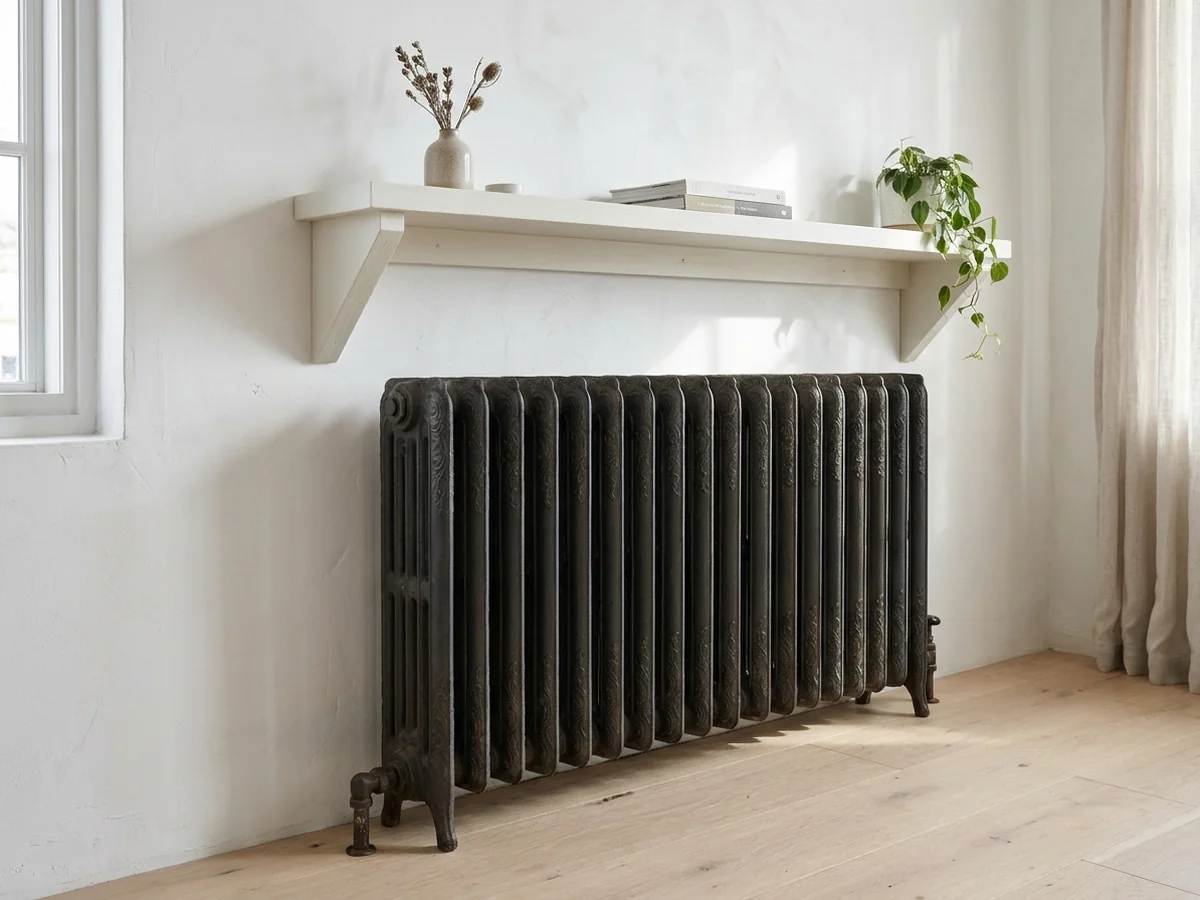
- Maintain room warmth by ensuring proper radiator cover shelf clearance so your cast iron radiator keeps air moving freely. A gap of at least 4 inches allows a healthy convection current to cycle heat into your living space rather than trapping it against the ceiling.
- Prevent thermal warping by picking solid oak or treated metal that handles constant heat output without bending. Using materials with low thermal expansion rates stops your shelf from sagging or cracking when the heating system works at full capacity.
- Stop wall discoloration by placing the shelf far enough away to let hot air escape before it hits the paint. A well-placed board directs heat into the room instead of letting it dry out and yellow your wall finish directly above the radiator fins.
- Improve safety standards by using sturdy mounting brackets that keep the unit secure and away from flammable objects. Proper wall clearance prevents heat buildup that could otherwise reach unsafe temperatures near curtains or wallpaper.
- Protect thermostat accuracy by keeping the area around your valve open to airflow. When you block the valve with a shelf that sits too low, the radiator shuts off early because it senses localized heat instead of the actual ambient room temperature.
You need to balance style with physics to get the most from your heating system. When you allow for adequate airflow, you maximize the efficiency of your radiator grille and ensure the warmth reaches the center of the room. I have found that a simple 4-inch gap is the sweet spot for most standard home setups. This modest distance stops heat loss through the wall and helps you keep your energy bills predictable throughout the winter months. Always double check that your mounting brackets are rated for high temperatures to keep your setup safe and reliable for years.
Simple Installation Steps

You can improve your room comfort by following these steps for the correct radiator cover shelf clearance. Proper spacing ensures your heating system works at full capacity while keeping your walls safe from heat damage.
First, measure the distance from the top radiator fins to your chosen shelf position. You need at least 4 inches of space to allow the convection current to rise freely. This gap prevents hot air from getting trapped under the wood finish of your shelf.
Next, pick a shelf depth that does not exceed the footprint of your radiator grille. A shelf that is too deep will block the airflow and reduce your total heat output. Sticking to the radiator width keeps the warm air moving into the center of the room instead of heating your wall.
Install your mounting brackets at the recommended height to allow for proper thermal expansion. Metal components and the radiator itself will shift slightly as they heat up. Tight fittings can cause clicking sounds or stress on the wall anchors if you do not leave a small amount of wiggle room.
Finally, test your room air circulation to confirm heat is moving away from the wall. You can place a thin piece of tissue near the gap once the system is running. If the tissue flutters outward, your setup is working correctly. This simple test confirms that your radiator cover shelf clearance is sufficient to maintain the ambient room temperature without forcing your boiler to work harder. Keeping this clear path helps your thermostat valve read the room temperature accurately instead of sensing a false high heat reading from a trapped pocket of air.
By following these steps, you protect your home from unnecessary heat loss while enjoying a functional surface. Your setup will blend into your decor without interfering with the performance of your cast iron radiator.
Proven Thermal Safety

Proper radiator cover shelf clearance stops heat from getting trapped against your wall. You protect your paint and your wallpaper from peeling.
Leave at least 4 inches of vertical space between the top of your cast iron fins and the bottom of your floating shelf. This specific gap lets warm air move freely into the room.
- Join thousands of homeowners who have optimized their heating systems using our verified clearance measurements.
- Our advice is based on standard convective heat transfer physics used by professional heating installers.
- Keep your thermostat valve accurate by stopping rising heat from pooling directly underneath your furniture.
- Maintain high heat output without wasting energy or risking fire hazards on the wall.
Good convective heat transfer keeps your ambient room temperature stable all winter long. Your cast iron radiator warms the space efficiently when air currents flow upward without any obstruction.
Measure your wall clearance before you screw in your mounting brackets. You avoid costly mistakes and keep your home safe.
FAQ
What is the minimum safe vertical gap?
You need at least 6 inches of radiator cover shelf clearance to allow heat to rise properly. This vertical space ensures the convection current flows into your room rather than getting trapped against the wall. Anything less creates a heat pocket that can damage your paint or wallpaper.
Does a deeper shelf reduce heat output?
A shelf that extends beyond the width of your cast iron radiator acts like a roof. It forces warm air to travel further out before it can rise, which may slightly lower your total heat output. Keep your shelf depth within 1 inch of the radiator depth to maintain maximum efficiency.
Does it interfere with my thermostat valve?
Installing a shelf directly above a radiator can trick your thermostat valve into thinking the room is warmer than it actually is. Heat rising and hitting the underside of the shelf warms the sensor prematurely. Mount your shelf at least 8 inches above the valve to help the unit read the true ambient room temperature.
Which materials prevent heat damage?
Solid wood is the best choice for a shelf above a radiator because it handles thermal expansion better than synthetic materials. Avoid cheap particle board or veneers that may peel or warp under constant heat. If you use a stained wood finish, apply a high quality heat resistant sealant to keep the surface looking new for years.
Is there a risk of fire or wall damage?
With the correct radiator cover shelf clearance, there is no fire risk. Modern cast iron units rarely reach temperatures high enough to ignite wood. The real danger is long term wall scorching or cracking from trapped heat, which is why a proper gap is vital for protecting your home finishes.
Optimise Your Heating
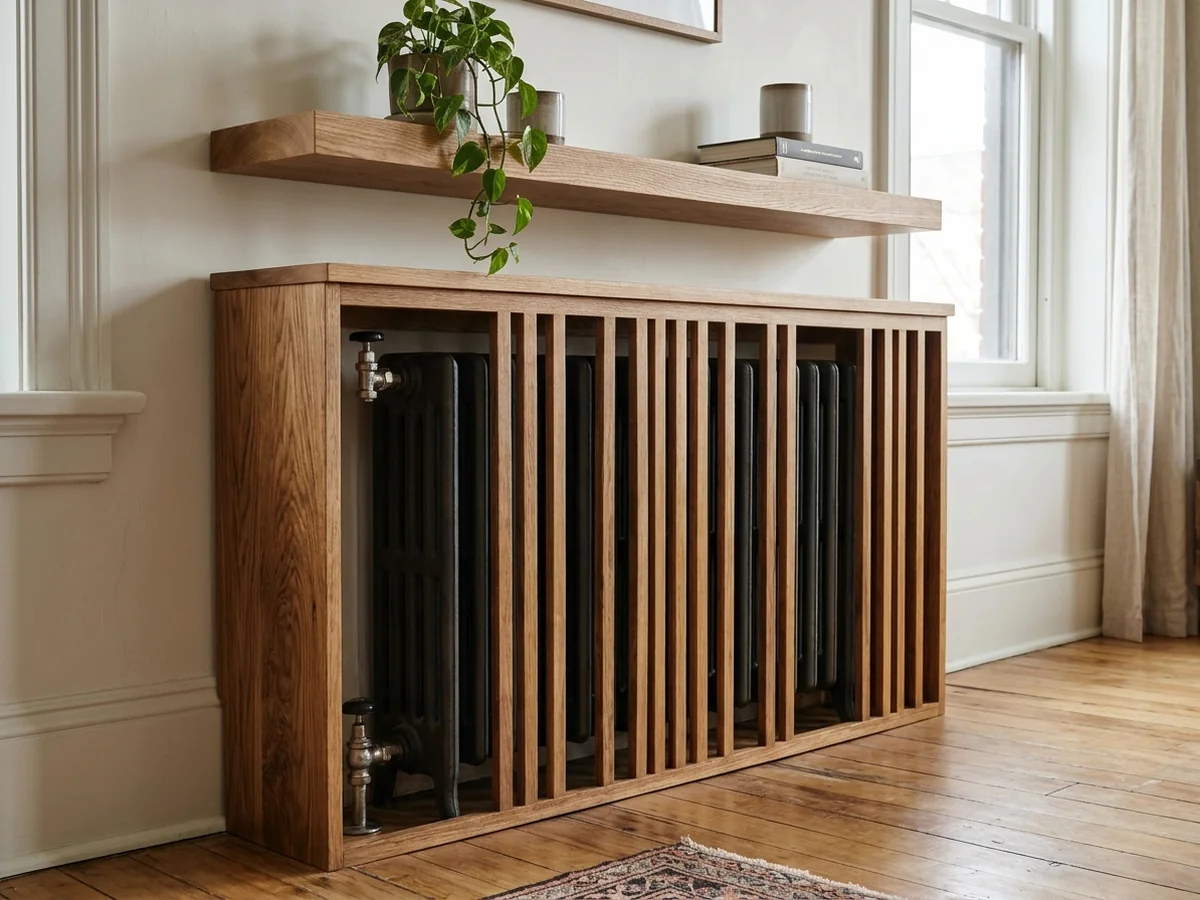
You need a radiator cover shelf clearance of at least 4 inches to keep your room warm. This gap allows air to circulate properly and prevents heat from getting trapped against your wall. Without this space, your cast iron radiator cannot push warm air into the room effectively.
Trapped heat creates several problems for your home. It can cause your thermostat to read the wrong temperature, leading to higher energy bills. It also risks damaging your paint or wallpaper through constant overheating. Our radiator shelf installation guide helps you avoid these common traps by focusing on physics, not just looks.
Proper airflow is the secret to a comfortable home. When you mount a floating shelf, you interrupt the natural convection current. A 4-inch space ensures the air flows up and out instead of heating the underside of the wood finish. This simple change keeps your heating system working at full capacity.
Follow these steps to ensure your project is a success:
- Check for a 4-inch vertical gap above the radiator fins.
- Use heat resistant mounting brackets for stability.
- Ensure the shelf depth does not exceed the radiator width.
- Leave room for the thermostat valve to remain accessible.
We want your DIY project to be both beautiful and safe. Download our measurement chart today to get the exact layout for your specific setup. You will get the peace of mind that your home is heated efficiently without risk to your walls. Start your project now by clicking the link below.
Download the Measurement Chart Here
For another perspective, this detailed piece on Over Radiator Shelf is worth a read.
You might also like: Can You Put a Wood Dresser Directly in Front of a Hydronic Baseboard?