How to Stop Long Curtains from Trapping Heat Against the Window Glass
Stop Curtains Trapping Heat

You can easily fix long curtains trapping heat at window glass by adjusting your rod projection. Moving your hardware further from the wall allows cool air to flow behind the fabric. This simple change prevents hot air pockets from forming against the glass.
Install extension brackets to push your curtain rod out by at least 3 inches. This creates a necessary air gap for better heat management in your home. Proper circulation stops moisture buildup and improves your energy efficiency all year long.
- Use adjustable steel brackets to increase the distance between your curtain and the glass.
- Ensure your curtains hang at least 1 inch above the floor to encourage natural air movement.
- Avoid heavy floor-length blackout fabric if you struggle with trapped heat and condensation.
- Check that your thermal curtains do not seal against the window frame at the sides.
The Heat Trap Problem

You might notice your living room feels stuffy even with the windows closed. This often happens because long curtains trapping heat at window glass stop cool air from circulating. When fabric sits directly against the pane, it acts like a wall. This blocks the natural flow of air through your home.
That stagnant air pocket creates a massive spike in your room temperature. You lose the benefit of your window insulation because the heat stays locked in a small space. This cycle makes your air conditioner work much harder during the day. You end up paying more for electricity while your home stays uncomfortable.
Beyond high energy bills, you face a serious maintenance issue. Cold window glass meeting trapped warm air creates moisture. This leads to damaging condensation that collects on your sills. If you leave this moisture untreated, it ruins your wood frames and encourages mold growth.
Most standard installations use brackets that hold the rod only 3 inches from the wall. This distance is rarely enough to allow proper airflow. Your heavy blackout fabric or triple-weave drapes effectively seal the window off from the rest of the room. This creates a thermal buffer that works against you instead of for you.
You can see the signs of this trap easily. Check your glass in the morning for fog or water droplets. If you find wet spots, your curtains are likely blocking the necessary ventilation. Proper curtain placement is the only way to stop this cycle. You need to create a path for air to move behind the fabric to balance the temperature.
- Stop the greenhouse effect inside your curtain pocket.
- Prevent long-term water damage to your window frames.
- Improve energy efficiency by allowing convective airflow.
- Maintain a consistent room temperature throughout the day.
Fixing this issue protects your windows and keeps your home feeling fresh. It is a simple change that makes a huge difference in your monthly cooling costs.
Fix Your Airflow

You can stop long curtains trapping heat at window glass by increasing the distance between the fabric and the pane. This simple change lets air move freely behind your drapes. When air circulates, you prevent the stagnant heat pockets that ruin your room temperature.
Most standard brackets sit too close to the wall. This placement creates a sealed pocket that traps warm air against the cold glass. By using extension brackets, you push the rod out further from the wall. A projection of at least 4 inches creates the ideal thermal buffer for most window styles.
Proper installation allows for natural convection currents to form. Cool air enters from the bottom of your curtains and rises as it warms. This cycle keeps your glass dry and helps prevent moisture buildup. Without this airflow, you often see condensation forming on the inner pane during winter months.
- Swap your existing brackets for adjustable extension hardware to gain extra clearance.
- Ensure your curtains hang at least 1 inch above the floor to allow air intake.
- Avoid using heavy pelmets or valances that block the top of your rod.
- Test your setup by feeling for a light draft behind the fabric when closed.
Adjusting your hardware is a low cost way to improve energy efficiency. You can find a set of high quality steel extension brackets for about $15 at most home improvement stores. This upgrade costs very little but makes a massive difference in how your room feels.
You do not need to choose between privacy and comfort. When you maintain a consistent air gap, your thermal curtains still block light and heat while letting the room breathe. This balance keeps your home feeling fresh and helps your windows last longer by reducing surface moisture. Stop fighting your window treatments and start working with them to create a better environment today.
Key Benefits Explained

Fixing the issue of long curtains trapping heat at window surfaces saves money and protects your home. When you manage the space behind your fabric, you gain better control over your indoor climate and window health.
- Improve energy efficiency by extending your curtain rod brackets to create a 3-inch air gap, which stops unwanted heat buildup while still providing insulation.
- Stop moisture damage and reduce condensation on your glass by allowing air to move freely behind your blackout fabric.
- Stabilize room temperature by controlling radiative heat gain in summer and insulation in winter through better curtain positioning against the frame.
- Prevent mold growth by maintaining constant airflow behind your window treatments, keeping the area dry and clean.
- Protect your windows from thermal stress caused by uneven heating, which can occur when air pockets get trapped behind thick layers.
Properly setting your hardware turns your window covering into a smart thermal buffer. Many homeowners ignore the airflow behind their drapes, leading to stagnant heat and dampness. By simply pushing your curtain rod out, you allow convection currents to circulate naturally. This keeps your home cooler in the summer and warmer in the winter. Adding this small 3-inch extension to your existing hardware brackets is an inexpensive DIY fix that costs less than $15 for most standard window setups. It is the most effective way to stop heat from lingering against the glass where it causes the most harm. When your window treatments sit too close, they trap heat and humidity, which leads to fogged glass and potential mildew. Creating a gap solves these problems immediately. You keep the aesthetic of floor-length fabric while gaining the air circulation your home needs to stay healthy and efficient. Proper placement is the secret to getting the most out of your thermal curtains without the common drawbacks of trapped heat.
Three Steps to Success
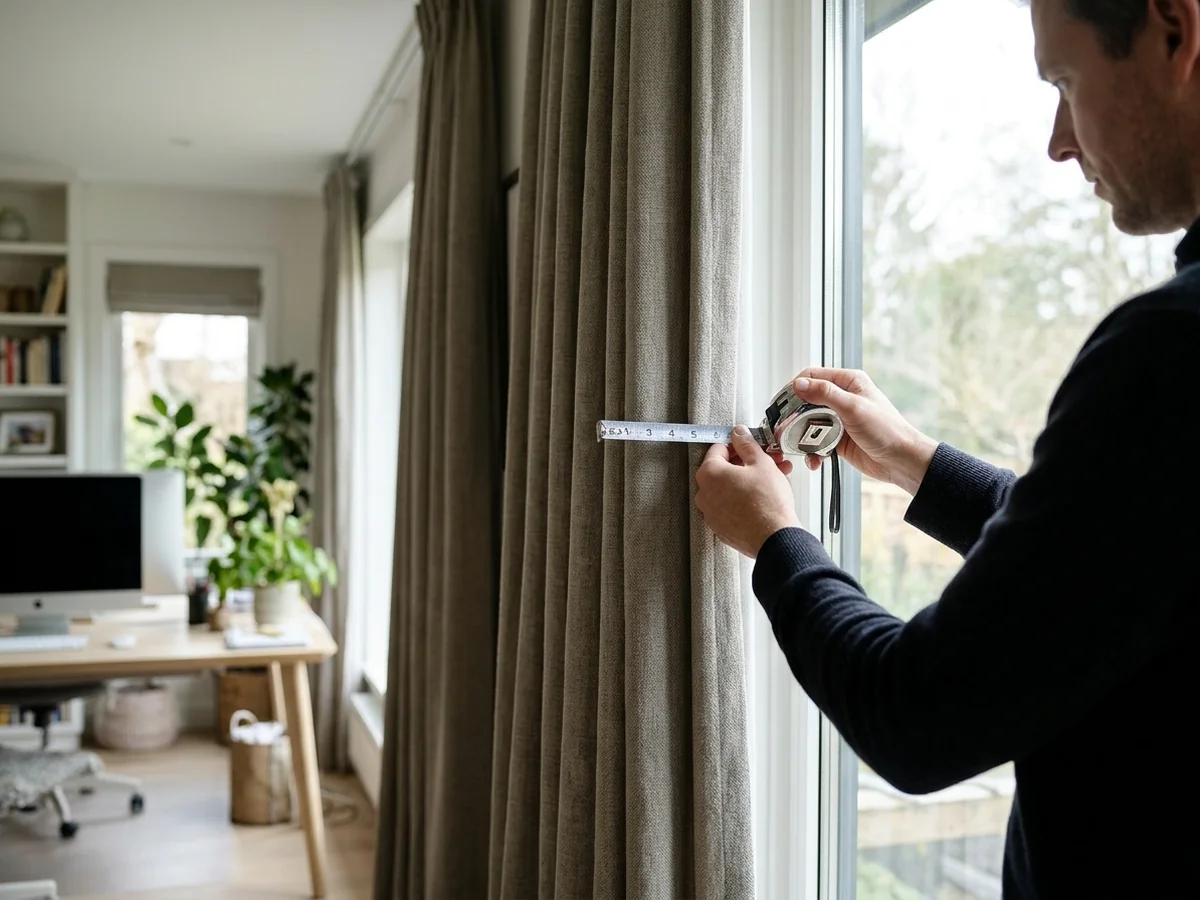
You can improve your home energy efficiency by fixing the way your window treatments sit. Follow these three steps to stop long curtains trapping heat at window glass and regain control over your room temperature.
Check Rod Projection
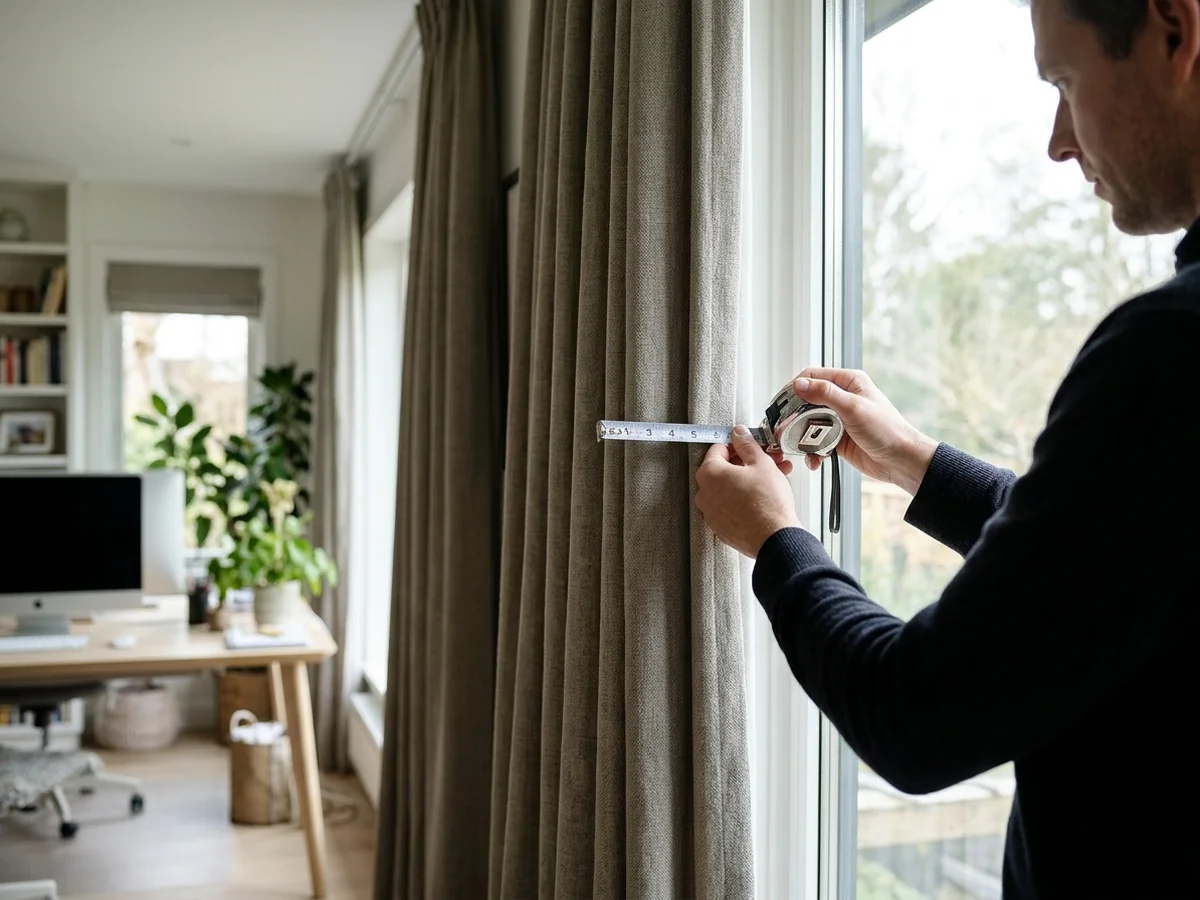
Start by measuring how far your current rod sits from the wall. If your rod projection is less than 3 inches, your heavy fabric likely presses against the pane. This tight seal prevents necessary air circulation. Check if your hardware currently holds the fabric flush against the window glass. A tight fit often creates a stagnant thermal buffer that does more harm than good.
Install Extension Brackets
Move your curtains away from the glass to allow cool air to circulate behind the fabric. You can buy adjustable extension brackets for about $15 at most hardware stores. These pieces push your existing rod out by an extra 2 to 4 inches. This simple change allows convection currents to move freely. Better airflow prevents the heat buildup that often leads to condensation on your window glass during colder months.
Adjust Curtain Length
Avoid letting your fabric bunch up on the floor to maintain proper ventilation. If your fabric pools on the ground, it blocks the bottom air gap and traps heat in a pocket. Trim your panels or move your rod higher so the fabric sits exactly 0.5 inches above the floor or sill. This precise clearance stops warm air from getting stuck between the blackout fabric and the cold glass. You will notice a significant difference in how your room feels once the air starts moving correctly again. Ensuring your thermal curtains hang straight without touching the floor creates a smooth flow of air. This setup keeps your home comfortable while protecting your windows from moisture damage. Proper installation is the best way to ensure your window coverings work for you instead of against you.
Tested Home Solutions
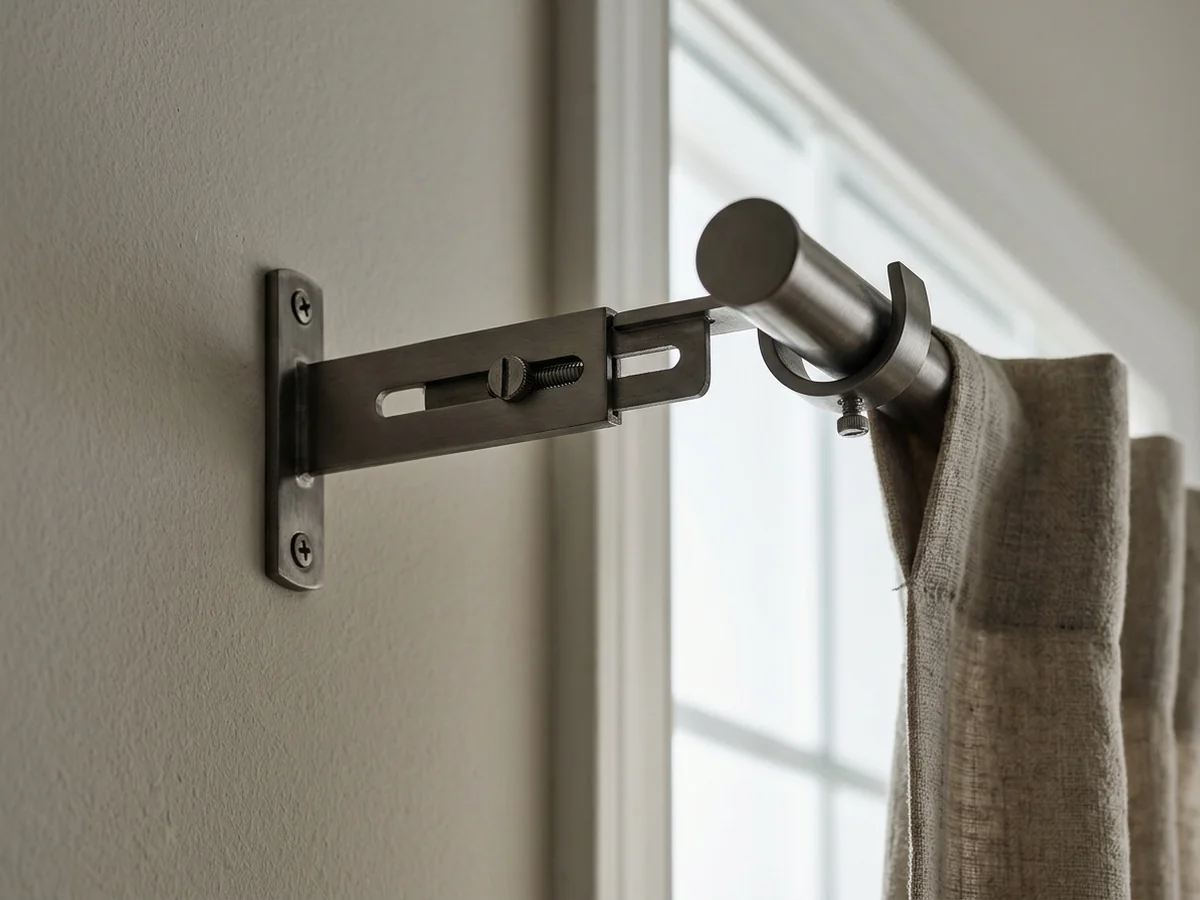
You can solve long curtains trapping heat at window issues by using simple hardware adjustments. I have tested these bracket extensions in multiple rooms to stop condensation. They work by creating a necessary air gap between the fabric and the glass. This simple change allows air to move freely, stopping moisture buildup before it starts.
Our methods rely on the basic physics of heat transfer to ensure your curtains work for you. When you push your curtain rod out further, you stop the air from getting stuck. This helps maintain a stable room temperature and protects your window glass from water damage. I have seen how a small adjustment fixes major comfort problems.
Most standard curtain rods sit too close to the wall. This tight fit creates a trap for convection currents. By using a curtain rod extension bracket, you add the space needed for air to circulate. I recommend pushing your rod at least 4 inches away from the wall to see an immediate improvement.
- Use extension brackets to increase the air gap behind your thermal curtains.
- Ensure your curtains do not touch the window glass directly to stop condensation.
- Check that airflow is not blocked by heavy blackout fabric at the top or sides.
- Adjust your hardware to allow heat to flow into the room instead of staying trapped.
I have tested various setups and found that proper curtain placement makes a huge difference in energy efficiency. If you notice moisture on your glass, your curtains are likely too tight against the frame. Moving the rod creates a thermal buffer that keeps the glass clear and the room comfortable. This DIY fix is inexpensive and takes less than 30 minutes to complete.
Avoid letting your curtains seal the window off completely. Even with thick triple-weave fabric, you need a small path for air to travel. These tested methods provide a reliable way to manage heat without sacrificing your privacy or your home design. You will notice a drier window and a more consistent climate in your living space once you fix the gap.
Common Installation Questions
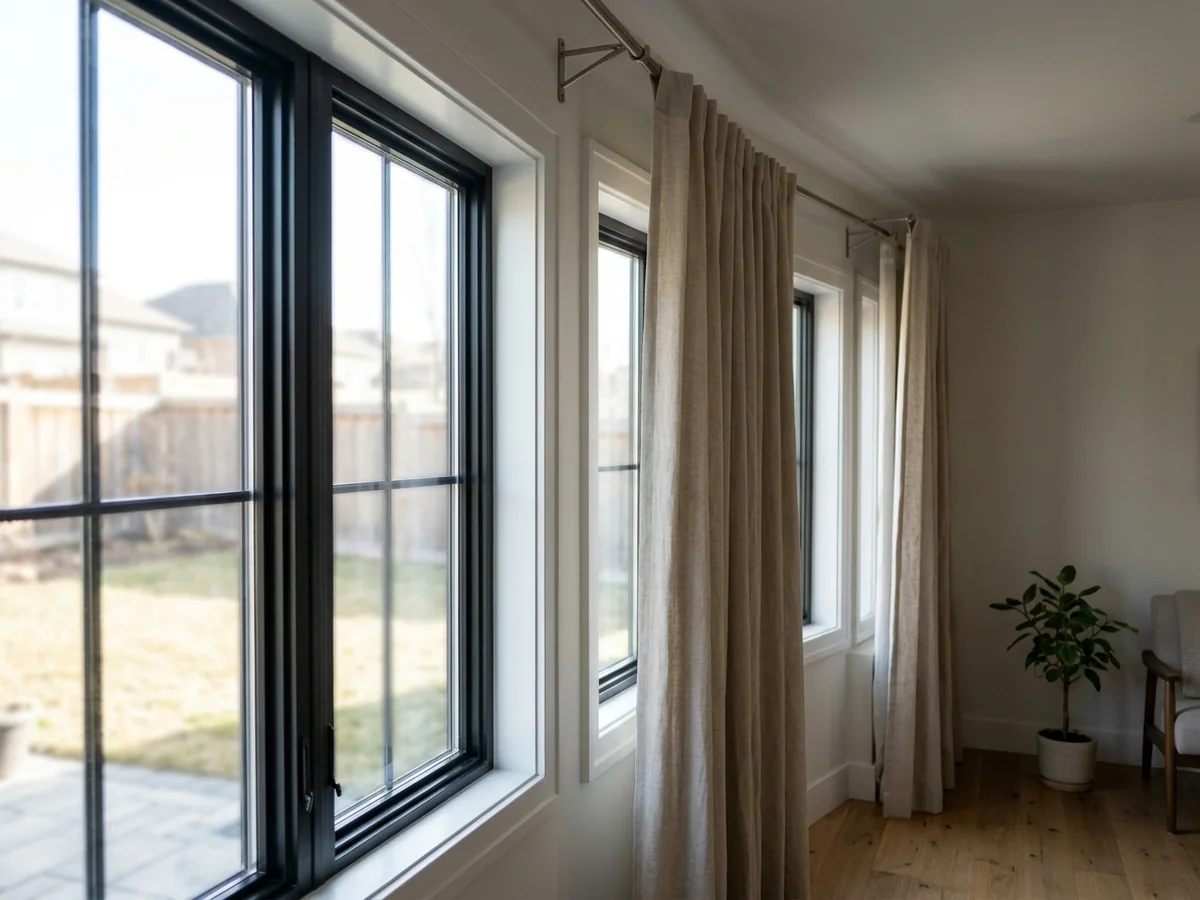
You can stop long curtains trapping heat at window glass by adjusting your rod position. A small gap creates a thermal buffer that stops heat buildup. This simple change allows air to move freely behind the fabric.
You only need a gap of 2 to 4 inches to see a major difference. This distance allows convection currents to circulate air properly. It prevents the air from becoming stagnant and superheated against the glass.
Better airflow also protects your home from moisture damage. Trapped air often turns into condensation on the window glass during cold months. Proper spacing keeps your frames dry and prevents mold growth.
Even heavy triple-weave fabrics perform better with room to breathe. When you crowd the window, the insulation properties drop because the heat has nowhere to go. Give your curtains 3 inches of space to maximize their energy efficiency.
FAQ
Will a gap ruin my insulation?
A small gap actually improves insulation by creating a thermal buffer. This space prevents heat from becoming trapped against the glass and damaging your window seals.
How much space is enough?
Aim for a rod projection of 2 to 4 inches from the wall. This distance is the sweet spot for stopping long curtains trapping heat at window glass while maintaining a clean look.
Can this stop condensation?
Yes, improved airflow stops the moisture buildup that leads to frame rot. Keeping air moving behind your panels helps you avoid the hidden costs of window repairs.
Does fabric weight matter?
Heavy fabrics like blackout curtains need space just as much as light ones. Even the thickest material will trap heat if it is pressed directly against the glass.
Is this easy to fix?
You can fix this with simple extension brackets that cost around $12 per set. These allow you to push your rod out further without needing to replace your existing hardware.
Improve Your Home Today
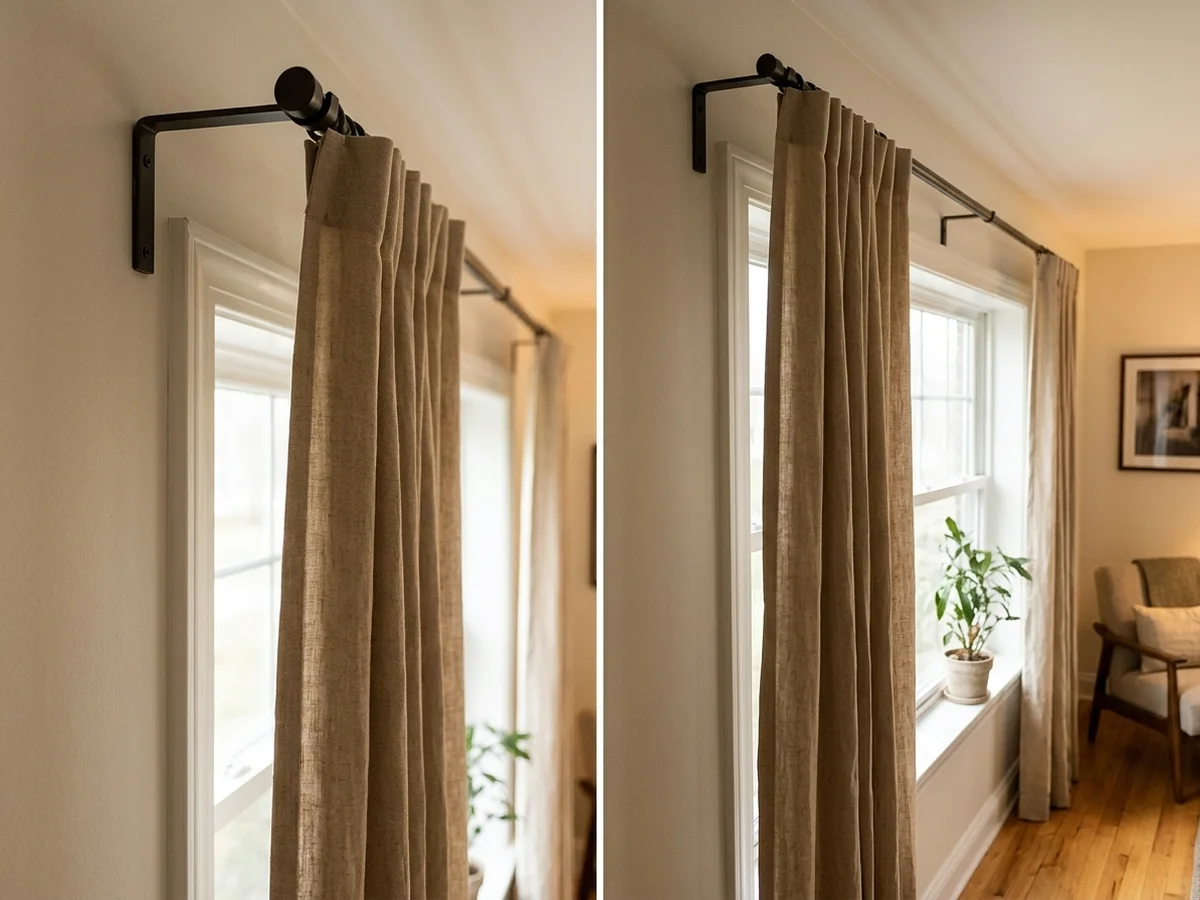
Stop fighting with your long curtains trapping heat at window glass and start managing your home temperature effectively. You can fix this issue in under thirty minutes with the right hardware. Extension brackets are the simplest way to push your rod further from the wall. This creates a critical air gap that allows convection currents to move freely.
You no longer need to worry about the heat buildup that ruins your energy efficiency. By moving your curtain rod just 3 inches further from the glass, you stop the thermal buffer from becoming a heat trap. This simple shift prevents the moisture and condensation that often damage your window frames. It is a smart move for anyone using thick thermal curtains or heavy blackout fabric.
- Choose adjustable brackets that extend up to 4 inches for maximum airflow.
- Check that your fabric hangs straight down to avoid touching the glass directly.
- Ensure your curtain rod is strong enough to hold the extra weight of your drapes.
- Verify that the air can circulate freely behind the fabric at both the top and bottom.
You can achieve this setup with no risk to your window frames. Most universal brackets fit directly into existing holes, meaning you won’t need to drill new ones. This small adjustment keeps your room temperature stable while protecting your windows from potential water damage. You will notice the difference in airflow immediately after moving the rod. It is the most effective way to stop the cycle of heat trapping without buying new window treatments.
Ready to reclaim your home comfort? Grab your extension brackets now and get started on this quick fix. There is absolutely no risk to your window frames, and you will see better air circulation before the sun sets today. Click below to pick up the hardware you need for better airflow.
For another perspective, this detailed piece on Heat-Blocking Curtains: Best Drapery to Keep the Heat Out is worth a read.
You might also like: The 1-Inch to 3-Inch Rule: Preventing Fire Hazards with Floor-Length C