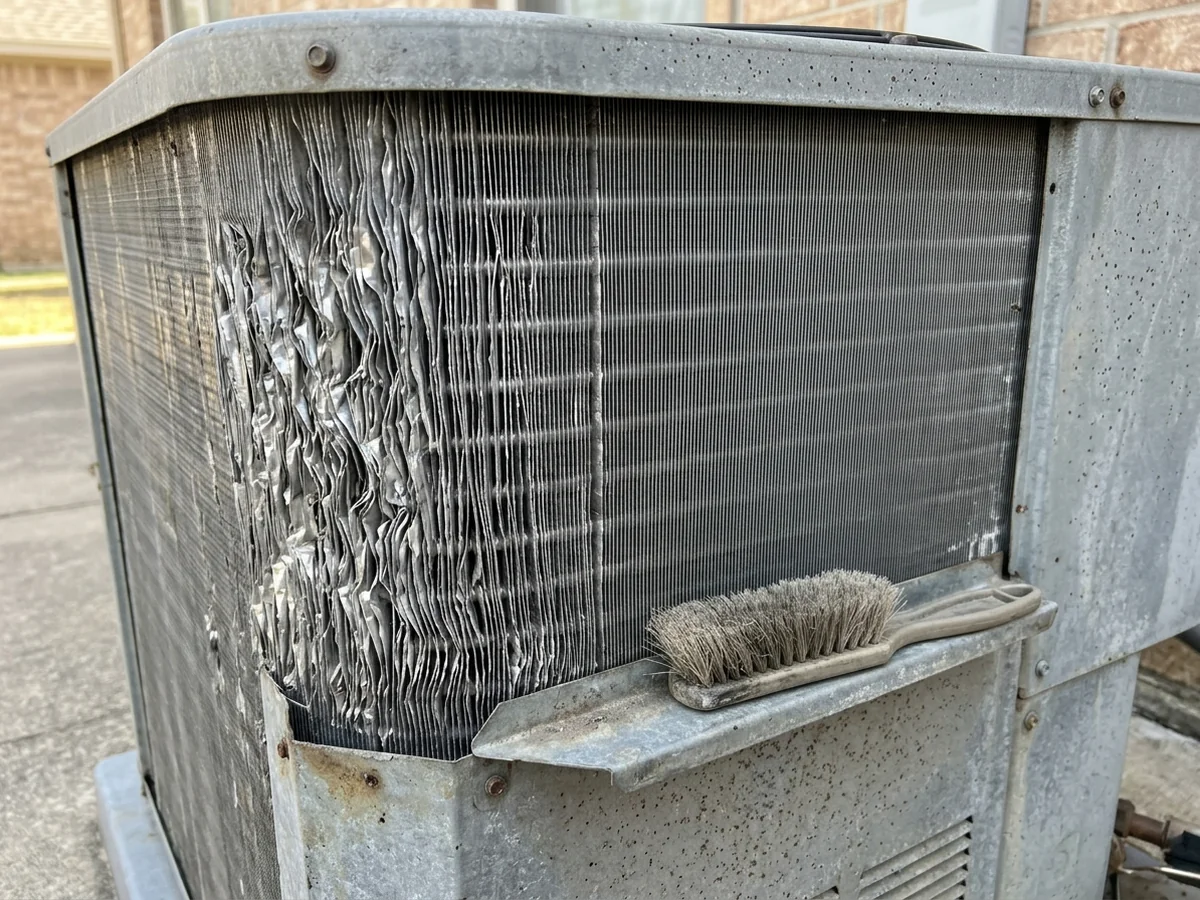
How to Straighten Bent Aluminum Fin Tubes to Restore Maximum Airflow
Straighten Bent Aluminum Fin Tubes
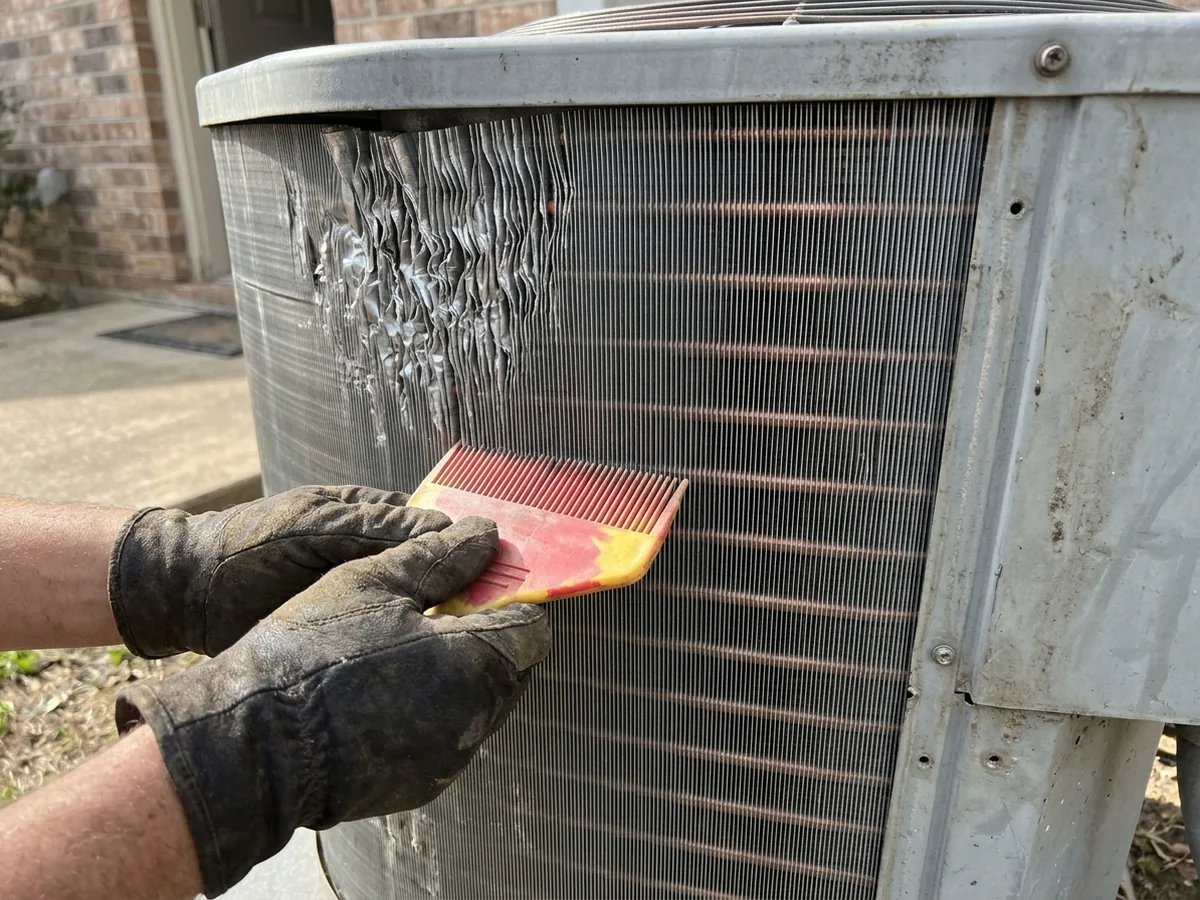
You can restore your system cooling capacity by fixing crushed fins without damaging the delicate aluminum structure. Using the right technique helps you straighten bent aluminum fin tubes to stop your HVAC unit from overheating and restore efficient airflow immediately.
Crushed fins block the heat transfer process and force your motor to work harder than necessary. Repairing this damage improves your energy efficiency and prevents premature system failure. Most homeowners can complete this task using a standard fin comb that costs around $10 at any local hardware store.
- Inspect the condenser coil for areas where flattened fins restrict air intake.
- Select the tooth setting on your fin comb that matches the fin density of your unit.
- Insert the comb gently at the top of the damaged section.
- Pull the tool downward in one smooth motion to align the metal.
- Avoid using excessive force to prevent snapping the fragile aluminum.
- Use a plastic pick or tweezers for tight corners where the comb does not fit.
- Verify that you have not punctured the refrigerant lines hidden behind the fins.
If you notice the actual copper tubing underneath the fins is kinked or cracked, stop your work and call a licensed professional. You should only fix flattened condenser fins when the damage is limited to the thin aluminum slats. Once the fins are straight, your system can dissipate heat properly and run at its intended capacity. Regular maintenance keeps your cooling system running for years without the high cost of a full unit replacement.
Why Airflow Matters
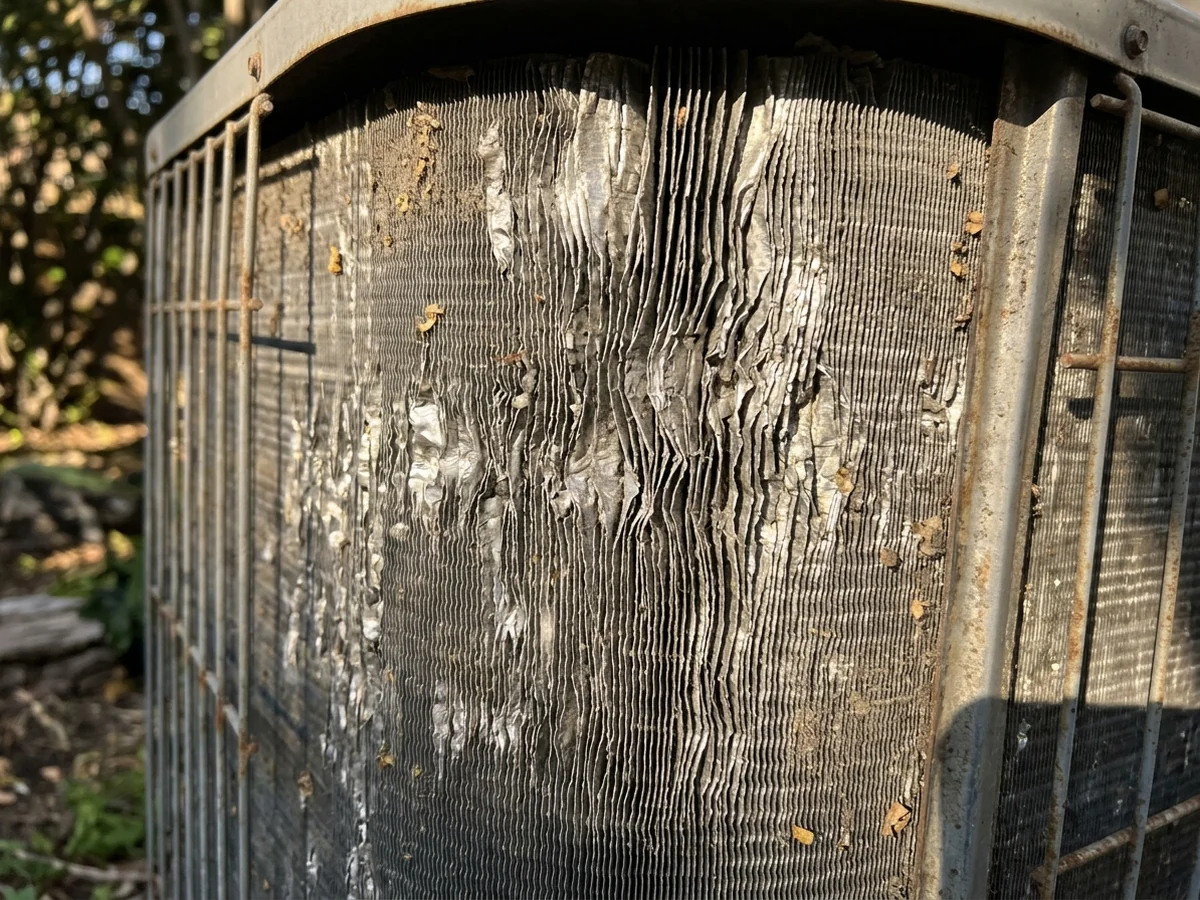
Your cooling system relies on steady air movement to pull heat away from your home. When you have flattened fins, you create a solid wall that blocks air from passing through your condenser coil. This obstruction forces your fan motor to work much harder to move the same volume of air.
You lose cooling capacity the moment air gets trapped behind these damaged sections. If your unit cannot dump heat efficiently, the internal pressure rises rapidly. This leads to system overheating and puts extreme stress on your compressor. Repairing these fins is not just about looks. It is about saving your equipment from a premature breakdown.
Consider these impacts on your cooling system:
- Reduced heat transfer makes your unit run longer cycles to reach the set temperature.
- Excessive strain on the motor increases your monthly electricity bill by an average of 10 percent.
- Mechanical deformation prevents the system from reaching its design efficiency.
- Neglecting minor damage can lead to permanent metal fatigue in the delicate aluminum structure.
When you take the time to straighten bent aluminum fin tubes, you restore the original path for air to flow. Proper airflow allows the heat exchanger to function as intended. This simple maintenance task protects the structural integrity of your coil and keeps your cooling bills predictable.
If you leave the fins crushed, the heat stays trapped inside the refrigerant lines. This heat buildup is the primary cause of compressor failure in residential HVAC units. You can prevent this expensive repair by carefully realigning the fins as soon as you spot the damage. Restoring airflow is the most effective way to ensure your cooling unit lasts for its expected 15 year lifespan.
Restore Your Cooling Efficiency
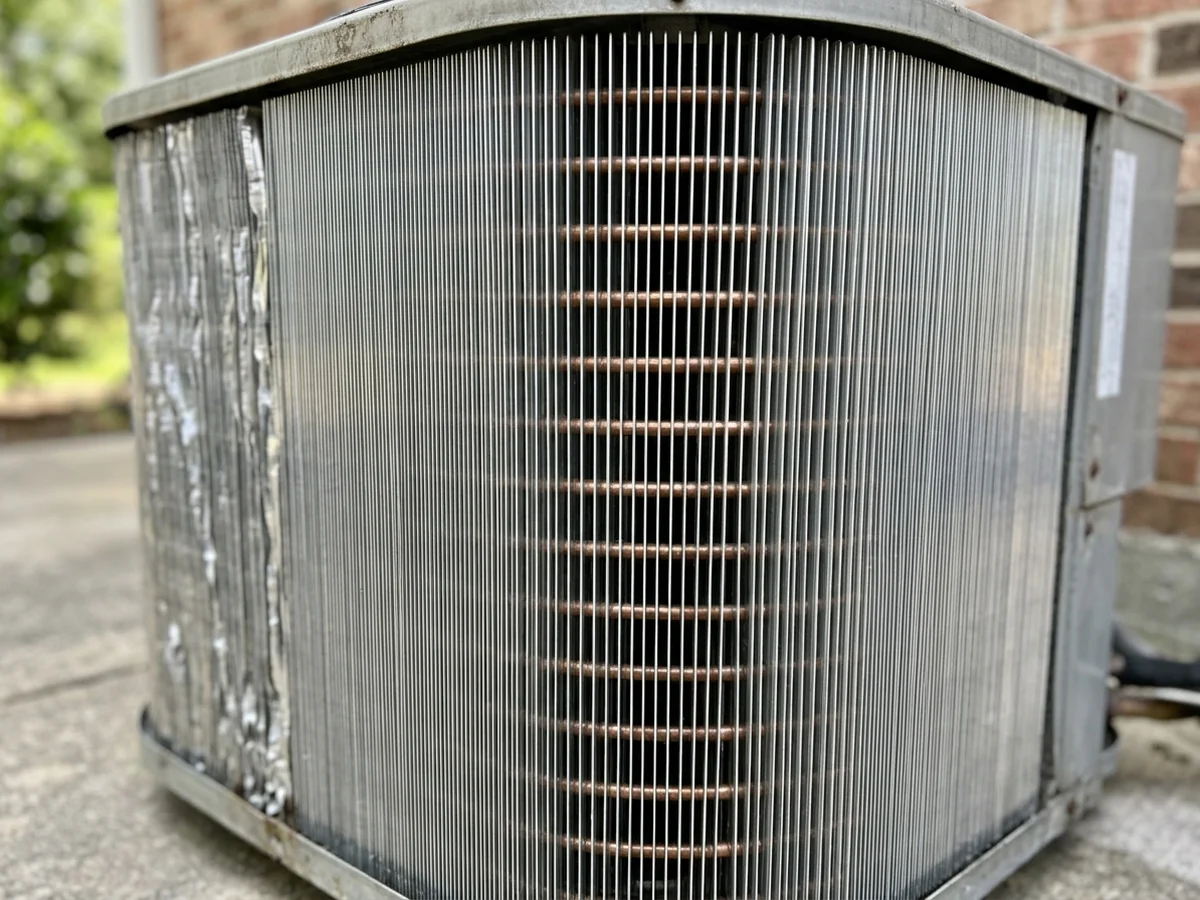
You can straighten bent aluminum fin tubes yourself to boost your HVAC system cooling capacity. Clearing these obstructions immediately restores airflow and helps your unit run cooler during hot summer days. Proper maintenance stops your condenser coil from overheating and lowers your monthly power bill.
Before you start, inspect the area closely. You must distinguish between cosmetic fin damage and real structural tubing issues. If you see a crack in the copper line or signs of oil leaking, stop immediately and call a professional. Never touch the refrigerant lines with metal tools. A bent radiator fin repair is a simple surface task, but a punctured tube is a major mechanical failure that requires a licensed technician.
Use these methods to safely fix flattened condenser fins:
- Fin Combs: This specialized tool is the safest way to align multiple fins at once. Most kits cost around $15 and include different sizes to match your specific fin density.
- Plastic Picks: If you only have a few bent spots, a sturdy plastic pick works well. It is soft enough to avoid puncturing the metal.
- Tweezers: Use thin tweezers for tight corners where a comb does not fit. Be gentle because aluminum becomes brittle with age.
Always move your tool in the direction of the existing fin pattern. Do not force the metal if it resists. Aluminum work hardens and will snap if you bend it back and forth too many times. Focus on consistent, light pressure to guide the fins back to their original vertical position. This allows air to pass through the coil again without resistance. Once the fins are straight, your system can shed heat effectively through better thermal transfer. Improving airflow is the most budget friendly way to extend the life of your entire cooling system. If you notice significant metal fatigue or widespread corrosion, it is time to replace the unit rather than attempting further repairs.
Benefits Of Fin Repair
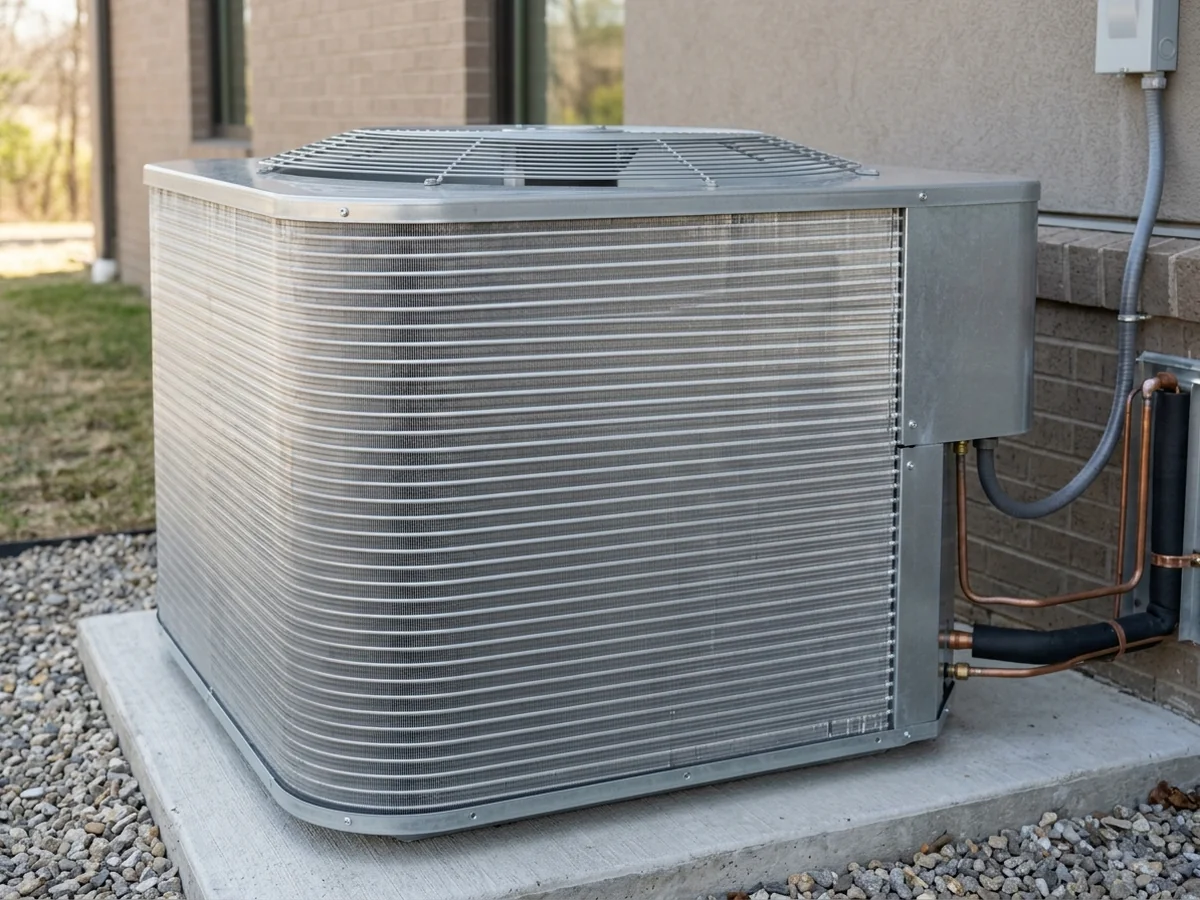
You can restore your system performance by learning to straighten bent aluminum fin tubes. Restoring these delicate parts ensures your condenser dissipates heat efficiently. This simple DIY task protects your HVAC investment while keeping your home comfortable.
- Lower monthly energy bills because an unobstructed condenser coil can transfer heat at its maximum rated capacity.
- Prevent permanent fin rot or metal snapping by using gentle techniques that preserve the structural integrity of thin aluminum.
- Improve the lifespan of your cooling system by reducing the mechanical strain caused by restricted airflow and high head pressures.
- Save hundreds on service calls by fixing minor cosmetic and functional damage on your own schedule using a $10 fin comb.
- Restore optimal heat transfer to ensure your unit does not cycle constantly or struggle during extreme summer heat.
Most homeowners find that cleaning and repairing these fins is the most overlooked part of preventative maintenance. When air cannot flow freely through the heat exchanger, the compressor works harder than it should. You might notice your cooling system runs longer but cools less effectively. This extra work increases internal temperatures and puts stress on vital components. Addressing these small bends early stops the problem from spreading across the entire coil surface. You avoid the cost of a professional technician visit, which often starts at $150 for a basic inspection. Using the right tool allows you to fix a bent area in under five minutes. You will feel the difference in airflow as soon as you restore the proper spacing between each fin. Keeping the fins straight is a smart way to maintain your unit for years to come.
Preparation
Turn off your HVAC unit before you start. This safety step prevents electrical shocks and protects your fingers. Remove all loose debris from the condenser coil surface using a soft brush or a vacuum. You need a clear view of the damage to straighten bent aluminum fin tubes without missing hidden spots. A clean surface makes it easier to spot deep creases in the aluminum.
Tool Selection
Choose the right fin comb for your system to avoid tearing the metal. Most units have a specific fin density measured in fins per inch. You can buy a universal fin comb kit for around $12 that includes multiple sizes. Match the comb spacing to your coil to ensure a perfect fit. Using the wrong size will strip the metal or cause further mechanical deformation. Proper fit is the only way to restore airflow effectively.
Repair Process
Insert the teeth of the comb into the fins at the top of the damaged area. Gently slide your tool through the fins using a steady hand. Move slowly to prevent snapping the fragile aluminum. Keep the tool angled straight to avoid accidental bending of healthy fins. Do not press hard against the hidden refrigerant lines located behind the fins. Puncturing these lines creates a costly leak. If the metal feels stuck, stop and reposition the tool rather than forcing it through. Restoring airflow to bent aluminum fins requires patience and light pressure. Work in small sections until the surface looks uniform again. If you encounter deep bends, use a plastic pick to pull them out manually before using the comb. This helps maintain the structural integrity of the heat exchanger for better cooling capacity.
Repair With Confidence
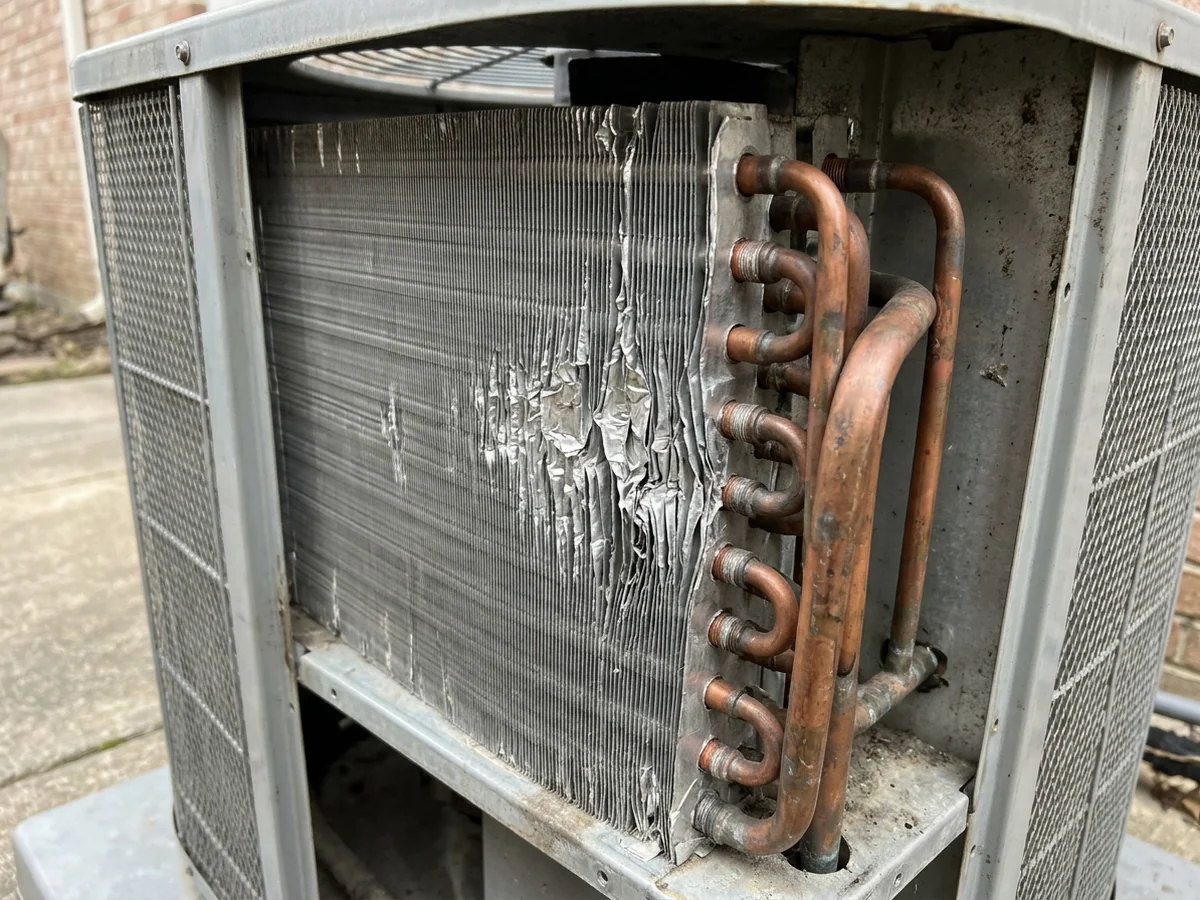
You can straighten bent aluminum fin tubes safely by knowing exactly which parts to touch and which to avoid. The aluminum fins are purely for heat transfer. They sit around the structural tubing that carries refrigerant. Never apply pressure to the actual copper or aluminum tubes. Puncturing a refrigerant line causes a major leak that requires expensive professional repair. Only work on the thin, wavy fins that block your airflow.
Our methods help you avoid common mistakes that lead to system failure. I have seen many people try to force a tool into the coil, which causes irreversible metal fatigue. If a fin is already cracked or brittle from age, do not force it back into place. It is better to leave one small gap than to snap the metal and create a larger obstruction. You should inspect the coil under bright light before you start to see if the metal is too thin to handle pressure.
Professional maintenance technicians use these same guidelines to protect your cooling system. Always use a specialized fin comb designed for your specific fin density. These tools come in various sizes and usually cost under $15. If your coil has 12 to 14 fins per inch, pick a comb that matches that exact spacing. Using the wrong size will crush more fins than it fixes.
- Stop immediately if you feel hard resistance against the tool.
- Use a plastic pick for small, isolated areas instead of metal tweezers.
- Check the structural tubes for any signs of wetness or oil before starting.
- Clean the coil surface of debris before you attempt to straighten the fins.
Taking your time ensures you restore maximum airflow without damaging the delicate structure of your condenser coil. Focus on gentle, steady movements rather than aggressive prying. If you find a section where the fins are flattened against the tubing, work from the top down. This prevents you from accidentally bumping and re-bending the areas you already repaired. Following these steps keeps your HVAC unit running efficiently while keeping your repair costs low.
FAQ
Can I use household tools?
You can use tweezers if you do not have a fin comb. You must be extremely gentle to avoid snapping the thin aluminum. Only use this method for small areas because metal tools often cause more damage than the plastic alternatives.
Will this save me money?
Yes, you will likely see lower energy bills after you straighten bent aluminum fin tubes. Restoring proper airflow allows your condenser coil to transfer heat efficiently. This keeps your compressor from running for unnecessarily long cycles during hot weather.
When is a fin beyond repair?
If the metal is cracked or missing, it is best to leave it alone. Attempting to force these fins back into place often causes further tearing of the base metal. Focus your efforts on the sections that remain structurally sound to protect your heat exchanger integrity.
Does this fix refrigerant leaks?
No, this process does not address any internal system issues. It only fixes airflow obstruction caused by external damage. If you hear hissing or notice oil stains near your unit, call a professional immediately.
How do I avoid damaging the coil?
Work slowly and apply light pressure only to the edges of the fins. Using a tool with a depth of 0.5 inches helps you maintain consistent spacing without puncturing the inner lines. Always move the tool in the direction of the existing fin pattern to prevent new bends.
Is there a risk of system failure?
The main risk is puncturing the refrigerant line hidden behind the fins. If you feel resistance, stop immediately and assess the area. Properly managed DIY repairs are safe, but reckless force can turn a cheap maintenance task into a costly HVAC repair.
Start Your Repair Today
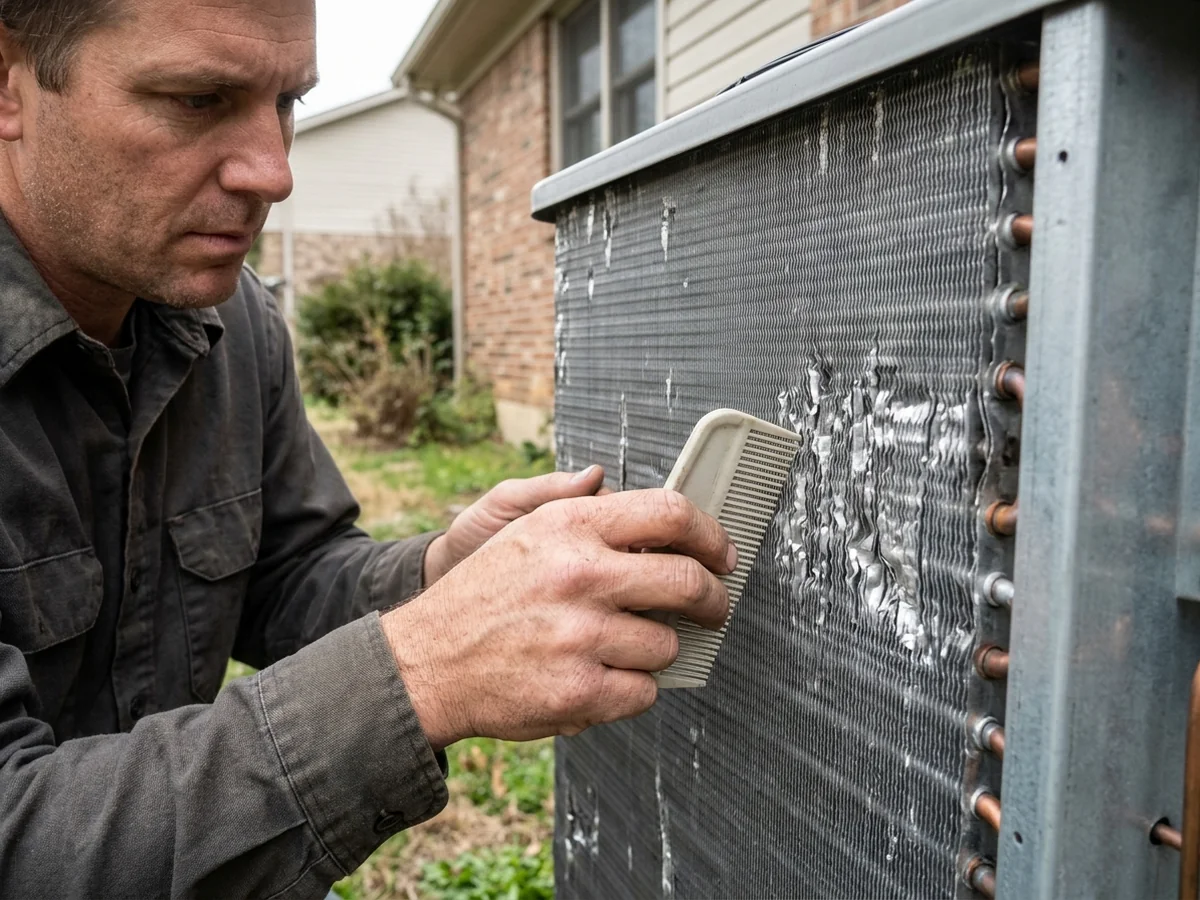
You can straighten bent aluminum fin tubes right now to recover your system cooling capacity. A simple fix restores airflow and lowers your energy bills without needing a technician. You don’t need expensive gear to see results today.
Most homeowners lose efficiency because of crushed fins blocking the heat exchanger. This is a common issue that causes system overheating. You can fix this by using a fin comb or a small plastic pick to gently nudge the metal back into place. Start by identifying the damaged areas on your condenser coil. Work slowly to avoid snapping the brittle aluminum.
When you choose to straighten bent aluminum fin tubes, keep these steps in mind to protect your HVAC unit:
- Check for refrigerant line damage before you start.
- Use a tool that matches your specific fin density.
- Apply pressure only to the fin and never touch the copper tubing.
- Watch for metal fatigue if the fins appear dark or flaky.
I have seen systems struggle to move air because of just a 5 percent blockage in the coil. Removing these obstructions helps your fan run quieter and cooler. If you find a section with heavy crushing, take your time. You can often restore the airflow by working in small, steady motions. This simple maintenance task usually costs less than $15 for a basic tool kit.
Don’t let airflow obstruction drive up your electricity costs. Download our full fin repair checklist to avoid common DIY mistakes and keep your system running smoothly. It is a quick way to ensure you use the right pressure on your delicate aluminum fins. Start your repair today to save money and extend the life of your unit. Click below to grab your guide and begin the process with confidence.
[Download Your Free Fin Repair Checklist Here]
For another perspective, this detailed piece on Best way to straighten bent rectangular aluminum tube? is worth a read.
You might also like: What Happens If Furniture Blocks the Convection Airflow of Baseboard H