Bleeding Air from Hydronic Baseboard Loops to Stop Sloshing Water Sounds
Fix Sloshing Baseboard Heaters
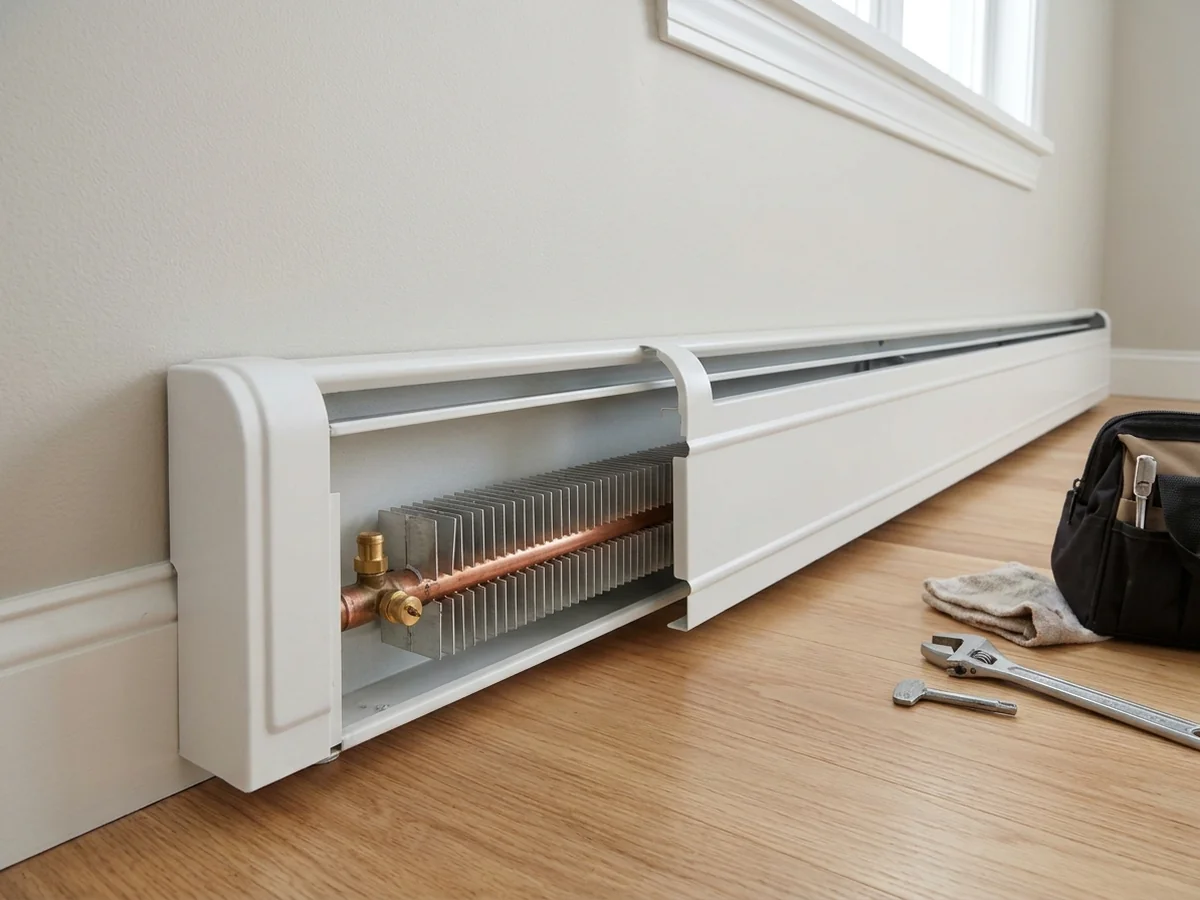
You can stop that annoying gurgling noise and restore warmth to your home by learning to bleed air from hydronic baseboard loops. Trapped air pockets prevent hot water from circulating, forcing your boiler to work harder while leaving your rooms feeling chilly.
Following this simple process improves your heating efficiency and brings back quiet comfort to your living space. You only need a standard radiator key or a flathead screwdriver, a plastic bucket, and a dry rag to get the job done. Most homeowners complete this task in about 20 minutes for a single zone. By clearing these air locks, you protect your circulator pump from unnecessary wear and ensure your pipes run silently throughout the winter months.
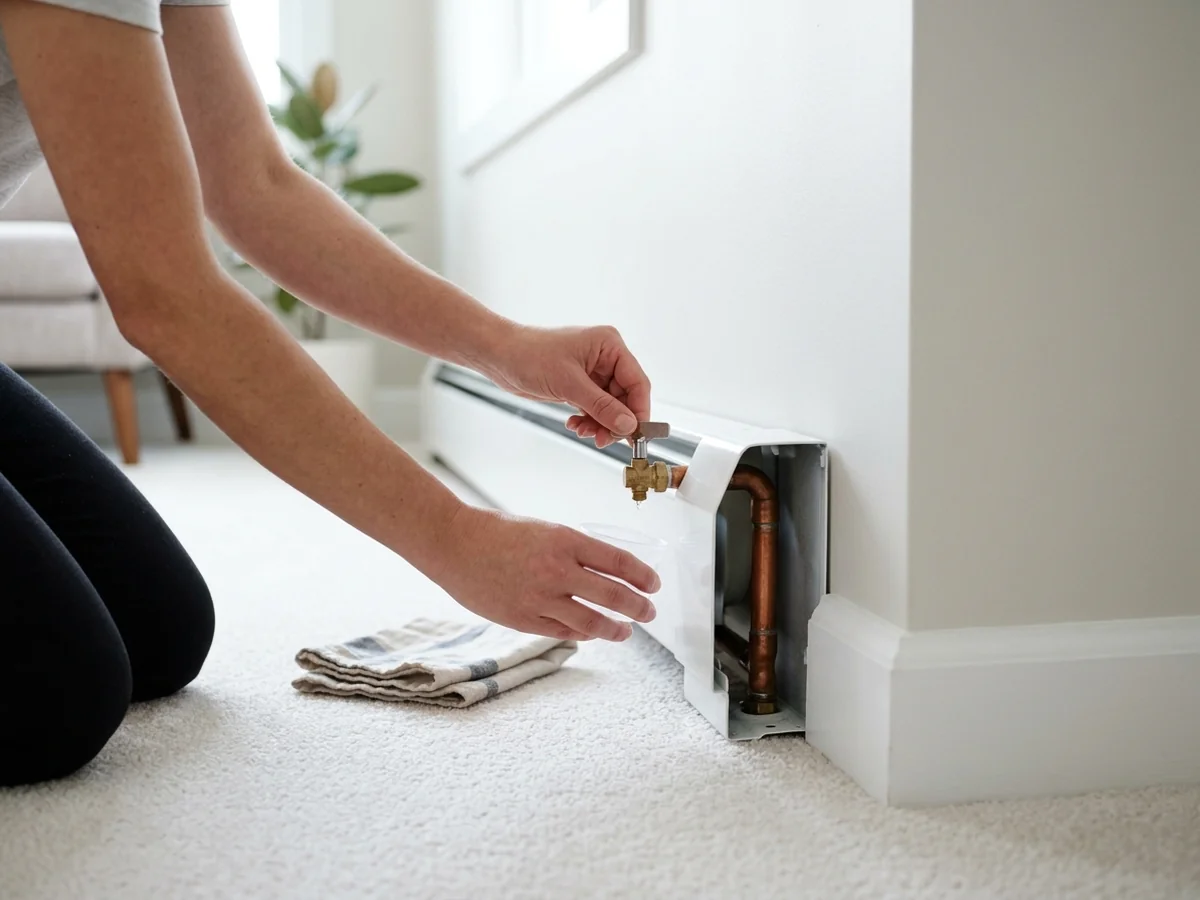
- Locate the small bleeder valve on the end of your heating unit.
- Place a bucket under the valve to catch any escaping water.
- Slowly turn the valve counterclockwise until you hear a hissing sound.
- Wait until a steady stream of water flows out without any spurting air.
- Tighten the valve firmly to prevent future leaks once the air is gone.
- Check your boiler pressure gauge to ensure it stays between 12 and 15 PSI.
If you notice no water comes out or the noise persists, you might have an issue deeper in the return line or at the air scoop. Always perform this work while the system is cool to avoid contact with scalding water. If your baseboard heater lacks a visible bleeder valve, do not force the housing open. You may need to purge the air directly at the boiler using the drain spigot instead. If you are ever unsure about your boiler pressure or notice a leak, reach out to a professional plumber to avoid damaging your heating system. Keeping your pipes clear is the best way to maintain a cozy home all season long.
Stop The Gurgling Sounds
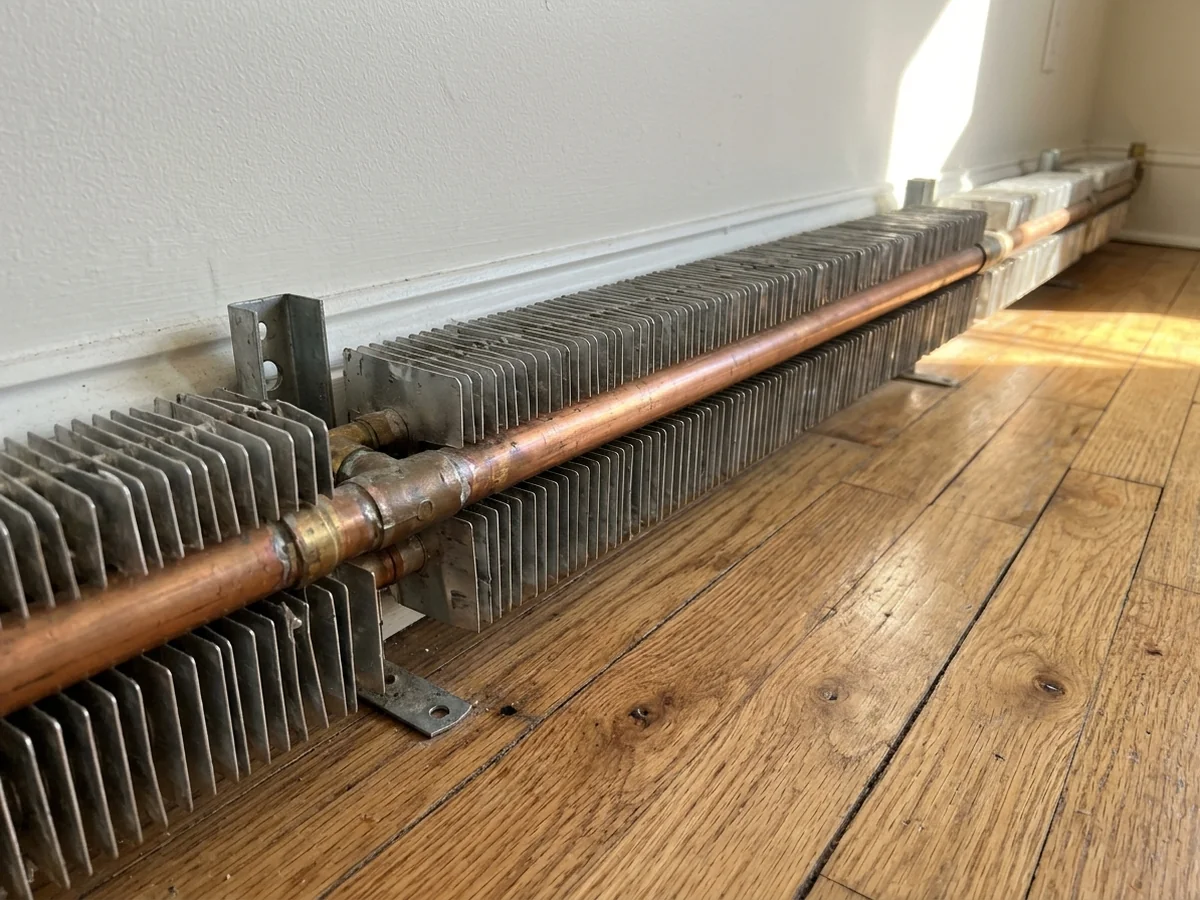
That annoying sloshing sound in your walls means you have trapped air in your baseboard pipes. This air acts like a roadblock for your hot water. It prevents heat from reaching the metal fins of your baseboard units. When your water cannot circulate, your boiler works much harder than it should. This leads to cold radiators and wasted energy costs throughout the winter months.
You can bleed air from hydronic baseboard loops to fix this efficiency problem quickly. Clearing these air locks restores the natural flow of your heating system. It stops the banging and gurgling noises that keep you awake at night. Proper circulation ensures every room in your home stays warm and comfortable. You will save money on your monthly heating bill by allowing your pump to move water without resistance.
Most systems show signs of air locks when the boiler pressure gauge drops below 12 PSI. If you hear water rushing or gurgling, your system is likely struggling to push past these pockets of trapped air. Ignoring these sounds often leads to uneven heating or a complete failure of a specific zone. You do not need to live with a noisy or inefficient home.
- Restore consistent heat to every room.
- Reduce stress on your circulator pump.
- Lower your monthly utility expenses.
- Eliminate loud rattling noises in your walls.
You can usually handle this task with just a few simple tools. A standard radiator key or a flat head screwdriver is often enough to open the valve and release the air. Keep a small bucket and a thick rag nearby to catch any hot water that sprays out. Most homeowners find this process simple to master. It takes less than 15 minutes per zone to clear out the trapped air. Once the water flows out in a steady stream without bubbles, you have successfully removed the air lock. Your baseboards will heat up evenly and your system will run quietly again.
Simple Air Removal Methods
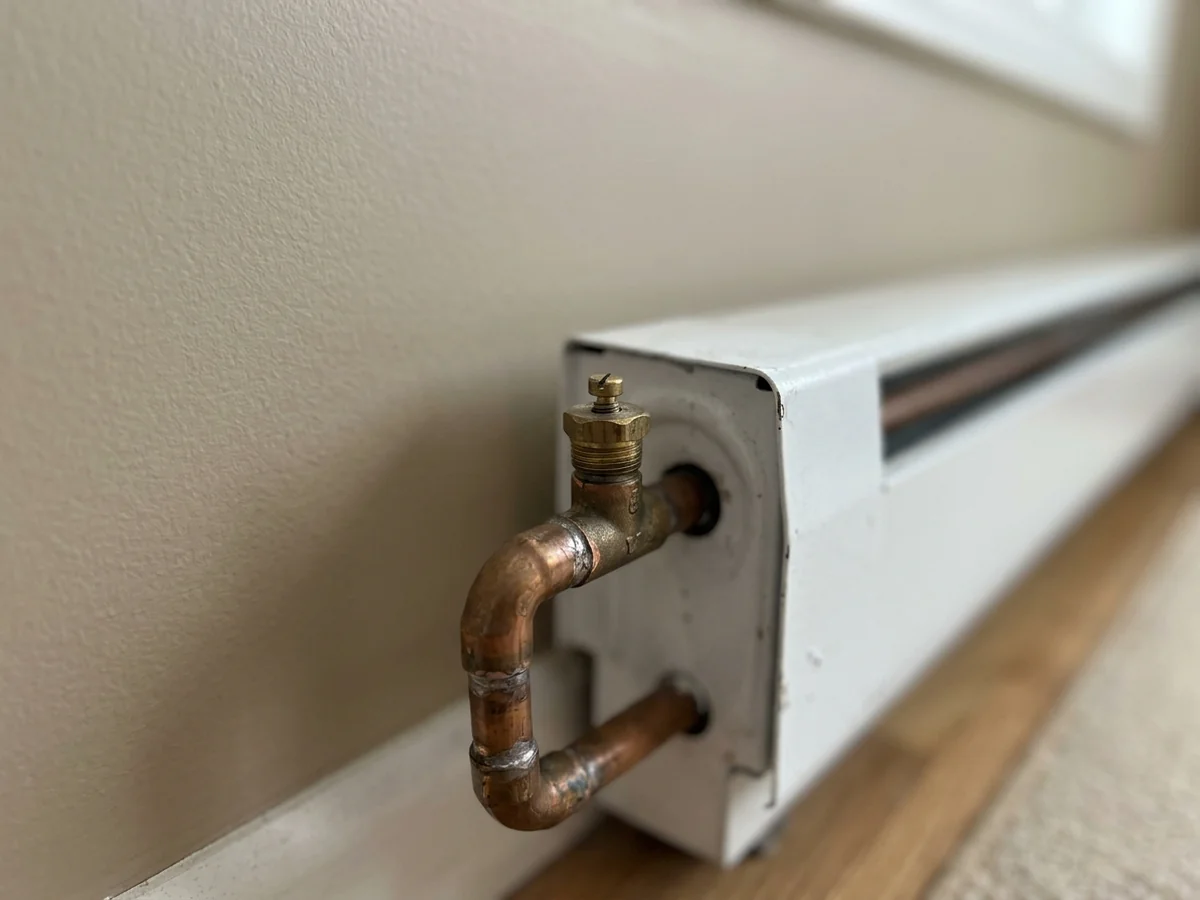
You can bleed air from hydronic baseboard loops quickly to stop that annoying sloshing sound. This process restores warmth to cold zones and keeps your home quiet. You only need a few common tools to finish the job safely.
Before you start, turn off your thermostat to stop the circulator pump. Let the water cool for at least 30 minutes to prevent burns from hot pipes. Gather a standard radiator key or a flat-head screwdriver, a plastic bucket, and a dry rag.
- Locate the bleeder valve at the highest point of your baseboard unit.
- Place your bucket directly under the valve and hold the rag ready.
- Slowly turn the valve counter-clockwise until you hear a hissing sound.
- Wait for a steady stream of water to appear before closing the valve tightly.
Check your boiler pressure gauge immediately after you finish. Most systems should stay between 12 and 15 PSI. If the needle drops below 10 PSI, you might need to add water to the loop. Watch the gauge closely to avoid over-pressurizing the closed-loop system.
Some baseboard units hide the valve behind a metal cover. You may need to snap the front panel off to access the pipe. If you find no bleeder valve, your system likely uses an automatic air scoop near the boiler. In that case, you must purge the air by opening the drain spigot on the return line.
Don’t force a stuck valve if it feels rusted or tight. Applying too much pressure can snap the metal and cause a major leak. If the gurgling persists after three attempts, a stubborn boiler zone air lock might be the culprit. At that point, it is best to contact a local plumber to inspect your zone valves and expansion tank. Taking these small steps keeps your heat running smoothly all winter long without the need for expensive service calls.
Why You Need This
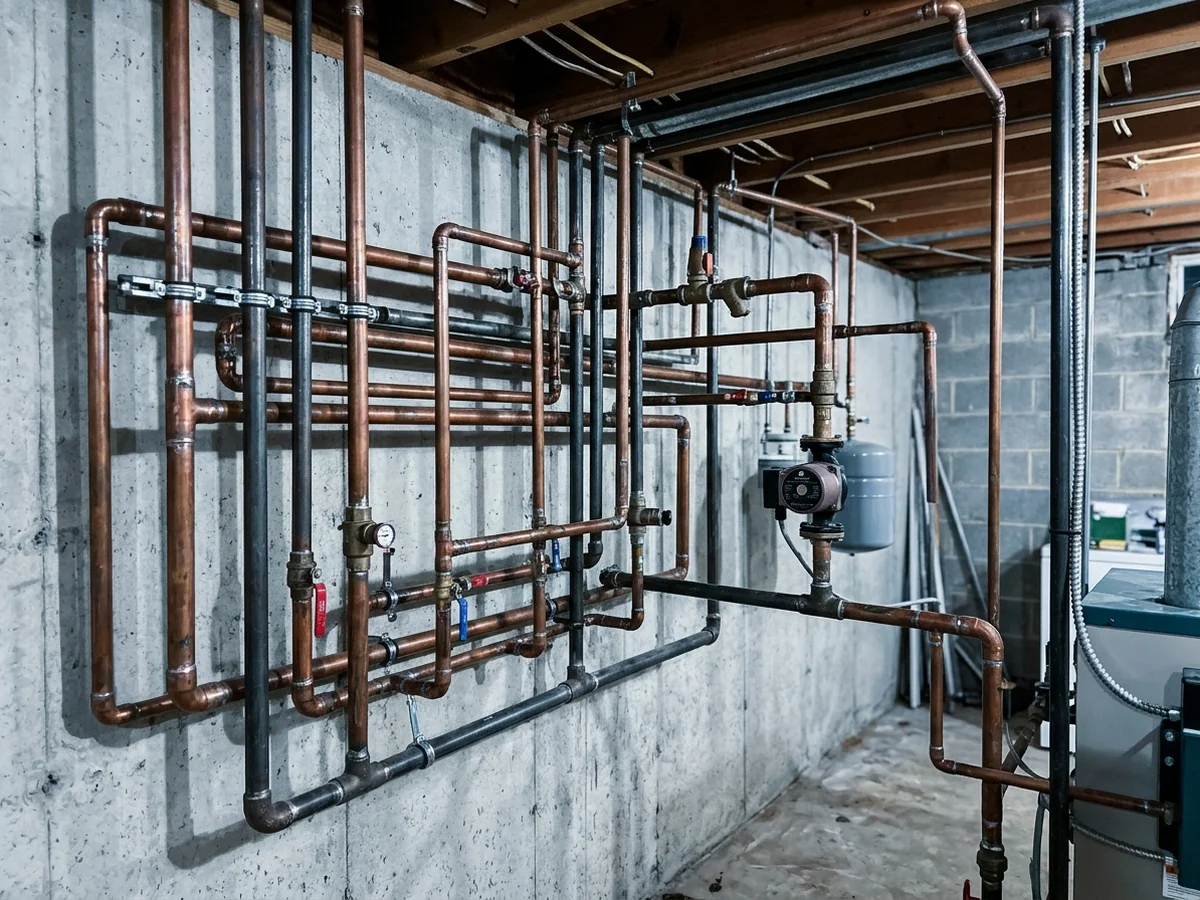
- Stop wasting money on expensive professional service calls when you can fix air locks at home for zero cost.
- Restore heating efficiency so hot water flows through every zone valve and keeps your entire house warm.
- Protect your circulator pump from damage because pumping air instead of water causes premature mechanical failure.
- Maintain safe system pressure by keeping your boiler gauge in the optimal 12 to 15 psi range.
- Avoid scalding risks by following proper cooling protocols before you attempt to bleed air from hydronic baseboard loops.
Those annoying gurgling noises in your pipes aren’t just loud. They signal that your hydronic heating system is working much harder than it should. When trapped air blocks the flow, your boiler burns more fuel while your rooms stay cold. Learning how to remove air from hydronic heating system pipes helps you reclaim your comfort without waiting days for a plumber.
Most homeowners assume a quiet system is just a stroke of luck. In reality, regular maintenance ensures your circulator pump lasts for years rather than months. If you ignore the sound of sloshing water, the air pockets can cause significant wear inside your pipes and valves. You can easily manage this task if you have a basic radiator key or a flathead screwdriver on hand.
Safety is the most important part of this process. Your heating system operates under high pressure and uses near-boiling water. You must verify your boiler pressure gauge readings and let the system cool down before you open any valves. If you aren’t careful, you risk burns or leaks that could damage your floors. By taking control of this maintenance, you ensure that your home stays cozy all winter long. You don’t need a professional to bleed air from hydronic baseboard loops once you understand the simple mechanics of your closed-loop system.
Easy Bleeding Steps
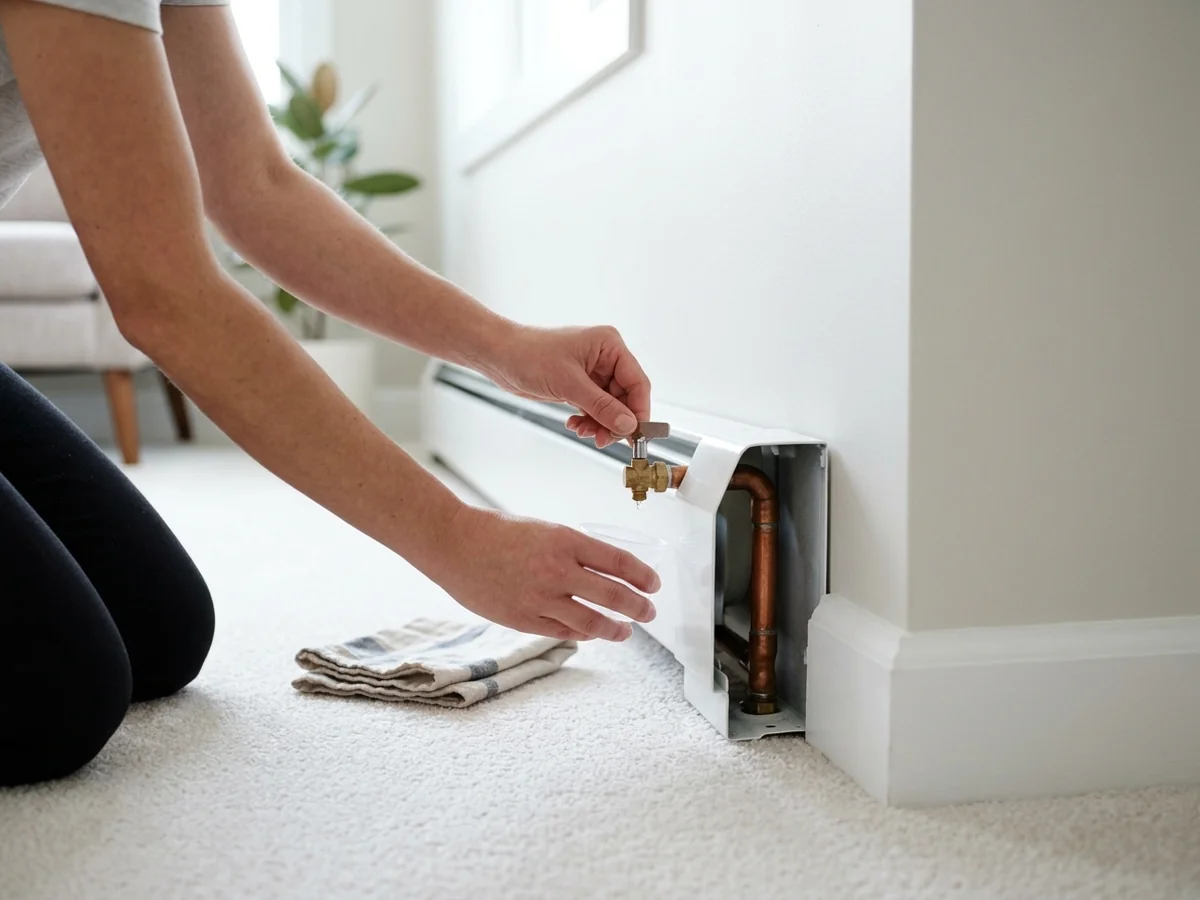
You can bleed air from hydronic baseboard loops to stop that annoying sloshing sound in just a few minutes. Restoring your home’s warmth is simple when you follow this clear process. Always wait until the baseboard heaters are cool to the touch to prevent burns from hot water.
First, find the bleeder valve on the end of your heating unit. You might need to remove a metal end cap to see it clearly. Place a small bucket and a thick rag directly underneath the valve. This catches any stray drips and protects your floors from water damage.
Second, use your radiator key or a flathead screwdriver to turn the valve slowly. You only need to turn it a quarter turn to the left. You will hear a hissing sound as the trapped air escapes the pipes. Keep the valve open until you see a steady stream of water flowing into your bucket. This confirms that all the trapped air is gone. Close the valve tightly once the water flow is consistent.
Third, check your boiler pressure gauge to ensure the system remains balanced. Most residential hydronic systems should sit between 12 and 15 PSI when cold. If the gauge shows a drop below 10 PSI, your system might need more water. You can add more water using the fill valve near the boiler, but do not exceed 20 PSI to avoid lifting the pressure relief valve. If the gurgling noise persists after you finish, check your circulator pump or air scoop for signs of a deeper block.
Following these steps will help you remove air from your hydronic heating system effectively. You will notice quieter pipes and more even heat distribution throughout your home. If you still feel cold spots after trying this three times, you may have a stubborn air lock that requires a professional plumber to purge the zone valve. Taking care of this maintenance now keeps your home comfortable all winter long.
Trusted Heating Expertise
You need reliable advice when your pipes sound like a rushing river. Our guides come from veteran heating technicians who work on closed loop heating systems daily. We know exactly how trapped air affects your comfort and your energy bill. We help you fix those annoying gurgling sounds with confidence and precision.
We believe your home safety comes first. While we provide clear steps to bleed air from hydronic baseboard loops, we also identify the warning signs that require a pro. You should never attempt a repair if your boiler pressure gauge shows a reading below 12 PSI or if you see signs of active leaks near your zone valves. We tell you exactly when to stop and call for help to prevent costly damage to your boiler or circulator pump.
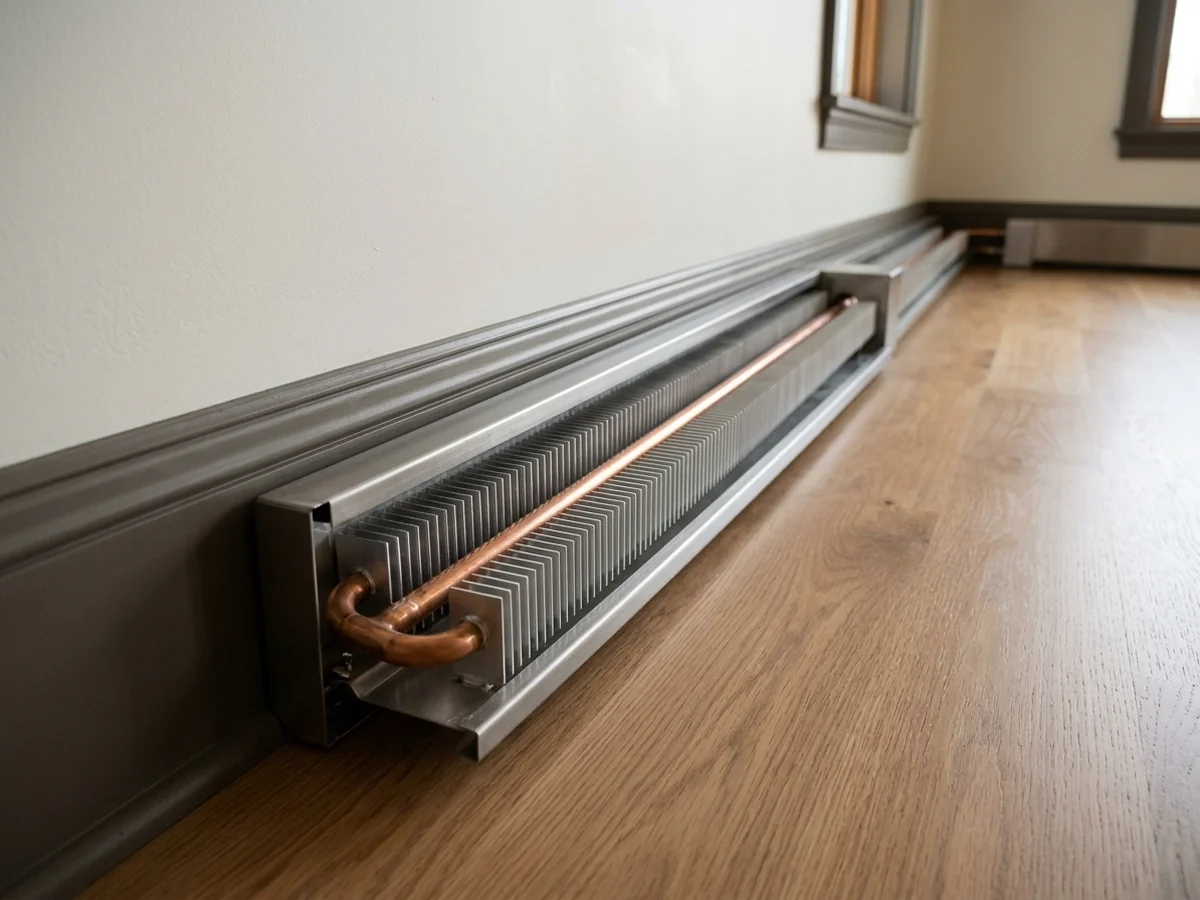
Our approach simplifies complex plumbing diagnostics into easy tasks. We explain how to locate your bleeder valve behind the cover and how to use a standard radiator key or screwdriver without stripping the metal. You will learn the difference between minor air pockets and a serious boiler zone air lock. We focus on these details to help you restore heat efficiency quickly.
- Technician-verified methods for every step.
- Clear safety triggers to protect your equipment.
- Specific instructions to stop gurgling noises for good.
Stop guessing how to remove air from your hydronic heating system. We provide the technical insight you need to manage your system like a pro. Whether you are dealing with a simple air lock or a stubborn zone that stays cold, our instructions keep you on the right track. We prioritize your peace of mind by clearly defining the limits of DIY maintenance. Rely on our expertise to keep your home warm and quiet all winter long.
FAQ
Is it safe to bleed while the boiler is running?
You should always shut off the boiler and wait for the water to cool before you bleed air from hydronic baseboard loops. Working on a hot system risks severe burns from pressurized, boiling water. Turning off the circulator pump also keeps air bubbles in place so they don’t move while you work.
What if my unit has no bleeder valve?
If you cannot find a bleeder valve behind the cover, your system likely uses an air scoop or an automatic air vent located near the boiler. You might need to purge air from the entire loop using the drain spigot instead of individual radiators. Check your return line for a dedicated purge valve designed for this specific task.
What is normal water pressure after bleeding?
After you finish, check the boiler pressure gauge to ensure it reads between 12 and 15 PSI. Most residential systems require this range to maintain heat delivery without triggering the pressure relief valve. If the gauge shows lower than 12 PSI, your system needs more water to function correctly.
When should I hire a professional plumber?
Call a pro if you hear loud banging or water hammer noises that persist after you attempt to remove air. You should also stop if the boiler pressure gauge drops to zero or if you suspect a faulty zone valve. Complex issues like a failed expansion tank or recurring air locks often require specialized diagnostic tools to fix permanently.
Will this stop the gurgling noise?
Bleeding the lines usually stops the sloshing sound caused by trapped air bubbles blocking water flow. These pockets of air prevent hot water from reaching the full length of your baseboards, which ruins your heating efficiency. Once you clear the air, the water will circulate silently and your home will warm up much faster. Investing in a quality radiator key or a flathead screwdriver will make this routine maintenance task much easier to manage.
Restore Quiet Heat Now
You can bleed air from hydronic baseboard loops right now to end those distracting sloshing sounds. Your home deserves steady heat without the constant gurgling from your pipes. This simple process clears trapped gas that stops your boiler from heating rooms properly.
Following this guide is risk free and helps your heater run smoothly all winter. You do not need to be a plumber to fix this. Most homeowners complete this task in under 30 minutes with a single radiator key or a standard flathead screwdriver.
Why wait while your heating system struggles against an air lock? Removing these bubbles increases your overall efficiency and saves money on your monthly energy bill. You will notice a difference the moment the water flows steadily without spitting air.
- Stop the annoying gurgling noise today.
- Ensure every zone heats evenly throughout your house.
- Avoid paying expensive service fees for a simple fix.
- Keep your system pressure within the ideal range of 12 to 15 psi.
Getting your system back to peak performance is a straightforward DIY project. You just need a bucket to catch any drips and a rag to keep your floors dry. We designed these steps to be clear and safe for your specific home setup. You will feel confident identifying your bleeder valve and purging the lines on your own.
Do not let cold spots dictate your comfort this season. Taking action now protects your pump from working harder than it should. You can restore quiet heat in just a few simple moves.
Start your maintenance today to stop the noise and get your home back to a comfortable temperature. Our guide is designed to keep your heating system running smoothly all winter long. Click here to download your free troubleshooting guide and start the process now.
For another perspective, this detailed piece on Can’t bleed air from hot water hydronic baseboard system is worth a read.
You might also like: What Happens If Furniture Blocks the Convection Airflow of Baseboard H