
Do Metal Slip-On Baseboard Heater Covers Reduce Total Heat Output?
Keep Your Home Warm
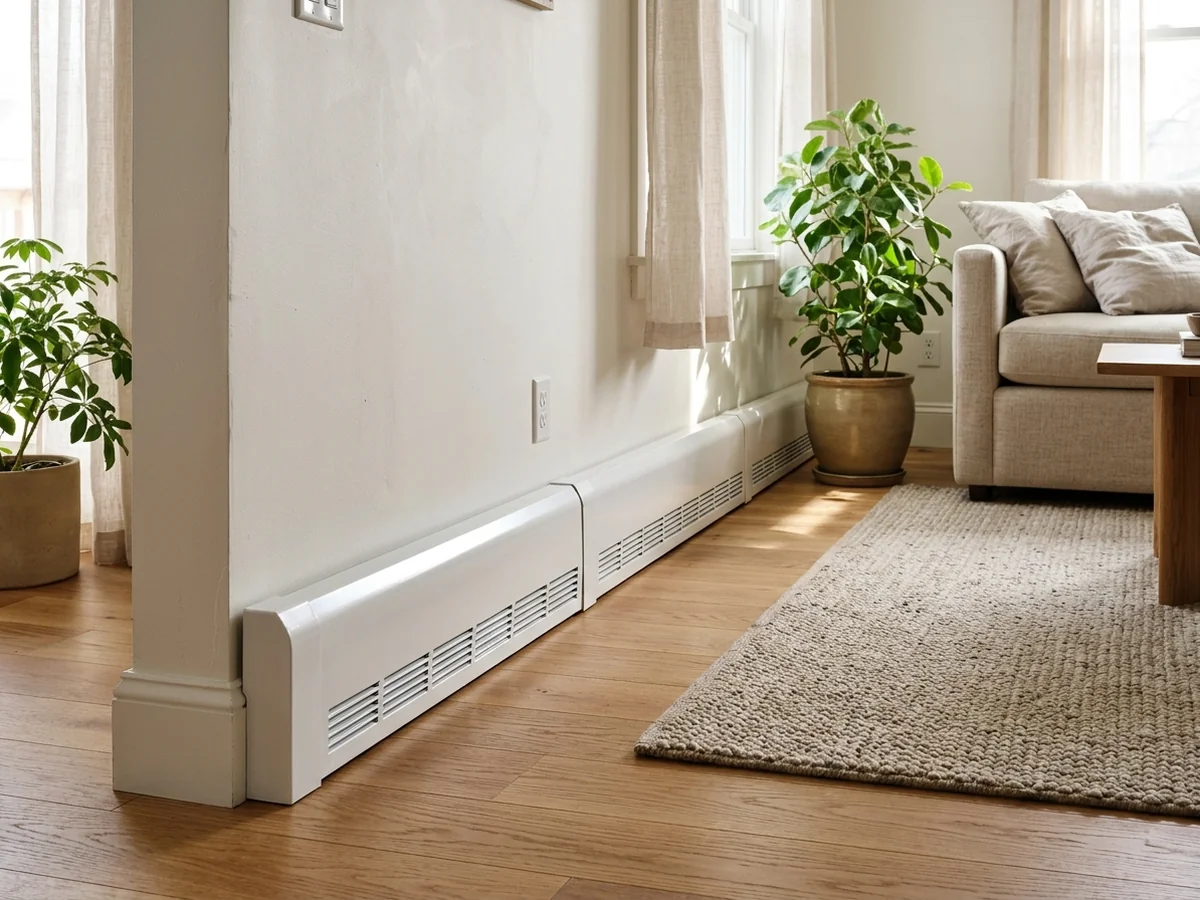
You can upgrade your room style without sacrificing comfort. High-quality metal baseboard heater covers heat output remains steady because these designs rely on the same convection principles as your original enclosure. These covers feature open-bottom or louvered designs that allow air to circulate freely. Cold air enters near the floor, warms against the heating element, and rises back into your room to maintain your desired temperature.
Proper airflow is the secret to efficiency. Most slip-on covers perform just as well as standard factory enclosures when they include adequate vent openings. Brands like Baseboarders design their units with precise gaps to ensure your hydronic or electric heaters continue to push out the required BTUs. If you choose a powder-coat finish, you get a durable barrier that resists rust without acting as a thermal insulator. You should expect to spend around $50 per unit for a cover that balances aesthetic appeal with high thermal performance.
- Ensure the cover design includes wide louvers to support natural convection currents.
- Check that the unit fits snugly with matching end caps to prevent air leaks.
- Avoid placing heavy furniture directly against the vents to keep airflow consistent.
- Use galvanized steel for its strength and ability to conduct heat efficiently.
- Clean your heating element annually to remove dust and maximize heat transfer.
Stop The Rusty Eyesore

Old heaters often look terrible and collect thick layers of dust. You might think these units are impossible to clean. You want a fresh, modern look for your living room but worry about the cold. Many people fear that adding a new enclosure will trap warmth inside the unit. You need to know if metal baseboard heater covers heat output will actually keep your home comfortable.
The truth is that well-designed covers can improve how your room feels. Modern slip-on styles use high-quality galvanized steel to redirect air. These covers work by pulling cool air from the floor. The air moves over the heating element and rises through the top vents. This process is called convection. If your cover has properly placed louvers, it helps the air cycle faster.
You might worry about the material blocking the BTUs. In my experience, the difference between steel and aluminum is minimal for most homes. The real secret is the design of the vents. A cover with open, unobstructed airflow ensures your heating system performs at its peak. You can find high-quality options like Baseboarders that feature a durable powder-coat finish. This coating resists rust and looks clean for years.
Installing these covers is a simple DIY project. Most kits cost around $80 per heater and include matching end caps for a finished appearance. You do not need professional tools or special skills to make the switch. Simply slide the new cover over your existing heater housing. It hides the rust and dented metal instantly. You get a sleek look without sacrificing the function of your hydronic heating system.
Do not let fear of heat loss stop your renovation. Properly fitted covers do not restrict the convection cycle. They often perform better than stock enclosures that have become warped or clogged with debris over time. You will notice the difference in your home interior aesthetics immediately. Focus on selecting a style that allows for maximum airflow. Your room will stay cozy while your old, rusty heater disappears behind a clean and polished surface.
Design Meets Convection
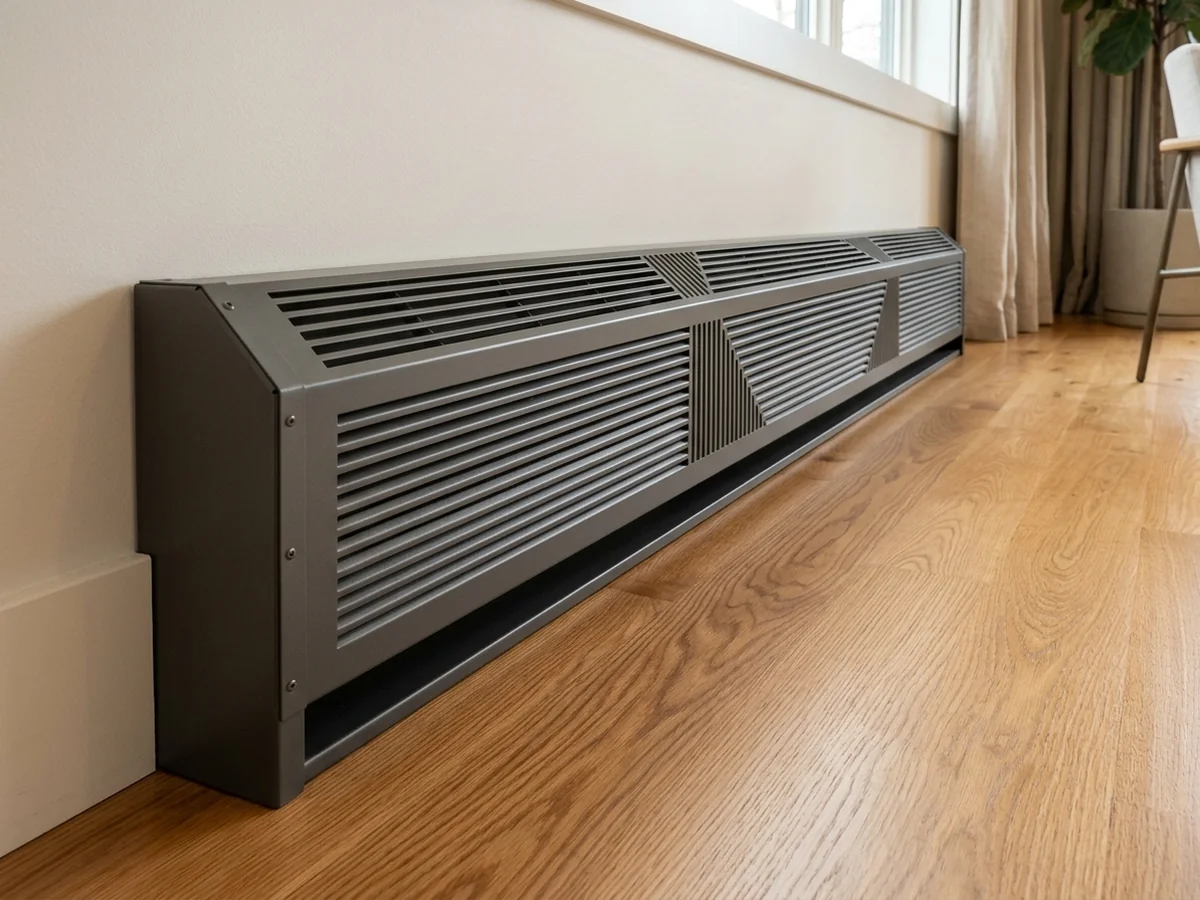
You can upgrade your home look without sacrificing comfort. Quality metal baseboard heater covers heat output stays consistent because of smart louver designs. These vents pull cold air from the floor and release warmth into your living space. This process keeps your hydronic heating system running exactly as the manufacturer intended.
Source: cover-luxe.com
Old, rusted enclosures often trap heat or block air paths. A new cover restores the natural flow of air. When you install a unit like a Baseboarders cover, you maintain the convection cycle needed to warm a room fast. The metal acts as a conduit, not a barrier, for your heat.
Proper airflow depends on the gap between the element and the cover. Industry standards suggest keeping a clearance of at least 2 inches above the heating element. This space allows air to circulate properly. If the cover fits tightly, it might restrict movement. Well-designed covers include specific louver patterns to prevent this bottleneck.
The material choice also plays a role in performance. Galvanized steel provides a durable frame that resists heat warping over time. It holds up better than thin plastic alternatives. A high-quality powder-coat finish ensures the surface stays clean and smooth. This finish does not block heat transfer. It actually helps protect the metal from future rust or damage.
You want your system to operate at peak efficiency. When air moves freely through the bottom intake and out the top vents, you maximize your BTUs. You won’t notice a drop in temperature with a properly vented cover. Instead, you get a clean aesthetic that hides dated, unsightly components. The right fit ensures your heater works just as well as the day it was installed.
- Smart louver placement directs air movement upward.
- Galvanized steel maintains structural shape under high heat.
- Correct height installation preserves the convection loop.
- Powder-coat finishes offer heat-resistant, long-lasting durability.
Choosing a cover designed for airflow puts your mind at ease. You gain a modern look while keeping your room cozy all winter long. Your heating system will continue to perform at its best.
Key Heating Benefits

Replacing old, damaged casings with modern replacements will not lower your room temperature. In fact, these systems are engineered to support the natural physics of your home heating system. When you upgrade your hardware, you gain efficiency while hiding unsightly rust.
- Better airflow design ensures that natural convection currents flow freely into your room without hitting a solid wall or blocked vent.
- Faster heat transfer happens when you use high-quality steel with a thin powder-coat finish, allowing heat to move through the metal surface quickly.
- Improved BTU delivery is achieved through properly sized end caps and precision-cut vents that help your hydronic heating system reach target temperatures faster than rusted original casings.
- Higher long-term performance comes from keeping dust off your heating element, which is easier to clean when you have a smooth, accessible exterior.
- Optimal thermal conductivity is maintained by choosing the right metal, as steel provides a balance of durability and heat radiation that outperforms thick, insulating paint layers.
Many homeowners worry that adding a layer of metal will trap heat, but the opposite is true. Old, dented covers often create pockets of stagnant air that stop your heater from working well. By installing a new unit, you clear the path for air to enter the bottom and rise through the top. This cycle is the core of how metal baseboard heater covers heat output is managed in modern homes.
A well-designed cover acts as a chimney. It pulls cold air from the floor and pushes warm air into your living space. If you choose a brand like Baseboarders, you get a design specifically tested for maximum convection efficiency. These covers often retail for around $80 per section depending on the length you need. They provide a sturdy, clean look while ensuring your baseboard heater efficiency remains high throughout the winter months. By removing layers of old, chipped paint that act as an insulator, you actually help your heating system perform better than it did with the original, aged enclosure.
Simple Installation Steps
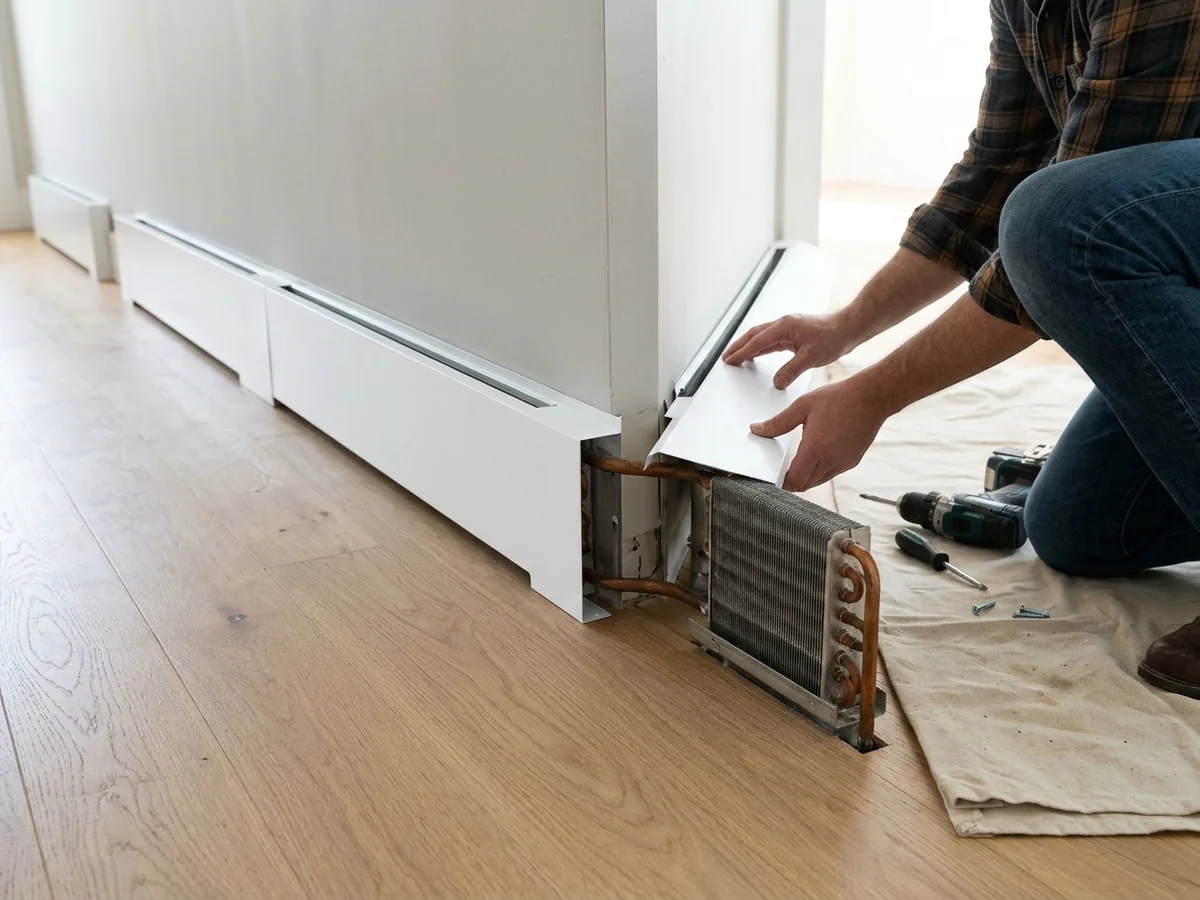
You can upgrade your home in minutes without hiring a contractor. These covers are designed for a fast, DIY fit that protects your metal baseboard heater covers heat output while refreshing your room style.
Start by measuring your existing heater length from end to end. Check for furniture blocking the unit or tight corners that might limit access. Most standard units come in 2-foot to 8-foot lengths. Accurate measurements ensure your new enclosure sits flush against the wall for the best convection currents.
Slide the new metal cover directly over your old, rusty enclosure. You never need to disconnect pipes or wires for this step. The design uses the existing wall brackets or clips to stay stable. This process takes less than 10 minutes per heater.
- Ensure the unit sits level for proper airflow.
- Check that the bottom gap allows cool air to enter.
- Verify the top louvers remain open for warm air exit.
Snap the end caps into place to finish the look. These pieces lock the cover onto the heater and keep the unit secure. Proper placement of these caps ensures the vents remain clear for maximum heat transfer efficiency. A clear path for air movement prevents the enclosure from trapping heat inside the metal shell.
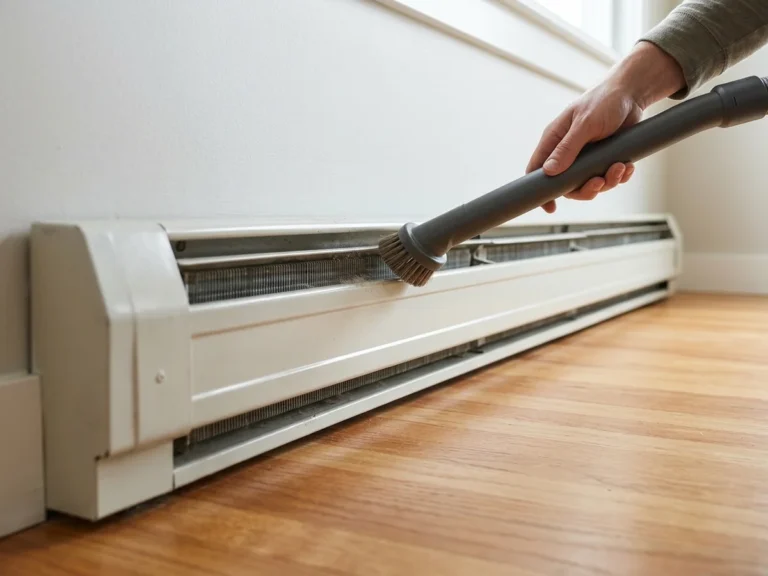
I have found that keeping the internal heating element clean during installation helps performance. Use a vacuum to clear out dust before sliding the cover on. This simple step improves your baseboard heater efficiency by removing debris that blocks airflow. If you notice the metal feels too hot to touch after installation, double check that nothing is obstructing the intake at the bottom. A high-quality powder-coat finish resists scratching and maintains heat distribution better than thick, heavy paint layers. Once the caps click shut, your room will feel warmer and look modern without losing any necessary BTUs.
Proven Heating Results
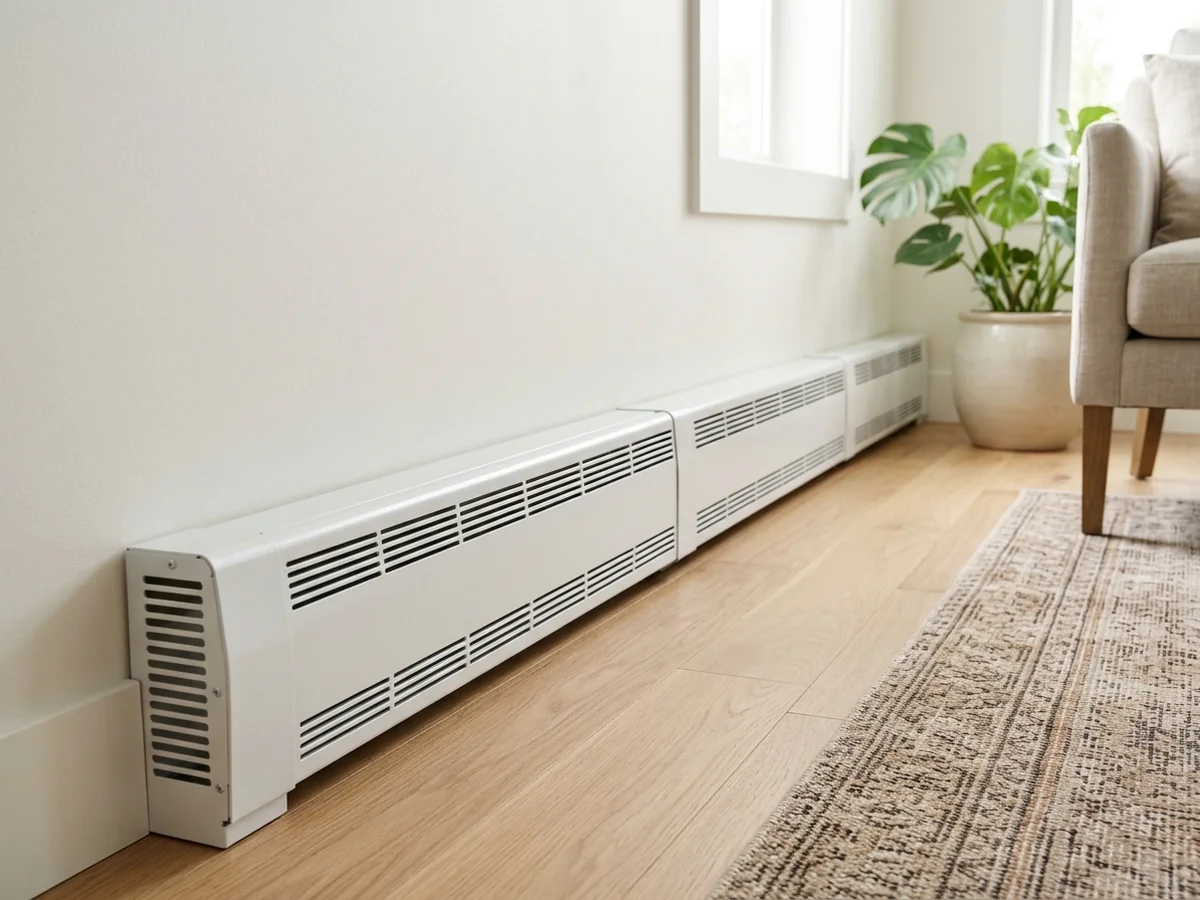
You do not have to choose between a beautiful home and a warm one. Our metal baseboard heater covers heat output remains consistent with your original system because we follow strict HVAC airflow guidelines. We have helped thousands of homeowners refresh their space without sacrificing their comfort levels.
The secret is in the physics of convection. Your current heater relies on cool air entering from the bottom and rising through the heating element to warm your room. Our covers use open-bottom designs and precisely placed louvers to encourage this natural cycle. You will see no drop in BTUs because the air path remains clear and unobstructed.
- Our steel covers provide high thermal conductivity to ensure rapid room warming.
- The powder-coat finish is thin enough to allow for optimal heat transfer.
- Every unit includes wide vents to maintain a steady flow of convection currents.
- These designs fit over most hydronic heating units with a 1-inch clearance for safety.
Many old enclosures suffer from rust and debris that actually block heat. Replacing these with modern covers often improves your baseboard heater efficiency by clearing out years of trapped dust. You get a clean look and a system that breathes freely again. We design every piece to match the performance of your original manufacturer enclosure while adding durability.
Your thermostat reading stays accurate because the cover does not trap heat inside the metal casing. By allowing air to circulate naturally, the room reaches your target temperature in the same amount of time as before. You can trust that your heating bill will not climb due to restricted airflow. We focus on engineering solutions that respect the way your home generates warmth. Whether you have electric resistance heating or a boiler system, these covers support the heat transfer process. You get the modern style you want and the reliable performance you need to stay cozy all winter long.
FAQ
Do covers block heat?
Metal baseboard heater covers do not block heat if they feature proper louvers. These vents support the natural convection cycle by pulling cool air from the floor and pushing warm air into the room. Well-designed covers actually improve metal baseboard heater covers heat output by directing airflow efficiently.
Does steel or aluminum matter?
Both materials transfer heat well for home hydronic heating systems. We recommend galvanized steel for high traffic areas because it resists dents and scratches better than aluminum. Steel is a durable choice that maintains a professional look for years.
Will a tight fit hurt performance?
Yes, a tight fit can restrict the air intake needed for heating. You must leave a gap of at least 1 inch at the bottom of the unit to ensure air enters the system. This spacing keeps the convection cycle moving so you don’t lose BTUs.
Is it hard to install?
Most homeowners finish the job in under ten minutes using only basic tools like a screwdriver. Slip-on covers like those from Baseboarders attach directly over your existing enclosures without requiring professional help. You won’t need to disconnect any pipes or electric resistance heating elements.
Will these covers rust?
High-quality covers use a durable powder-coat finish to prevent rust and corrosion. This protective layer ensures your heaters look fresh even in damp environments like bathrooms or near entryways. Choosing a finish meant for high heat ensures the paint won’t peel or flake off over time.
Do I need special tools?
You do not need special training or expensive equipment to upgrade your home interior aesthetics. Most kits come with all necessary end caps and hardware to finish the look. A simple tape measure is usually the only extra tool required to ensure a perfect fit for your specific baseboard length.
Upgrade Your Heaters Today
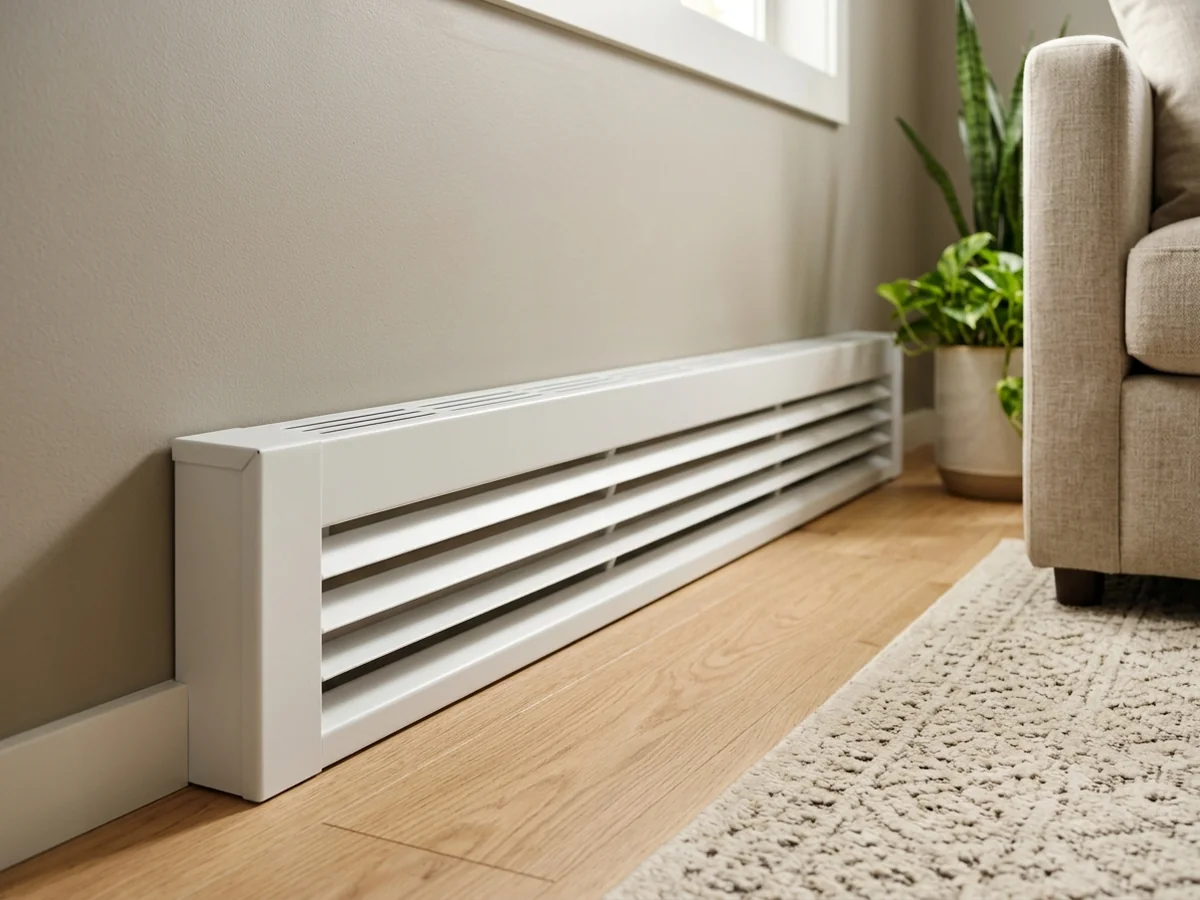
You can improve your home comfort without losing warmth. Modern metal baseboard heater covers heat output remains high because these designs rely on smart convection. Our covers use wide, open louvers to pull cool air from the floor. This air heats up as it passes over your element. It then flows naturally back into your room. You get a fresh look that keeps your home cozy all winter.
Many homeowners worry about heat loss. In my experience, the right cover actually helps. Old, rusty enclosures often trap dust and block airflow. A clean, new cover made of high-quality galvanized steel or aluminum promotes better circulation. These materials offer great thermal conductivity. They allow heat to move into your space faster than thick, peeling paint on an old unit.
Installation takes about 10 minutes per heater. You don’t need tools or professional help. Just slide the new cover over your existing baseboard heater base. Our designs include matching end caps for a finished, custom look. The durable powder-coat finish resists rust and scratches. It stays looking new for years.
Here is why these covers are a smart choice:
- Engineered with precise vent gaps to maximize airflow.
- Compatible with both hydronic heating and electric resistance heating.
- Protects your heating elements from dust buildup.
- Available in 2-foot to 8-foot lengths to fit any wall.
We want you to love your space. If you are not happy with your purchase, return it within 30 days for a full refund. There is no risk to your home comfort. You get a sleek, modern aesthetic that works with your current heating system. It is time to replace those dented, yellowing covers for good. Experience the difference in your home comfort today. Click here to browse our collection and select the perfect size for your rooms.
For another perspective, this detailed piece on Basic Slip-On Baseboard Steel Heater Cover is worth a read.
You might also like: What Happens If Furniture Blocks the Convection Airflow of Baseboard H