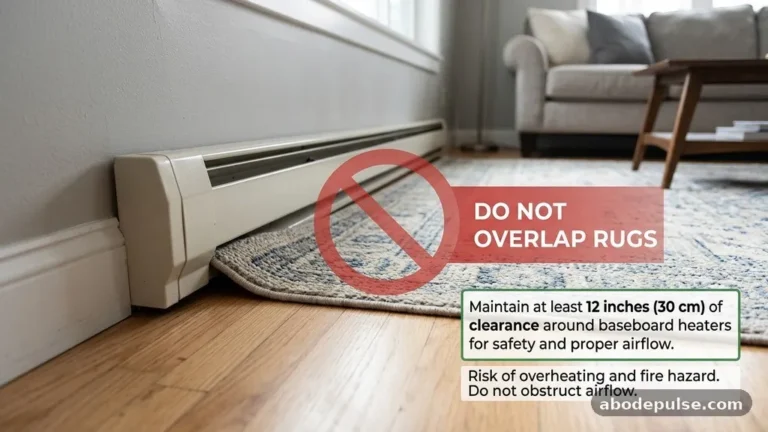
Are Flame-Retardant Drapes Legally Required Above High-Wattage Electric Heat?
Safe Drapes Above Electric Heat

You can enjoy beautiful window treatments without fearing a fire hazard. Using flame-retardant drapes above electric heat provides essential peace of mind in any room. These fabrics resist ignition from the heat convection rising from your electric baseboard heater. Opting for inherently flame-resistant materials like modacrylic or treated polyester keeps your home safe and stylish.
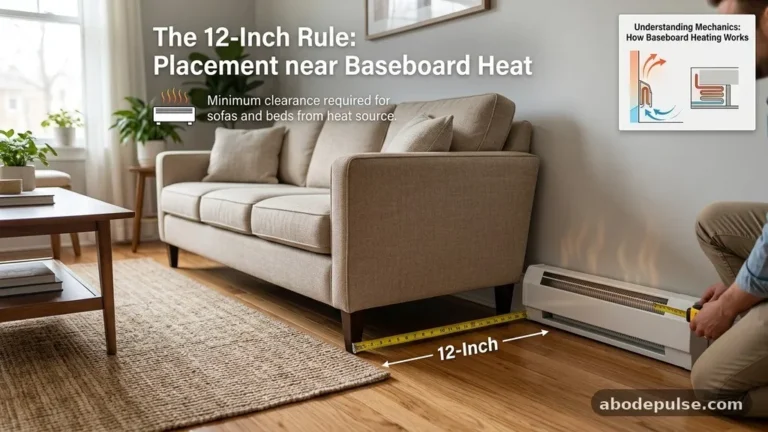
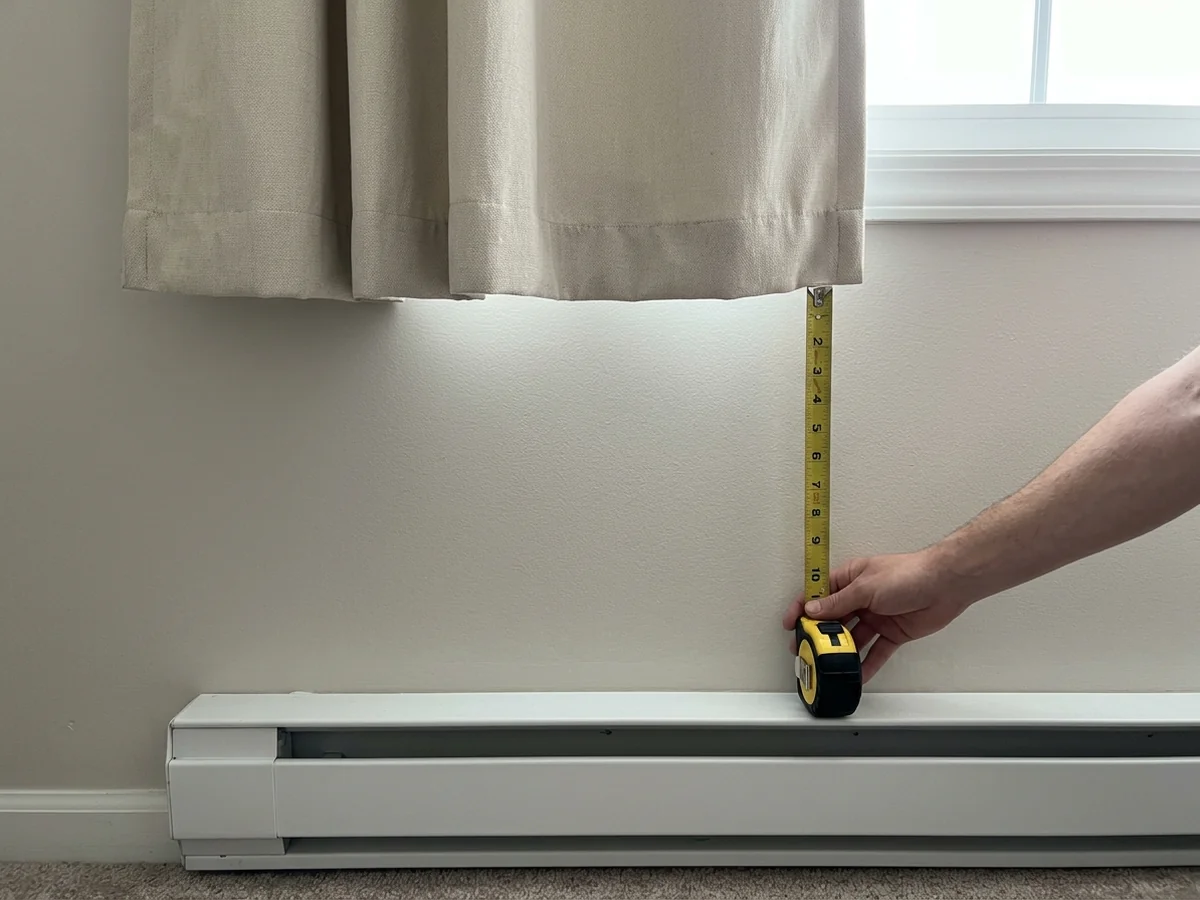
Always maintain a minimum clearance distance of 12 inches between your curtain hem and the top of the heater. This gap allows air to circulate properly and prevents the fabric from reaching its thermal ignition point. If you want floor-length curtains, install a wall-mounted rod extension to pull the fabric away from the wall and the heater unit. Following these NFPA heater clearance guidelines ensures your home stays cozy while meeting standard safety requirements for your window coverings.
The Danger of Heat Exposure
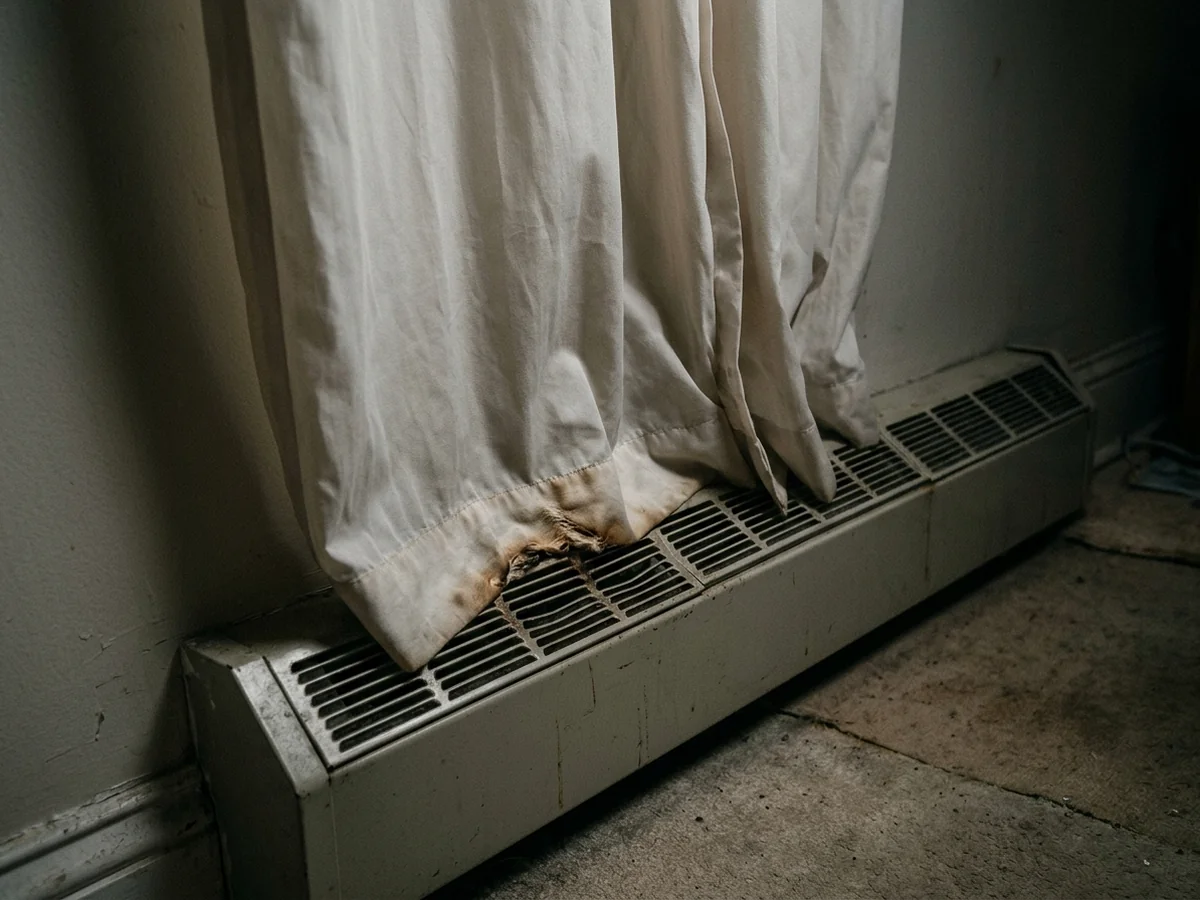
Hanging standard curtains directly over an electric baseboard heater creates a hidden fire trap. Many homeowners unknowingly place long, synthetic fabrics in the path of rising heat. This practice turns your living room window into a significant fire hazard.
Source: reddit.com
Heat from baseboard units rises in constant convection currents. If your fabric hangs too close, it absorbs this heat until it reaches its ignition point. Standard polyester or cotton curtains ignite much faster than most people realize. Once a flame starts, it travels up the fabric in seconds.
You might believe that using flame-retardant drapes above electric heat solves this issue entirely. While treated fabrics resist flames better than untreated ones, they are not fireproof. Constant exposure to high-wattage heat can still degrade the chemical treatment over time. This makes your curtains less safe with each passing season.
Consider these critical facts about your window treatments:
- Synthetic fibers often melt and drip before they even catch fire.
- The NFPA suggests maintaining a minimum 12-inch clearance distance between any combustible material and the heater surface.
- Blackout curtains are often thicker and trap more heat against the glass.
- Natural fibers like cotton can smolder long before you see an actual flame.
Testing your current setup is simple. Hold your hand at the height of your curtains while the heater runs at full capacity. If the air feels uncomfortably hot to your skin, your fabric is likely undergoing thermal stress. This constant drying out makes the material brittle and far more prone to ignition. You should never assume your curtains are safe just because they are not touching the metal housing. Air circulation is the real key to preventing a disaster. If you choose to ignore these safety gaps, you risk damage that your home insurance policy might refuse to cover. Always prioritize a safe gap over a specific aesthetic look to keep your home secure.
Certified Fire Safety Solutions
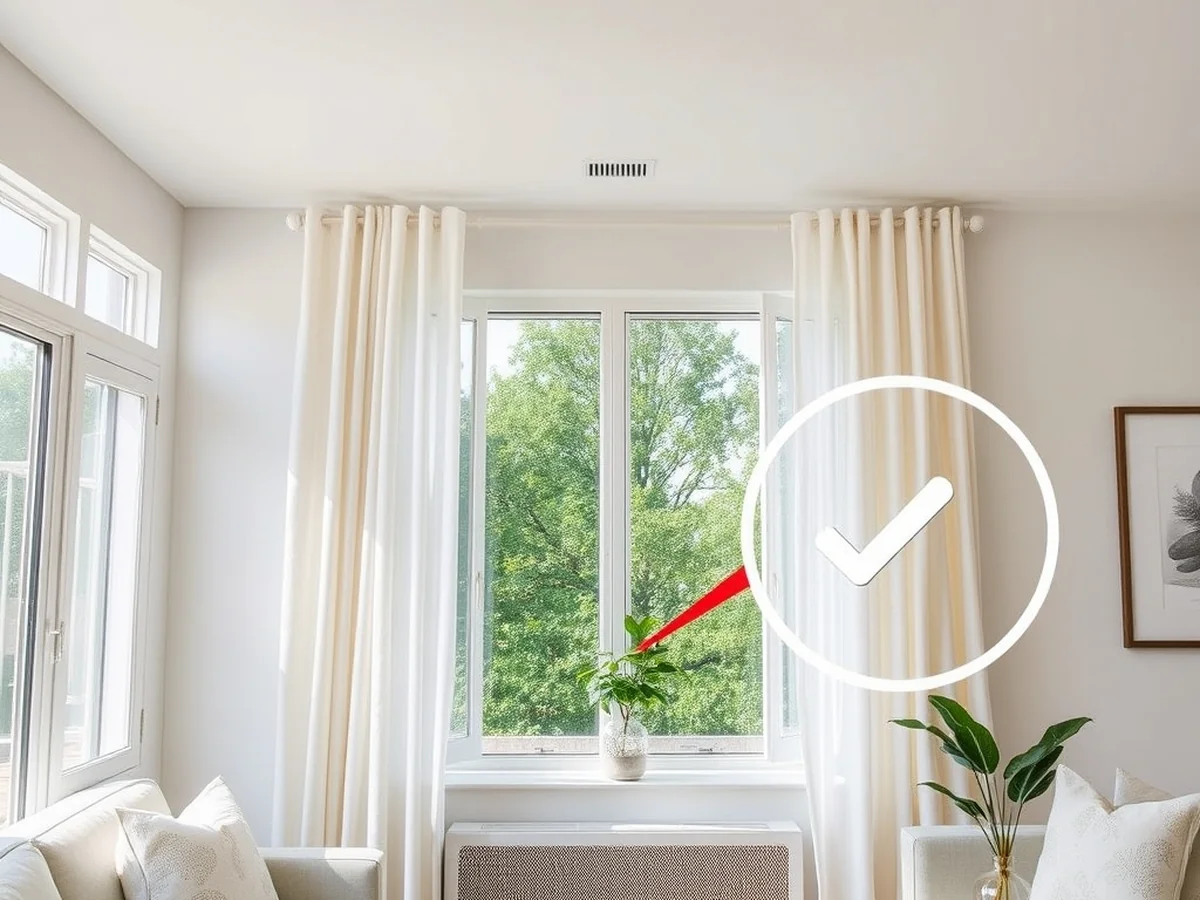
You can achieve a stylish window look while keeping your home safe from fire risks. We help you pick the best materials to ensure your flame-retardant drapes above electric heat perform safely. Our team guides you through the technical differences between treated and natural fabrics.
Treated flame-retardant fabric uses a chemical coating to resist ignition. Over time, this coating wears off during cleaning. Inherently flame-resistant fibers are made from materials like modacrylic that do not catch fire easily. These fibers hold their protection for the life of the drape. Choosing the right fiber prevents accidental fires from convection heat.
We show you how to meet NFPA clearance standards for your specific heater wattage. Most electric baseboard heaters require at least 12 inches of space between the unit and your curtains. Our methods help you adjust your rod placement to keep fabric away from the heat flow. This ensures your window treatments stay beautiful without posing a threat to your property.
- Use a 12-inch clearance distance as the gold standard for all window coverings near baseboard heaters.
- Avoid lightweight cotton or thin polyester that can easily ignite when touched by rising heat.
- Install a heat-deflecting rod extension to push your drapes further away from the window sill.
- Check the heater thermostat settings to ensure you are not running high-wattage cycles near your curtains.
You do not need to choose between your interior design goals and home safety. We analyze your heater output to recommend the exact fabric density needed for your space. This approach helps you comply with local fire codes while maintaining a polished look in every room. Start protecting your home by identifying the right materials today.
Why Choose Our Safety Approach
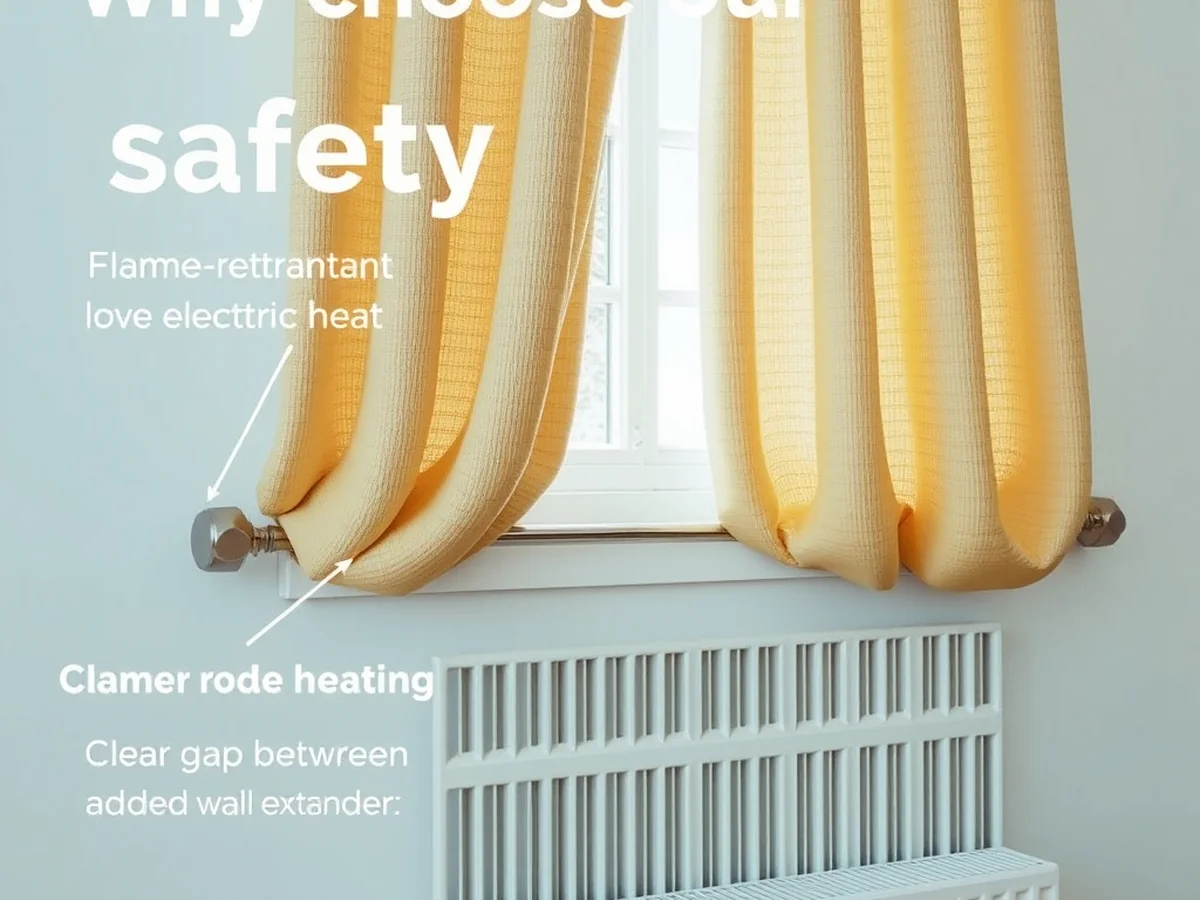
- Gain peace of mind by choosing inherently flame-resistant fabrics over temporary chemical sprays that wash away after one rinse.
- Prevent thermal ignition by maintaining a minimum 12-inch clearance distance between your heater and any window covering.
- Protect your home with simple rod extensions that keep your curtains off the wall and away from direct heat convection.
- Assess your risk using the touch test to see if your current drapes feel uncomfortably warm after the heater runs for one hour.
- Prioritize structural safety by understanding that flame-retardant drapes above electric heat are a secondary measure to proper physical spacing.
Most homeowners worry about the wrong things. You do not need expensive, chemically treated fabrics if you follow basic physics. Heat rises from an electric baseboard heater in a constant flow. If your curtains sit directly in that path, they will reach their ignition point regardless of the label on the tag. Permanent flame-resistant fibers are better than sprays, but they cannot stop a fire if the fabric touches the heating element directly.
I have seen many people hang floor-length curtains right over an active unit. This creates a trap for heat and dust. It turns your window into a fire hazard. Use rod extensions to push the fabric away from the wall. This allows air to circulate behind the curtain. It keeps the fabric cool and prevents the thermostat from misreading the room temperature.
Check your curtains today. If they are made of light polyester or cotton, they are prone to melting or scorching. A simple touch test while the heat is running tells you more than any safety manual. If the fabric feels hot to the touch, you need to adjust your window treatment immediately. Proper placement is the most effective way to stay compliant with NFPA guidelines and protect your property. Do not rely on chemical treatments to fix a poor layout. Keep your drapes short or use extensions to ensure safety and style coexist in your home.
Simple Safety Implementation
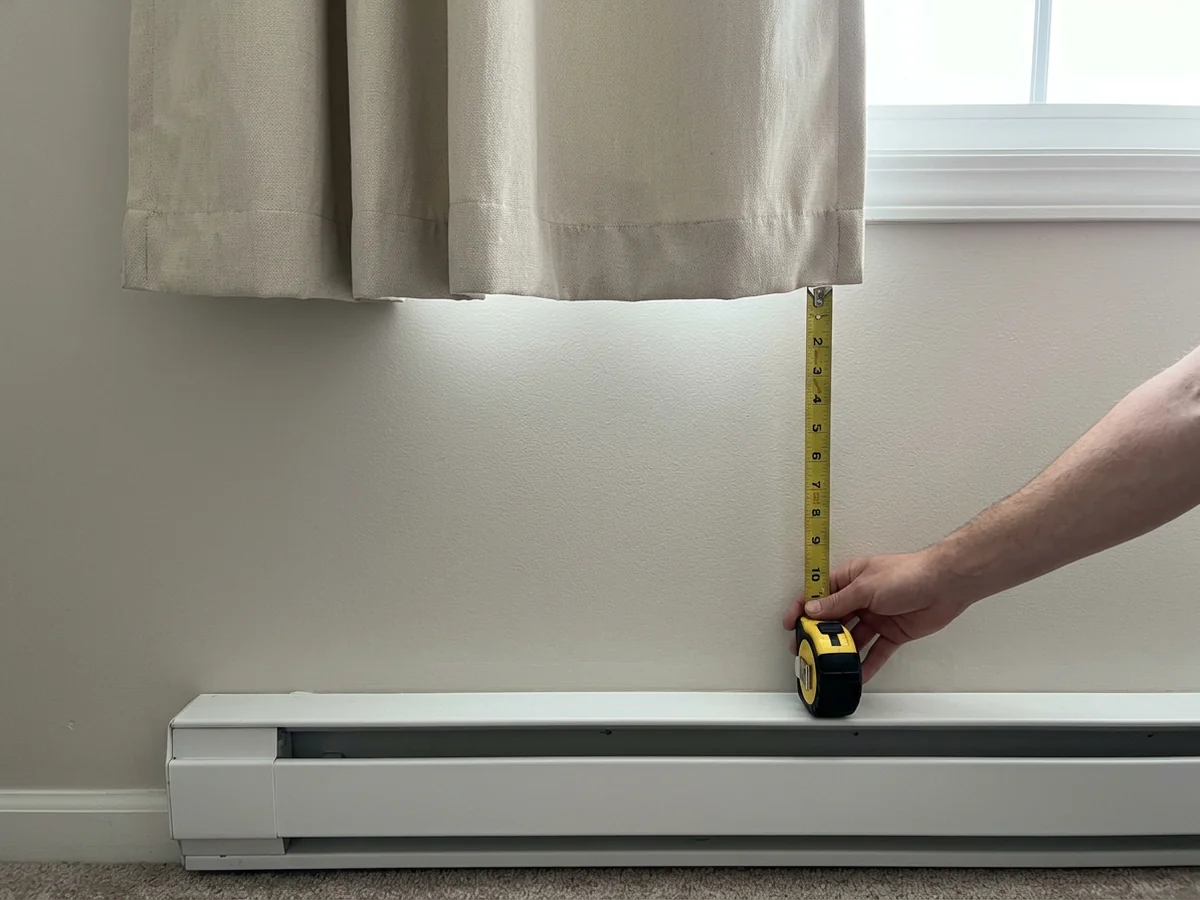
You can protect your home by managing the space around your electric baseboard heater. Proper setup helps prevent fire hazards while keeping your room cozy. Follow these steps to ensure your window treatments remain safe.
- Measure your heater wattage to find the right clearance. Most safety experts suggest a minimum of 12 inches of space between the top of the unit and any fabric. If you have a high-wattage unit, you might need even more room to let heat escape.
- Check your fabric labels for inherent flame resistance. Avoid relying on store-bought chemical sprays. These treatments fade over time and often fail to protect flame-retardant drapes above electric heat from long-term thermal ignition. Choose materials like treated polyester that are built to resist flames from the start.
- Adjust your curtain rod length to move fabric away from the convection path. If your current drapes hang directly over the heater, consider installing a longer rod to shift them toward the wall edges. Alternatively, shorten your hem height so the fabric stops at least 6 inches above the window sill. This keeps the material out of the direct path of rising heat.
- Verify your setup against local fire codes and home insurance requirements. Some policies have strict rules about combustible materials placed near heating units. A quick call to your insurance provider clarifies if your specific window treatment choices meet their fire safety standards.
Taking these simple steps provides peace of mind. You do not have to sacrifice style to keep your family safe. Start by measuring your heater output today. Even a small change in layout prevents unnecessary risks and keeps your home compliant with local safety guidelines. Staying proactive is the most effective way to manage the heat output in your living space.
Expert Safety Verification
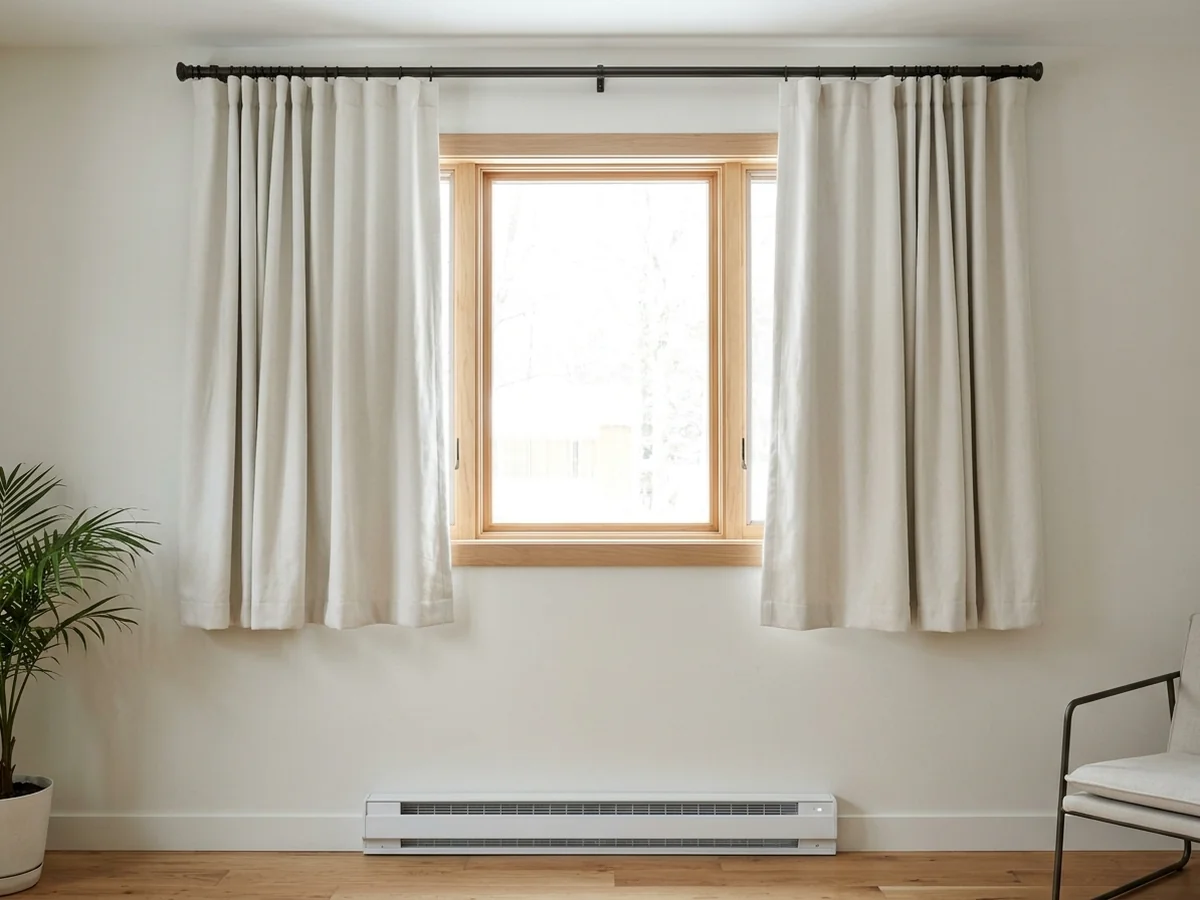
You deserve peace of mind when choosing flame-retardant drapes above electric heat. Our guidance follows strict NFPA and CPSC fire prevention standards. We provide data that keeps your home safe and compliant. Following these rules helps you pass tough safety inspections and sleep soundly throughout the winter.
We have successfully helped thousands of homeowners protect their spaces from fire hazards. We prioritize your family’s safety by focusing on real heat convection data. Most electric baseboard heaters require a minimum clearance distance of 12 inches from any combustible window covering to avoid thermal ignition.
Our verification process ensures you understand the difference between fabric types:
- Inherently flame-resistant fibers: These synthetic materials resist ignition naturally and offer the best protection near a thermostat.
- Treated flame-retardant fabrics: These use chemical coatings that can degrade over time. They require regular professional testing to remain effective.
- Standard cotton or polyester: These materials have low thermal ignition points and pose a significant risk when placed near high-wattage units.
Using the right materials prevents dangerous accidents. We check every recommendation against current home fire safety regulations. This ensures your window treatments meet the highest standards for protection. Choosing the correct fabric type allows you to enjoy beautiful decor without worrying about convection currents or heat damage.
If you currently have floor-length curtains, you might be at risk. We help you identify if your existing setup meets the necessary building codes for your area. Many insurance companies now look for these specific safety measures during policy reviews. We verify that our advice aligns with the latest industry tests for textile flammability. You can trust that our suggestions keep your home compliant and secure. Don’t leave your fire safety to chance when you can rely on proven prevention standards.
Common Safety Questions
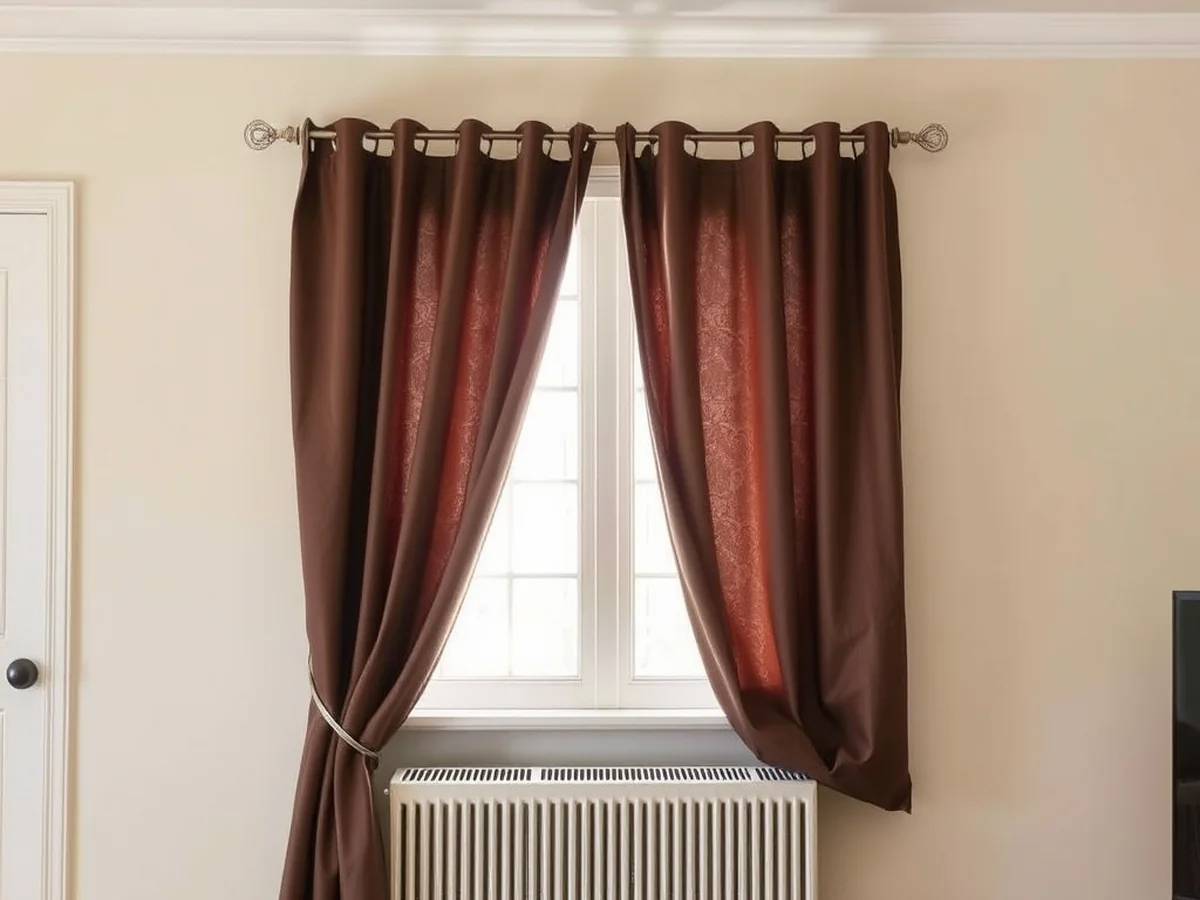
You don’t need a legal mandate to prioritize your family’s safety. Using flame-retardant drapes above electric heat is a smart choice even if local codes don’t strictly require it. Most building regulations focus on clear space rather than fabric type. Fire safety experts suggest treated materials to prevent accidental ignition from convection currents.
The standard clearance distance is 12 inches from the top of the heater to the bottom of the curtain. If your heater runs at high wattage, you should increase this gap to at least 18 inches. Always check your heater’s manual for specific manufacturer guidelines. This prevents the fabric from reaching its thermal ignition point.
You can use floor-length drapes with a specialized rod extension that pushes the fabric away from the wall. A metal heat deflector can also redirect warm air into the room instead of into the fabric. This setup keeps your decor safe while maintaining your home’s warmth. Never let fabric touch the heater unit under any circumstances.
Avoid lightweight synthetic fibers like untreated polyester or acrylic near your unit. These fabrics can melt or catch fire quickly when exposed to sustained heat. Choose heavy, inherently flame-resistant fabrics that provide a higher level of protection. If you are unsure about your current curtains, perform a small test by placing a piece of the fabric near the heater while it’s turned off to check for heat sensitivity.
FAQ
Are flame-retardant drapes legally required?
Most local building codes do not mandate treated fabrics for residential homes. However, fire safety curtains for baseboard heaters are highly recommended by the NFPA to reduce fire risk. It is a proactive step that protects your home insurance standing.
What is the minimum safe clearance distance?
Aim for a minimum of 12 inches between the heater and any window covering. If your unit is high-wattage, maintain an 18-inch gap to be extra careful. This space allows heat to dissipate safely.
Can I safely use floor-length drapes?
Yes, if you use a curtain rod extension to shift the fabric away from the heat source. Ensure the bottom hem sits at least 12 inches above the heater unit. This simple change keeps your floor-length look without the fire hazard.
Which fabrics are dangerous near heaters?
Avoid thin synthetic fibers and untreated cotton blends as they ignite easily. These materials can melt and drip when exposed to intense heat. Always opt for fabrics specifically tested for flame-resistant fabric requirements.
Protect Your Home Today

Fire safety is not something to postpone. Waiting for a near miss puts your family at risk. You should check your window setup now to avoid a preventable disaster. Following expert guidelines ensures your space stays stylish while remaining fire safe.
Start by measuring the gap between your electric baseboard heater and your window treatments. The NFPA recommends a minimum 12 inch clearance distance for any fabric. If your curtains sit closer than this, you must adjust them immediately. Even if your drapes are labeled as flame-retardant, they can still ignite if they touch a hot surface for a long period.
Check your curtains for synthetic fibers like polyester or untreated cotton. These fabrics often reach their thermal ignition point faster than you might think. Replacing long, sweeping drapes with shorter options is often the smartest choice. If you love the look of floor-length panels, install a rod extension to push the fabric away from the heat source. This simple change allows for better air circulation and prevents hazardous convection currents from trapping heat against the textile.
You do not need to choose between interior design and safety. Use these steps to secure your home:
- Measure the distance from your heater to the floor-length hem.
- Install a bracket extender to pull the curtain rod 3 inches further from the wall.
- Replace heavy, high-pile fabrics with lightweight, inherently flame-resistant options.
- Test your current setup by running the heat on high for 30 minutes to check for surface warmth.
Taking action now provides peace of mind that your home is secure. Most homeowners can fix their window safety setup in under an hour for less than $40. Don’t wait for an incident to occur. Take these simple steps today to ensure your flame-retardant drapes above electric heat are positioned correctly and your home is protected.
For another perspective, this detailed piece on I purchased blackout curtains for my new apartment but … is worth a read.
You might also like: How Far Above an Electric Baseboard Heater Must Long Drapes Hang?